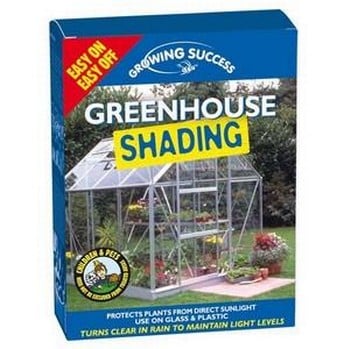
Shade Paint for Greenhouse: Protecting Plants with Style
Introduction
In the realm of horticulture, greenhouses play a pivotal role in nurturing plants, providing them with optimal conditions for growth and protection from harsh outdoor elements. However, excessive sunlight can pose a significant threat to delicate plant life, leading to sunburn, wilting, and stunted growth. To mitigate these adverse effects, shade paint emerges as an indispensable tool for greenhouse owners, offering a stylish and effective solution to regulate light intensity and maintain a thriving indoor environment.
Benefits of Shade Paint
- Protection from Sunburn: Shade paint acts as a protective barrier, shielding plants from harmful UV rays that can cause sunburn and damage foliage.
- Temperature Regulation: By reducing the amount of sunlight entering the greenhouse, shade paint helps maintain a cooler temperature, preventing overheating and ensuring optimal growing conditions.
- Improved Plant Health: Controlled light exposure promotes healthy plant growth, reducing the risk of stress, disease, and pest infestations.
- Enhanced Aesthetics: Shade paint not only protects plants but also enhances the overall appearance of the greenhouse, adding a touch of color and style to the indoor space.
Types of Shade Paint
Various types of shade paint are available, each with unique properties and applications:
- Liquid Shade Paint: Applied directly to the greenhouse glazing, liquid shade paint provides a durable and long-lasting finish.
- Powdered Shade Paint: Mixed with water before application, powdered shade paint offers a more economical option and can be easily removed when necessary.
- Reflective Shade Paint: Designed to reflect sunlight away from the greenhouse, reflective shade paint effectively reduces heat buildup and glare.
- Diffused Shade Paint: Diffuses sunlight, creating a more evenly distributed light environment that benefits plants with varying light requirements.
Application Considerations
When applying shade paint, several factors should be taken into account:
- Light Transmission: Determine the desired amount of light transmission for the specific plant species being grown.
- Greenhouse Glazing: Consider the type of glazing material (e.g., glass, polycarbonate) and its compatibility with the chosen shade paint.
- Application Method: Follow the manufacturer’s instructions carefully to ensure proper application and adhesion.
- Maintenance: Shade paint may require periodic cleaning or reapplication to maintain its effectiveness over time.
Recommended Shade Paint Products
To assist greenhouse owners in selecting the most suitable shade paint, we recommend the following products:
| Product | Features |
|---|---|
| Greenhouse Shade Paint (Liquid) | Durable, long-lasting finish; available in various shades |
| Powdered Greenhouse Shade | Economical, easy to remove; suitable for temporary shading |
| Reflective Greenhouse Shade | Reduces heat buildup and glare; ideal for hot climates |
| Diffused Greenhouse Shade | Evenly distributes light; beneficial for plants with varying light requirements |
Conclusion
Shade paint is an essential tool for greenhouse owners, providing a practical and stylish solution to protect plants from excessive sunlight. By carefully selecting and applying the appropriate shade paint, greenhouse owners can create an optimal growing environment that fosters healthy plant growth and enhances the overall aesthetics of their indoor space.
Post a Comment for "Shade Paint For Greenhouse: Protecting Plants With Style"