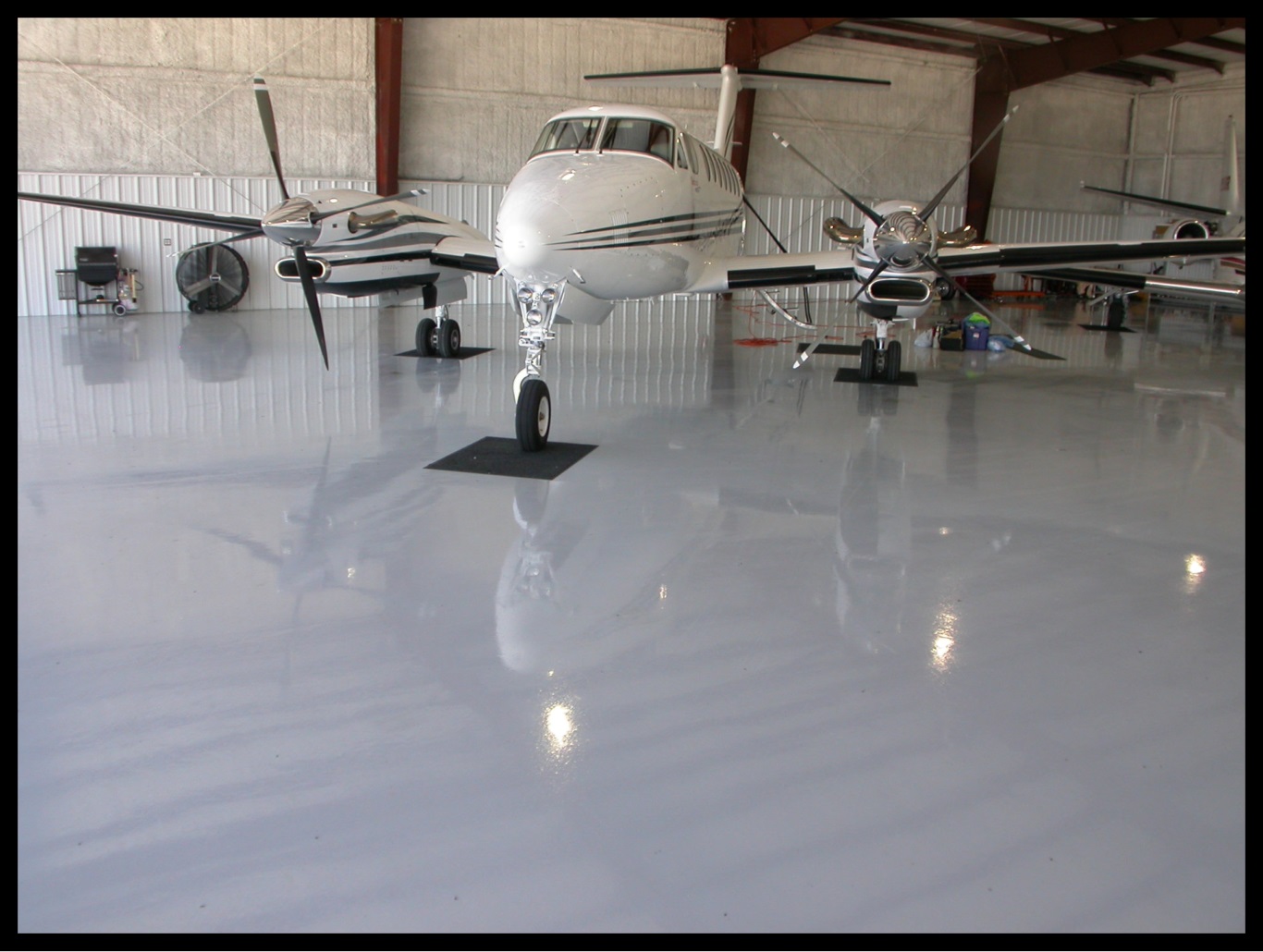
Airplane Hangar Floor Paint Installation: A Comprehensive Guide for Aircraft Maintenance Facilities
Introduction
Aircraft hangars are essential facilities for aircraft maintenance, providing protection from the elements and a controlled environment for technicians to perform their work. The floor of an aircraft hangar is a critical component, subjected to heavy traffic, chemical spills, and other demanding conditions. Proper installation of hangar floor paint is crucial to ensure durability, safety, and a professional appearance. This comprehensive guide will provide a step-by-step approach to airplane hangar floor paint installation, covering surface preparation, paint selection, application techniques, and maintenance best practices.
Surface Preparation
- Thorough Cleaning: Remove all dirt, debris, grease, and oil from the floor using a degreaser and pressure washer. Allow the floor to dry completely.
- Acid Etching: Apply an acid etching solution to the floor to remove any remaining contaminants and create a rough surface for better paint adhesion. Rinse the floor thoroughly with water and allow it to dry.
- Repairing Cracks and Imperfections: Fill any cracks or imperfections in the floor with a suitable concrete repair compound. Allow the compound to cure according to the manufacturer’s instructions.
- Smoothing the Surface: Grind the floor to smooth out any uneven areas and create a uniform surface for paint application.
Paint Selection
Choosing the right paint for your aircraft hangar floor is essential for durability and performance. Consider the following factors:
- Chemical Resistance: The paint should be resistant to aircraft fluids, solvents, and chemicals commonly used in hangar maintenance.
- Abrasion Resistance: The paint should withstand heavy foot traffic, rolling equipment, and other abrasive forces.
- Slip Resistance: The paint should provide a non-slip surface for safety.
- Color and Finish: Select a paint color and finish that meets your specific requirements for visibility, aesthetics, and maintenance.
Application Techniques
- Prime the Surface: Apply a primer to the prepared floor to improve paint adhesion and prevent moisture penetration. Allow the primer to dry completely.
- Apply Base Coat: Apply two or three coats of the selected paint using a roller or spray gun. Allow each coat to dry thoroughly before applying the next.
- Apply Top Coat: Apply a clear top coat to protect the paint from wear and tear and enhance its durability. Allow the top coat to dry completely.
- Cure Time: Allow the paint to cure for the recommended time specified by the manufacturer before exposing it to traffic or other use.
Maintenance Best Practices
Regular maintenance is essential to extend the life of your hangar floor paint. Follow these best practices:
- Regular Cleaning: Sweep or vacuum the floor regularly to remove dirt and debris.
- Spot Cleaning: Clean up spills and stains promptly to prevent damage to the paint.
- Periodic Inspection: Inspect the floor regularly for any signs of wear, damage, or fading.
- Repainting: Repaint the floor as needed to maintain its appearance and protective properties.
Additional Considerations
- Safety Precautions: Wear appropriate safety gear when working with paint and chemicals.
- Ventilation: Ensure adequate ventilation during paint application and curing.
- Professional Installation: Consider hiring a professional painting contractor for optimal results and warranty coverage.
Conclusion
By following the steps outlined in this comprehensive guide, you can achieve a durable, safe, and aesthetically pleasing hangar floor paint installation. Proper surface preparation, paint selection, application techniques, and maintenance best practices will ensure that your hangar floor meets the demands of aircraft maintenance for years to come.
Post a Comment for "Airplane Accents: Airplane Hangar Floor Paint Installation"