Mastering the Art of Painting Doll Faces: Techniques and Tips for Realistic and Expressive Eyes
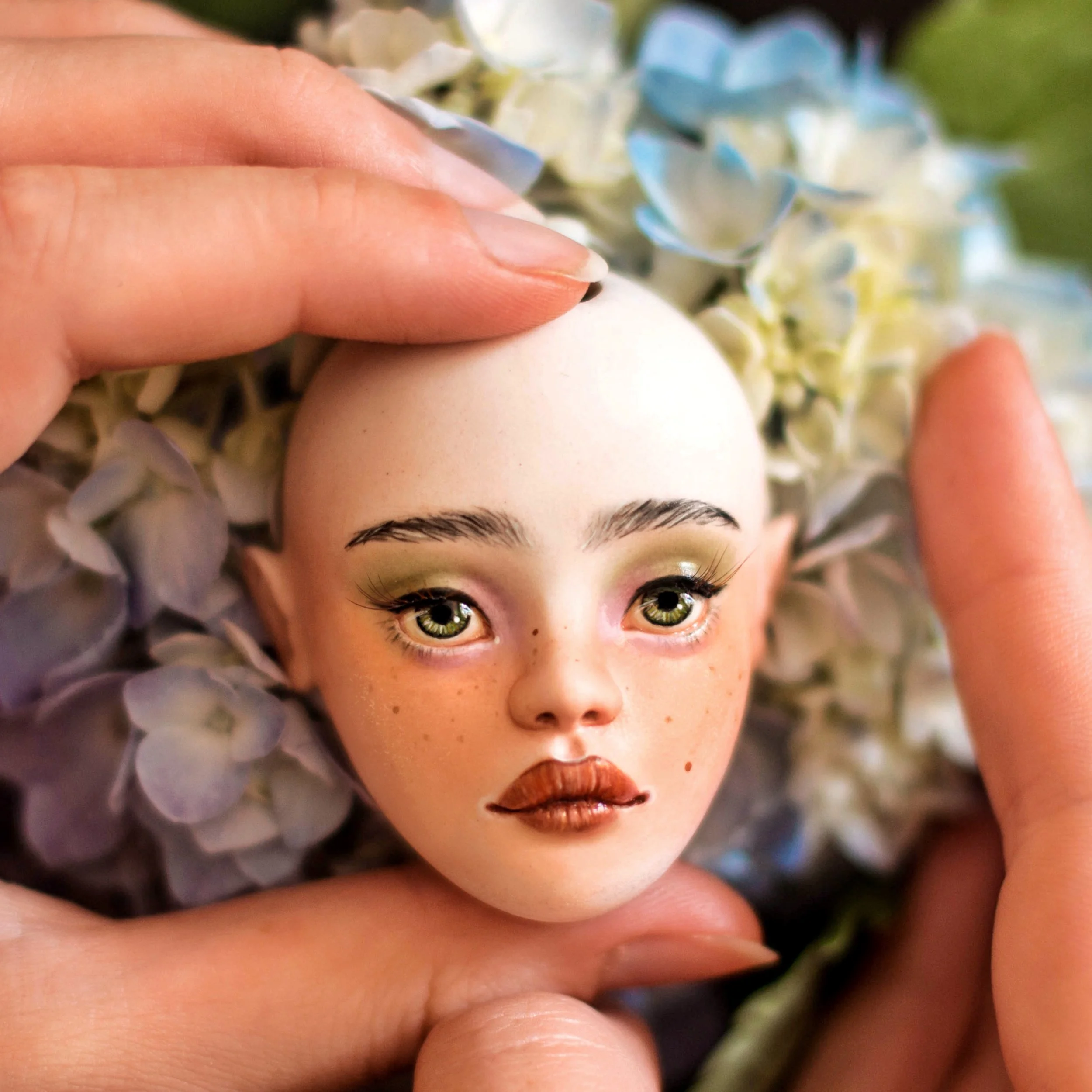
Table of Content
- 1 Mastering the Art of Painting Doll Faces: Techniques and Tips for Realistic and Expressive Eyes
- 1.1 Choosing the Right Paints and Brushes
- 1.2 Preparing the Doll’s Face: A Foundation for Beauty
- 1.3 Mastering the Art of Skin Tones: Achieving Realistic Complexions
- 1.4 Painting Expressive Eyes: The Windows to the Soul
- 1.5 Bringing the Face to Life: Adding Features and Details
- 1.6 Finishing Touches: Sealing and Protecting Your Artwork
- 1.7 Tips for Success: Avoiding Common Mistakes
- 1.8 Conclusion: Embracing the Journey of Doll Face Painting
Painting doll faces is a meticulous and rewarding art form that combines precision, creativity, and a keen eye for detail. Whether you’re a seasoned artist or a curious beginner, achieving lifelike expressions and captivating eyes requires a thorough understanding of techniques and tools. This comprehensive guide will delve into the intricacies of doll face painting, equipping you with the knowledge and skills to transform your dolls into captivating works of art.
Choosing the Right Paints and Brushes
The foundation of any successful doll face painting lies in selecting the appropriate paints and brushes.
Acrylic Paints:
- Pros: Acrylic paints offer a versatile and forgiving medium, drying quickly and allowing for easy layering and blending. Their water-soluble nature makes them easy to clean up, and their vibrant colors provide a wide range of options for creating realistic skin tones and expressive features.
- Cons: Acrylic paints can be prone to cracking if applied too thickly, so careful layering and blending are crucial.
Oil Paints:
- Pros: Oil paints offer a rich, smooth finish and allow for greater control over blending and detail. Their slow drying time enables artists to make corrections and achieve subtle transitions.
- Cons: Oil paints require a longer drying time, making them less suitable for quick projects. They also require solvents for cleaning, which can be messy and require proper ventilation.
Watercolor Paints:
- Pros: Watercolor paints are a delicate and translucent medium, ideal for creating soft, ethereal features and subtle color gradients. They are easy to blend and offer a unique, airy aesthetic.
- Cons: Watercolor paints are less forgiving than other mediums, and mistakes can be difficult to correct. They also require specialized paper and techniques for optimal results.

Recommended Brushes:
- Round brushes: These versatile brushes are essential for detailing eyes, lips, and other delicate features. Opt for sizes ranging from 0 to 4 for precise work.
- Flat brushes: Flat brushes are perfect for applying base coats, blending skin tones, and creating smooth transitions. Choose sizes from 4 to 10, depending on the size of the doll.
- Liner brushes: Liner brushes with fine tips are ideal for outlining features, adding eyelashes, and creating sharp, defined lines.
- Fan brushes: Fan brushes are useful for softening edges, blending shadows, and creating subtle highlights.

Preparing the Doll’s Face: A Foundation for Beauty
Before embarking on the painting process, it’s crucial to prepare the doll’s face for optimal results.
Cleaning and Smoothing:
- Gently clean the doll’s face with a damp cloth to remove any dust or residue.
- If the doll’s face is textured or uneven, use a fine-grit sandpaper to smooth out any imperfections.
Priming the Surface:
- Apply a primer specifically designed for dolls or plastics. This creates a smooth, even surface that allows the paint to adhere properly.
- Let the primer dry completely before proceeding.
Creating a Base Coat:
- Apply a thin layer of white or flesh-toned paint to the entire face. This provides a neutral base for subsequent layers and helps to even out the skin tone.
Mastering the Art of Skin Tones: Achieving Realistic Complexions
Creating realistic skin tones is a key element in bringing your doll’s face to life.
Understanding Skin Tone Variations:
- Observe the subtle variations in skin tone, including warm, cool, and neutral undertones.
- Use a color wheel to understand how to mix different colors to achieve desired skin tones.
Mixing Skin Tones:
- Start with a base color of white, adding a touch of yellow, red, or blue depending on the desired undertone.
- Gradually build up the color by adding small amounts of other pigments, such as ochre, umber, or rose.
- Remember that skin tones are not uniform, and subtle variations in color should be incorporated to create a realistic look.
Blending Techniques:
- Use a flat brush to apply base coats and blend colors seamlessly.
- For subtle transitions, use a fan brush to soften edges and create a natural, diffused effect.
Painting Expressive Eyes: The Windows to the Soul
The eyes are the focal point of any doll face, and capturing their expressiveness is paramount.
Creating Realistic Eyeballs:
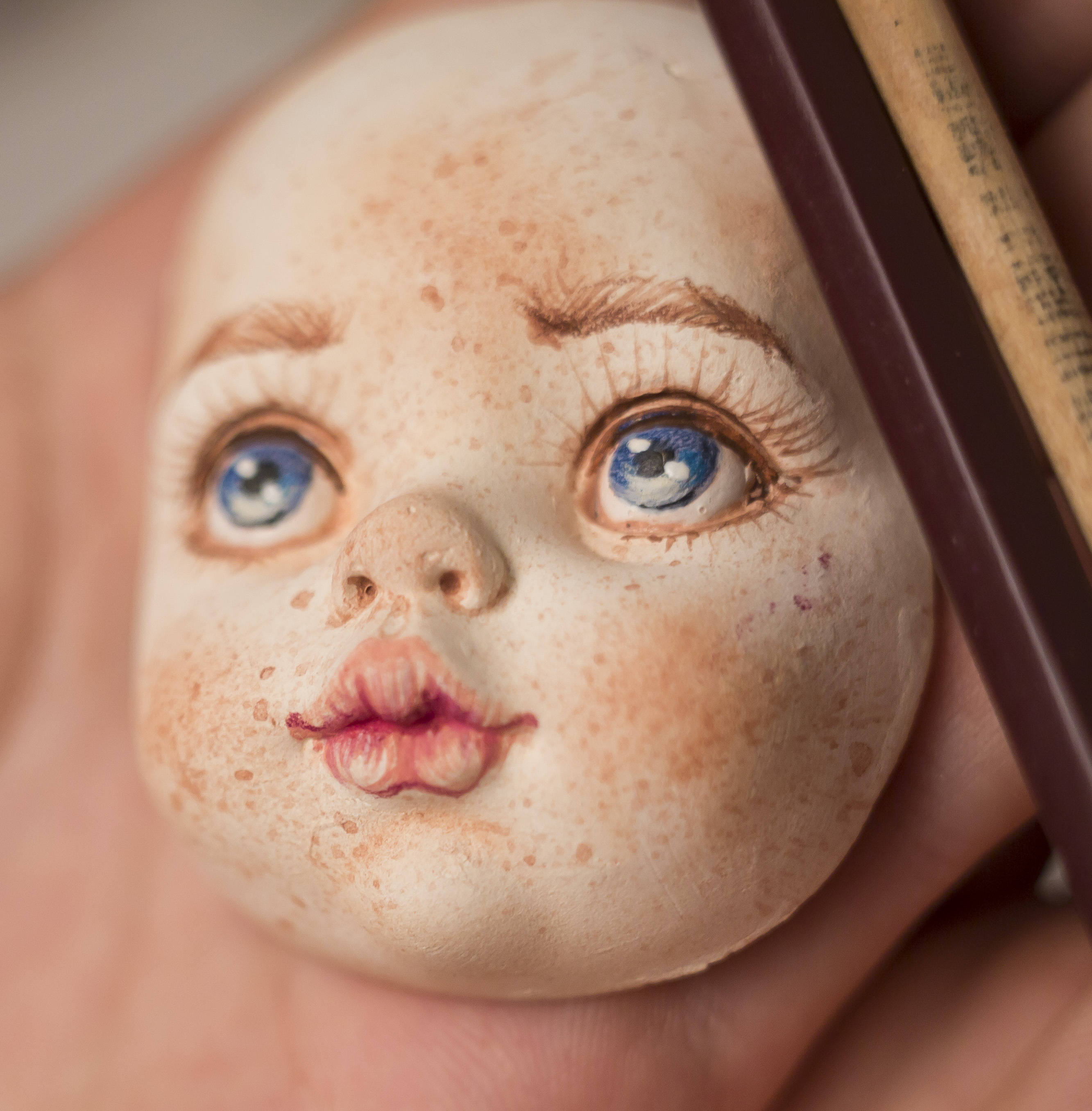
- Use a small round brush to apply a base coat of white or a light flesh tone to the eye area.
- Paint the iris with a vibrant color, adding details like veins and a darker outer ring.
- Create a realistic pupil by applying a small dot of black paint.
Adding Depth and Detail:
- Use a thin brush to paint fine lines around the iris, creating a more defined shape.
- Add subtle highlights to the iris with a touch of white or a light color.
- Paint the sclera (white of the eye) with a slightly off-white color, adding subtle shadows around the iris and near the tear duct.
Creating Expressive Eyebrows and Eyelashes:
- Use a fine liner brush to draw delicate eyebrows, considering the doll’s facial structure and expression.
- Add a touch of shadow under the eyebrows to create a natural depth.
- Apply fine, individual eyelashes with a thin brush, creating a layered effect for a more realistic look.
Bringing the Face to Life: Adding Features and Details
Once the eyes are complete, it’s time to add the finishing touches to bring the doll’s face to life.
Painting Lips and Cheeks:
- Use a small round brush to apply a base coat of a light pink or red to the lips.
- Add a touch of darker color to the corners of the lips for a more defined shape.
- Use a soft blush on the cheeks, creating a natural flush of color.
Defining Facial Features:
- Use a thin brush to add subtle shadows and highlights around the nose, chin, and cheekbones.
- Create a natural contour by blending the shadows and highlights seamlessly.
Adding Freckles and Other Details:
- Use a small brush to add freckles, birthmarks, or other details, if desired.
- Remember that less is often more, and subtle details can enhance the realism of the face.
Finishing Touches: Sealing and Protecting Your Artwork
After the paint is dry, it’s important to seal and protect your doll’s face to ensure its longevity.
Sealing the Paint:
- Apply a sealant specifically designed for dolls or plastics. This will protect the paint from scratches and fading.
- Let the sealant dry completely before handling the doll.
Applying a Matte or Gloss Finish:
- Choose a matte or gloss finish based on your desired aesthetic.
- A matte finish will create a more natural look, while a gloss finish will add shine and vibrancy.
Tips for Success: Avoiding Common Mistakes
- Patience is key: Doll face painting requires precision and attention to detail, so take your time and don’t rush the process.
- Practice makes perfect: Start with simple projects and gradually work your way up to more complex designs.
- Use a light touch: Apply paint in thin layers to avoid cracking or obscuring details.
- Clean your brushes regularly: Clean your brushes thoroughly after each use to prevent paint build-up and maintain their shape.
- Experiment with different techniques: Don’t be afraid to try new things and find what works best for you.
Conclusion: Embracing the Journey of Doll Face Painting
Painting doll faces is a rewarding and fulfilling art form that allows you to express your creativity and bring your dolls to life. By understanding the techniques, tools, and principles outlined in this guide, you can embark on a journey of artistic expression, transforming your dolls into captivating works of art that will be treasured for years to come. Remember that practice, patience, and a keen eye for detail are the keys to achieving stunning results. So, gather your supplies, unleash your creativity, and let the magic of doll face painting unfold.

Mastering the Art of Painting Doll Faces: Techniques and Tips for Realistic and Expressive Eyes
Post a Comment for "The Art Of Painting Doll Faces: Techniques And Tips"