Restoring Antiques with Antique Glass Paint: A Comprehensive Guide
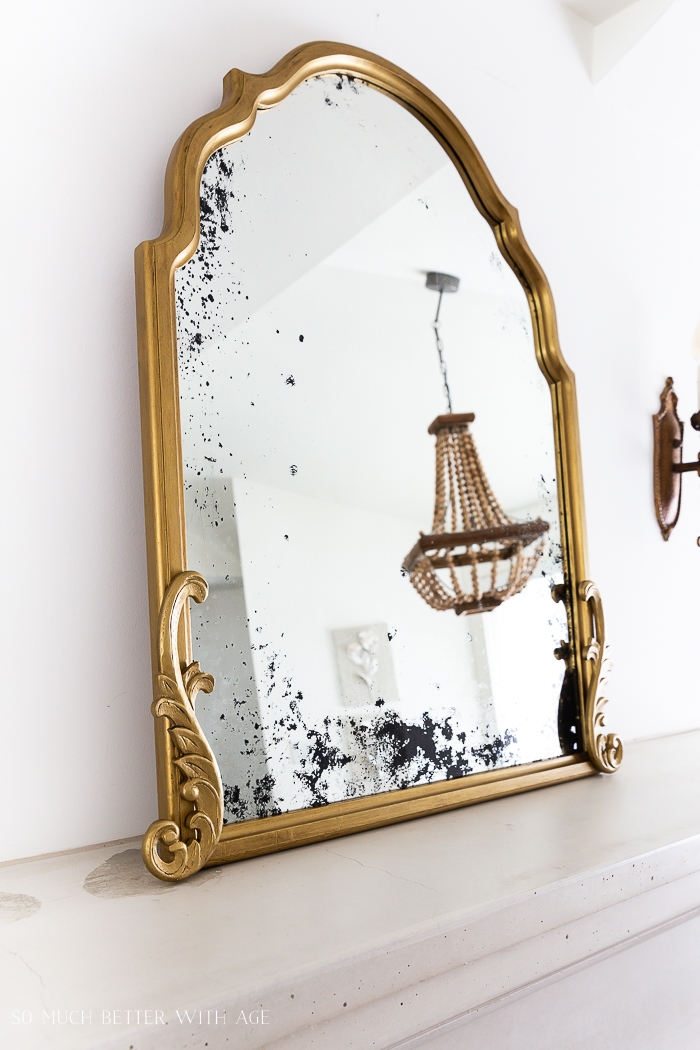
Table of Content
- 1 Restoring Antiques with Antique Glass Paint: A Comprehensive Guide
- 1.1 Understanding Antique Glass Paint
- 1.2 Types of Antique Glass Paint
- 1.3 Preparing Your Antique Glass
- 1.4 Applying Antique Glass Paint
- 1.5 Tips for Successful Restoration
- 1.6 Techniques for Decorative Painting
- 1.7 Restoring Antique Glassware
- 1.8 Restoring Antique Windows
- 1.9 Restoring Antique Mirrors
- 1.10 Safety Precautions
- 1.11 Conclusion
Antique glass paint is a versatile tool for restoring and embellishing antique glass objects. It can be used to repair chips, cracks, and scratches, as well as to create decorative designs and patterns. Whether you’re a seasoned collector or a DIY enthusiast, understanding the nuances of antique glass paint can help you achieve stunning results. This comprehensive guide will equip you with the knowledge and techniques to restore your treasured antiques to their former glory.
Understanding Antique Glass Paint
Antique glass paint, also known as stained glass paint, is a specialized paint formulated for use on glass surfaces. It’s typically oil-based, offering excellent adhesion and durability. Key characteristics of antique glass paint include:
- Opacity: Antique glass paint comes in various opacities, ranging from transparent to opaque. Transparent paints allow the underlying glass to show through, while opaque paints provide a solid, even coverage.
- Color: A wide array of colors is available, allowing you to match the original color of your antique or create a unique aesthetic.
- Finish: Antique glass paint can be found in matte, satin, or gloss finishes, providing different visual effects.
Types of Antique Glass Paint
Antique glass paint is broadly classified into two categories:

1. One-Part Paints: These paints are ready-to-use and require no mixing or preparation. They are ideal for small projects and beginners due to their ease of use.
2. Two-Part Paints: These paints consist of a base and a hardener that must be mixed together before application. This type of paint offers superior durability and is suitable for larger projects.
Preparing Your Antique Glass
Before applying antique glass paint, meticulous preparation is crucial to ensure a successful restoration. Follow these steps:
- Clean the Glass: Thoroughly clean the glass surface using a mild detergent and warm water. Avoid harsh chemicals or abrasive cleaners that can damage the glass.
- Remove Existing Paint: If there’s existing paint on the glass, carefully remove it using a paint stripper or a scraper.
- Sand the Surface: Gently sand the glass surface with fine-grit sandpaper to create a smooth, even surface for the paint to adhere to.
- Degrease the Glass: Wipe down the glass surface with rubbing alcohol to remove any remaining oils or residues.
- Mask the Area: If you are working on a specific area of the glass, use painter’s tape to mask off the surrounding areas and prevent accidental paint spills.

Applying Antique Glass Paint
Once your glass is prepared, you can proceed with applying the antique glass paint. Here’s a step-by-step guide:
- Choose the Right Paint: Select an antique glass paint that matches the original color and finish of your antique. Consider the opacity of the paint based on your desired effect.
- Prepare the Paint: If you’re using a two-part paint, mix the base and hardener thoroughly according to the manufacturer’s instructions.
- Apply the Paint: Use a fine-tipped brush, a sponge, or a spray bottle to apply the paint evenly to the glass surface. Work in thin, even coats, allowing each coat to dry completely before applying the next.
- Cure the Paint: After the paint is dry, cure it according to the manufacturer’s instructions. This may involve baking the glass in an oven or using a heat gun. Curing helps the paint harden and become more durable.
- Remove Masking Tape: Once the paint is fully cured, carefully remove the masking tape.
Tips for Successful Restoration
- Practice on a Scrap Piece: Before working on your antique, practice applying the paint on a scrap piece of glass to get a feel for the consistency and application techniques.
- Use Light Coats: Apply the paint in thin, even coats to avoid drips and runs.
- Avoid Overworking the Paint: Once the paint is applied, avoid touching it or moving the glass until it’s completely dry.
- Protect the Surface: After the paint is cured, apply a sealant to protect the paint from scratches and wear.
- Document Your Work: Take detailed photographs of the restoration process to track your progress and document any changes you make.
Techniques for Decorative Painting
Antique glass paint can be used to create a variety of decorative effects on antique glass objects. Here are some popular techniques:
1. Stenciling: Use a stencil to create intricate designs or patterns on the glass surface.
2. Brushwork: Use a brush to create freehand designs, lettering, or other artistic elements.
3. Sponging: Use a sponge to create a textured effect or to blend different colors.
4. Marbling: Use a marbling technique to create a unique, swirled pattern on the glass surface.
5. Gilding: Apply gold leaf or gold paint to create a luxurious finish.
Restoring Antique Glassware
Antique glassware, including vases, bottles, and decanters, can be restored using antique glass paint. Here are some common restoration techniques:
- Repairing Chips and Cracks: Apply a thin layer of antique glass paint to fill in chips and cracks.
- Restoring Color: Use antique glass paint to restore faded or chipped color to antique glassware.
- Creating Decorative Elements: Use antique glass paint to create decorative patterns or designs on the glassware.
Restoring Antique Windows
Antique windows can be restored using antique glass paint to repair damage, replace missing panes, or create decorative elements. Here’s how:
- Repairing Cracks and Scratches: Apply antique glass paint to fill in cracks and scratches on the glass panes.
- Replacing Missing Panes: Cut new glass panes to size and secure them to the window frame. Use antique glass paint to match the color and finish of the existing panes.
- Creating Decorative Elements: Use antique glass paint to create leaded glass designs, stained glass patterns, or other decorative elements on the windows.
Restoring Antique Mirrors
Antique mirrors can be restored using antique glass paint to repair damage, restore the silvering, or create decorative elements. Here’s how:
- Repairing Damage: Use antique glass paint to fill in chips and cracks on the mirror surface.
- Restoring Silvering: If the silvering on the mirror is damaged, you can use antique glass paint to create a new reflective surface.
- Creating Decorative Elements: Use antique glass paint to create decorative borders, patterns, or designs on the mirror frame.
Safety Precautions
When working with antique glass paint, it’s important to take the following safety precautions:
- Wear Protective Gear: Wear gloves, a mask, and eye protection to avoid contact with the paint.
- Work in a Well-Ventilated Area: Ensure adequate ventilation to prevent inhaling fumes.
- Keep Paint Out of Reach of Children: Store paint securely and out of reach of children.
- Dispose of Paint Properly: Dispose of paint containers and materials according to local regulations.
Conclusion
Restoring antiques with antique glass paint can be a rewarding experience. By understanding the different types of paint, preparing your glass properly, and applying the paint with care, you can achieve stunning results. Whether you’re restoring a cherished family heirloom or adding a touch of vintage charm to your home decor, antique glass paint is a versatile tool for bringing your antique glass objects back to life.

Restoring Antiques with Antique Glass Paint: A Comprehensive Guide
Post a Comment for "Restoring Antiques With Antique Glass Paint"