Setting Up Your Paint Mix Room: Best Practices for Efficiency and Accuracy

Table of Content
- 1 Setting Up Your Paint Mix Room: Best Practices for Efficiency and Accuracy
- 1.1 I. Planning Your Paint Mix Room
- 1.2 II. Setting Up Your Workstation
- 1.3 III. Paint Mixing Best Practices
- 1.4 IV. Paint Storage and Handling
- 1.5 V. Maintaining Your Paint Mix Room
- 1.6 VI. Investing in Technology
- 1.7 VII. Best Practices for Specific Paint Types
- 1.8 VIII. Conclusion
A well-organized paint mix room is the foundation of a successful paint business. It ensures efficient production, accurate color matching, and minimal waste. This comprehensive guide will cover the essential elements of setting up a paint mix room, from layout and equipment to best practices for mixing and storage.
I. Planning Your Paint Mix Room
1. Location and Layout:
- Dedicated Space: A dedicated space, separate from other operations, ensures optimal workflow and minimizes distractions.
- Size and Configuration: Consider the volume of paint you mix regularly. Allow ample space for equipment, storage, and movement. A U-shaped layout with workstations on three sides can maximize efficiency.
- Ventilation: Adequate ventilation is crucial for removing paint fumes and ensuring a safe and healthy work environment. Install exhaust fans and consider a dedicated air filtration system.
- Lighting: Bright, even lighting is essential for accurate color matching. Utilize LED lights for energy efficiency and long lifespan.
2. Essential Equipment:

- Paint Dispensers: Choose dispensers that accurately dispense the required volume of paint, minimizing waste and ensuring consistent batches.
- Scales: High-precision scales are vital for measuring pigments and additives accurately. Invest in a digital scale with a tare function for quick and efficient weighing.
- Mixers: Powerful mixers are necessary for thoroughly blending pigments and additives into the paint base. Consider a combination of high-speed mixers for initial blending and low-speed mixers for final homogenization.
- Color Matching System: A reliable color matching system is essential for achieving accurate color reproduction. Utilize spectrophotometers for precise color measurement and software for color formulation and management.
- Storage Systems: Efficient storage solutions are critical for organizing paint bases, pigments, and additives. Utilize shelves, cabinets, and drawers for easy access and inventory management.

3. Safety Considerations:
- Personal Protective Equipment (PPE): Ensure all personnel wear appropriate PPE, including gloves, masks, and eye protection, to minimize exposure to paint fumes and chemicals.
- Fire Safety: Install fire extinguishers and maintain a clean and organized environment to minimize fire hazards.
- Chemical Handling: Implement proper procedures for handling and storing chemicals, including labeling, ventilation, and spill containment.
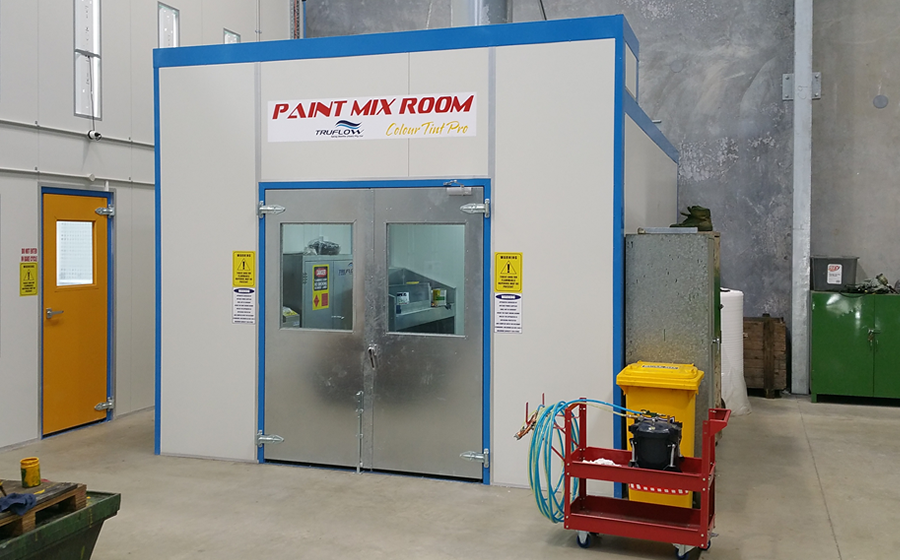
II. Setting Up Your Workstation
1. Work Surface:
- Durable Material: Choose a durable, easy-to-clean work surface like stainless steel or epoxy resin.
- Ergonomic Design: Ensure the work surface is at a comfortable height for standing or sitting, promoting ergonomic posture.
- Adequate Space: Allow sufficient space for mixing, dispensing, and measuring, minimizing spills and accidents.
2. Mixing Equipment:
- High-Speed Mixer: This is used for initial blending of pigments and additives. Choose a model with variable speed control for precise mixing.
- Low-Speed Mixer: Used for final homogenization, ensuring a smooth and consistent paint finish. A propeller or paddle mixer is ideal for this purpose.
- Mixing Vessels: Invest in a range of mixing vessels in various sizes, depending on your production volume. Choose materials like stainless steel or plastic, depending on the paint type and compatibility.
3. Color Matching Tools:
- Spectrophotometer: This instrument measures the color of a paint sample with high accuracy, providing numerical data for color formulation.
- Color Matching Software: This software analyzes the spectrophotometer data, compares it to a database of color formulas, and generates a recipe for the desired color.
- Color Charts and Swatches: These serve as visual references for color selection and communication with clients.
III. Paint Mixing Best Practices
1. Accurate Measurement:
- Weighing: Always use a calibrated scale to weigh pigments and additives accurately.
- Dispensing: Utilize paint dispensers to ensure consistent and precise dispensing of paint bases.
- Recording: Maintain a detailed record of all ingredients used for each batch, including weights, quantities, and dates.
2. Thorough Mixing:
- Initial Blending: Use a high-speed mixer to thoroughly blend pigments and additives into the paint base.
- Final Homogenization: Utilize a low-speed mixer to ensure a smooth and consistent paint finish.
- Mixing Time: Allow sufficient time for thorough mixing, ensuring that all ingredients are fully incorporated.
3. Color Matching:
- Sample Preparation: Prepare a small sample of the desired color using the color matching system.
- Spectrophotometer Readings: Take accurate spectrophotometer readings of the sample and compare them to the database of color formulas.
- Formula Adjustment: Adjust the formula based on the color difference between the sample and the desired color.
- Re-mixing and Verification: Remix the paint according to the adjusted formula and re-measure with the spectrophotometer to ensure accuracy.
4. Batch Consistency:
- Standardized Procedures: Implement standardized procedures for mixing, color matching, and quality control.
- Regular Calibration: Regularly calibrate the scales, dispensers, and spectrophotometer to ensure accuracy.
- Batch Testing: Conduct regular tests on finished paint batches to ensure consistency and quality.
IV. Paint Storage and Handling
1. Storage:
- Temperature and Humidity Control: Store paint in a cool, dry environment with controlled temperature and humidity.
- Proper Labeling: Label all containers clearly with the paint type, color, batch number, and date of manufacture.
- Rotation: Implement a first-in, first-out (FIFO) system to ensure that older paint batches are used before newer ones.
2. Handling:
- Cleanliness: Maintain a clean and organized paint storage area to prevent contamination.
- Safety: Handle paint containers carefully to avoid spills and leaks.
- Disposal: Dispose of paint waste responsibly, following local regulations.
V. Maintaining Your Paint Mix Room
1. Regular Cleaning:
- Daily Cleaning: Clean work surfaces, equipment, and floors daily to prevent build-up of paint and dust.
- Weekly Deep Cleaning: Conduct a more thorough cleaning weekly, including cleaning the mixing vessels, scales, and spectrophotometer.
- Maintenance: Regularly inspect and maintain all equipment to ensure optimal performance and safety.
2. Inventory Management:
- Stock Control: Maintain accurate records of paint bases, pigments, and additives.
- Ordering: Order supplies in advance to avoid stockouts and delays.
- Rotation: Implement a FIFO system to ensure that older supplies are used first.
3. Training:
- Regular Training: Provide regular training to staff on paint mixing procedures, safety protocols, and equipment operation.
- Certification: Consider obtaining certifications for staff in areas like color matching and safety.
VI. Investing in Technology
1. Automated Dispensing Systems:
- Improved Accuracy: Automated dispensers ensure precise measurement and reduce manual errors.
- Increased Efficiency: Automate the dispensing process, freeing up staff for other tasks.
- Reduced Waste: Minimize waste by dispensing only the required amount of paint.
2. Advanced Color Matching Software:
- Expanded Color Library: Access a wider range of color formulas and create custom colors.
- Improved Accuracy: Utilize advanced algorithms for more precise color matching.
- Data Management: Manage color formulas, customer preferences, and project data efficiently.
3. Cloud-Based Inventory Management Systems:
- Real-time Inventory Tracking: Monitor inventory levels and order supplies automatically.
- Improved Efficiency: Streamline inventory management processes and reduce stockouts.
- Data Analysis: Analyze inventory trends and identify opportunities for optimization.
VII. Best Practices for Specific Paint Types
1. Water-Based Paints:
- Mixing: Use a low-speed mixer for water-based paints to avoid air bubbles and ensure smooth consistency.
- Storage: Store water-based paints in a cool, dry environment to prevent mold growth.
- Cleaning: Clean equipment with water and mild detergent.
2. Solvent-Based Paints:
- Ventilation: Ensure adequate ventilation when mixing and handling solvent-based paints.
- Safety: Wear appropriate PPE, including gloves, masks, and eye protection.
- Cleaning: Clean equipment with solvent-based cleaners.
3. Specialty Paints:
- Manufacturer Instructions: Follow the manufacturer’s instructions for mixing, storage, and handling specialty paints.
- Compatibility: Ensure that pigments and additives are compatible with the paint base.
- Safety: Take extra precautions with specialty paints that may contain hazardous materials.
VIII. Conclusion
A well-organized and efficient paint mix room is essential for any paint business. By following these best practices, you can ensure accurate color matching, consistent paint batches, and a safe and productive work environment. Investing in technology and implementing standardized procedures can further optimize your paint mixing operations, leading to increased efficiency, reduced waste, and improved customer satisfaction.

Setting Up Your Paint Mix Room: Best Practices for Efficiency and Accuracy
Post a Comment for "Setting Up Your Paint Mix Room: Best Practices"