Miniature Painting Landscapes: Techniques for Tiny Masterpieces
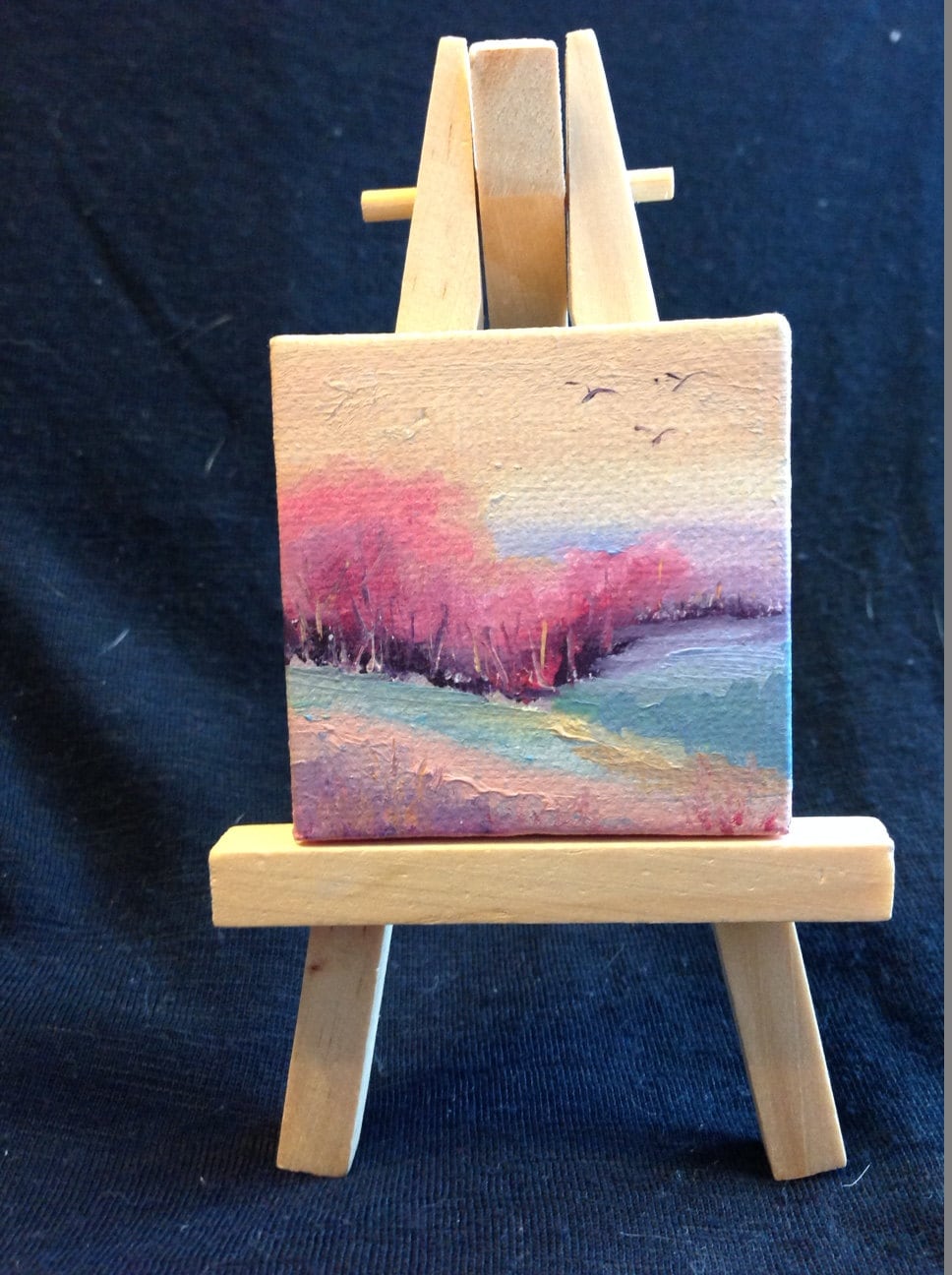
Table of Content
- 1 Miniature Painting Landscapes: Techniques for Tiny Masterpieces
- 1.1 Understanding the Basics of Miniature Landscape Painting
- 1.2 Essential Tools and Materials for Miniature Landscape Painting
- 1.3 Techniques for Miniature Landscape Painting
- 1.4 Mastering Perspective in Miniature Landscape Painting
- 1.5 Building a Miniature Landscape: Step-by-Step Guide
- 1.6 Tips for Success in Miniature Landscape Painting
- 1.7 Conclusion: Embracing the Miniature Landscape
The allure of miniature painting lies in its ability to capture vast worlds within the confines of a tiny canvas. Landscape miniature painting, in particular, presents a unique challenge and reward. It demands meticulous detail, precise brushwork, and a keen understanding of perspective to create miniature landscapes that evoke breathtaking realism and captivating atmosphere.
This comprehensive guide delves into the techniques and intricacies of miniature landscape painting, offering insights into essential tools, materials, and techniques that will elevate your miniature painting skills to new heights.
Understanding the Basics of Miniature Landscape Painting
Before embarking on your miniature landscape journey, it’s crucial to grasp the fundamentals that underpin this art form.
Perspective: Miniature painting necessitates a deep understanding of perspective to accurately depict depth and scale within a limited space. Mastering linear perspective, atmospheric perspective, and forced perspective are essential for creating convincing miniature landscapes.
Color Theory: Color plays a pivotal role in setting the mood and atmosphere of your miniature landscape. Understanding color harmony, contrast, and the use of warm and cool colors will enhance the visual impact of your miniature creations.
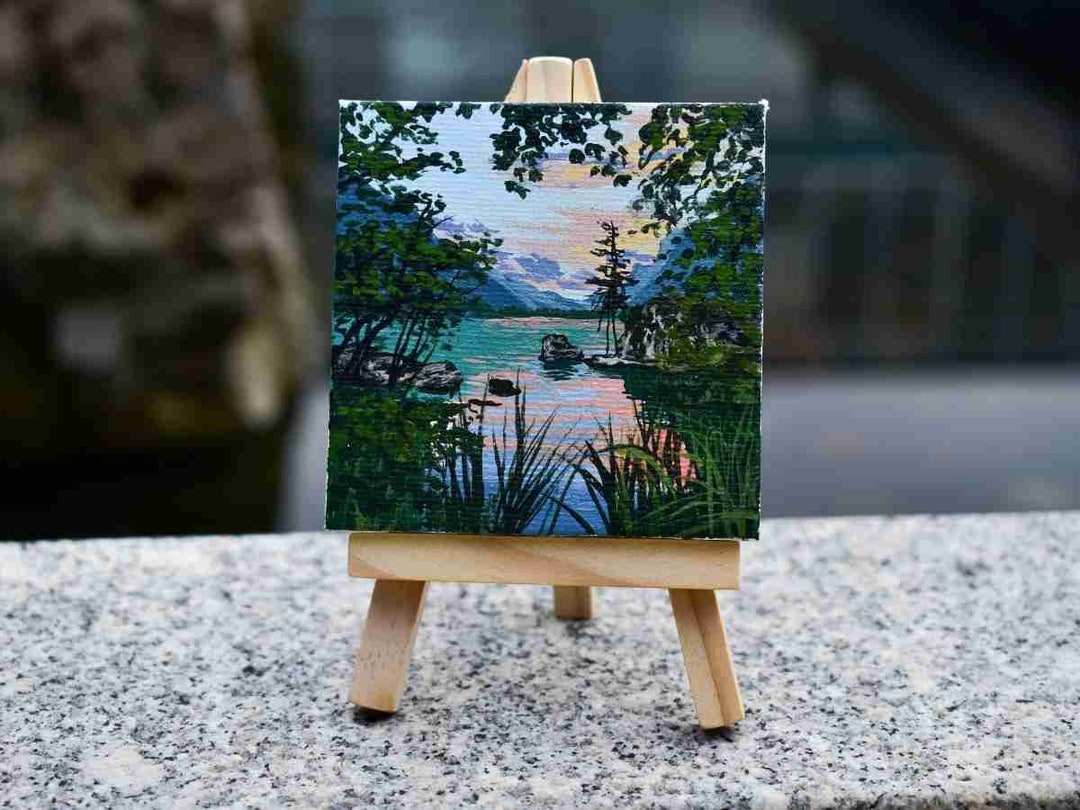
Brush Control: Precise brushwork is paramount in miniature painting. Experiment with different brush sizes and shapes to achieve varying degrees of detail and texture. Developing a steady hand and mastering brush control techniques will significantly improve your miniature landscape painting.

Essential Tools and Materials for Miniature Landscape Painting
1. Brushes:
- Round Brushes: Ideal for fine detail work, blending, and creating smooth transitions.
- Filbert Brushes: Offer a slightly wider, rounded shape, suitable for blending larger areas and creating soft edges.
- Flat Brushes: Useful for covering large areas, creating flat washes, and applying textures.
- Detail Brushes: Specialized brushes with extremely fine tips, perfect for intricate details and delicate lines.

2. Paints:
- Acrylic Paints: Popular choice for miniature painting due to their quick drying time, versatility, and ease of use.
- Watercolors: Offer a unique translucent quality, allowing for layered effects and vibrant washes.
- Oil Paints: Provide rich colors and a smooth, blendable texture, ideal for achieving realistic effects.
3. Primers:
- White Primer: Creates a smooth, opaque surface for painting, enhancing color vibrancy.
- Black Primer: Provides a dark background, ideal for highlighting details and creating dramatic contrast.
- Grey Primer: Offers a neutral base, suitable for a wide range of painting styles.
4. Mediums:
- Acrylic Mediums: Enhance paint flow, gloss level, and drying time.
- Watercolor Mediums: Increase transparency, alter drying time, and enhance color intensity.
- Oil Mediums: Modify paint consistency, drying time, and gloss level.
5. Other Essential Tools:
- Palette: A flat surface for mixing paints.
- Palette Knife: For mixing paints and applying textures.
- Water Container: For cleaning brushes and diluting paints.
- Paper Towels: For blotting excess paint and cleaning up spills.
- Magnifying Glass: Enhances visibility for intricate detail work.
Techniques for Miniature Landscape Painting
1. Layering and Glazing:
- Layering: Building up colors in thin layers, allowing each layer to dry before applying the next. This technique creates depth and dimension.
- Glazing: Applying thin, transparent layers of paint to create subtle color transitions and atmospheric effects.
2. Dry Brushing:
- Using a dry brush with minimal paint to create a textured effect, highlighting raised areas and adding subtle details.
3. Wet-on-Wet Technique:
- Applying wet paint onto another wet layer to create soft edges and blended transitions. This technique is particularly effective for creating clouds, water, and atmospheric effects.
4. Stippling:
- Using a stippling brush or a pointed brush to create a textured effect by applying small dots of paint. This technique is ideal for representing foliage, rocks, and other natural textures.
5. Scumbling:
- Applying paint in a loose, irregular manner to create a textured effect. This technique is useful for depicting rough surfaces, clouds, and weathered elements.
6. Wash Techniques:
- Diluting paints with water or a medium to create thin, transparent washes. Washes are effective for creating backgrounds, skies, and atmospheric effects.
7. Creating Realistic Textures:
- Foliage: Use a combination of layering, stippling, and dry brushing to create realistic foliage.
- Water: Employ wet-on-wet techniques, glazes, and reflective highlights to depict water.
- Rocks: Utilize dry brushing, stippling, and layering to create textured rocks.
- Trees: Combine layering, dry brushing, and stippling to create realistic tree bark and foliage.
Mastering Perspective in Miniature Landscape Painting
Perspective is the key to creating convincing miniature landscapes. Understanding and applying perspective principles will elevate your miniature painting to a higher level of realism.
1. Linear Perspective:
- Depicting parallel lines converging at a vanishing point on the horizon line. This technique creates a sense of depth and distance.
2. Atmospheric Perspective:
- Using color and value to simulate the effects of atmosphere on objects in the distance. Objects farther away appear less detailed, lighter in value, and bluer in color.
3. Forced Perspective:
- Manipulating the size and position of objects to create the illusion of depth and scale within a limited space.
4. Using Grids and Guides:
- Utilize grids and guides to maintain accurate proportions and perspective when painting miniature landscapes.
Building a Miniature Landscape: Step-by-Step Guide
1. Planning and Concept Development:
- Define the mood and atmosphere you want to convey.
- Sketch out your miniature landscape design, focusing on composition, perspective, and key elements.
2. Preparing the Surface:
- Choose a suitable surface for your miniature landscape, such as a canvas, wooden board, or plastic model base.
- Prime the surface with a primer of your choice to create a smooth, even base for painting.
3. Establishing the Background:
- Begin by painting the background, using washes or layering techniques to create depth and atmosphere.
4. Adding Midground Elements:
- Introduce midground elements, such as trees, hills, or buildings, using appropriate perspective and scale.
5. Painting Foreground Details:
- Focus on the foreground, adding intricate details and textures to create a sense of realism and depth.
6. Adding Final Touches:
- Refine your miniature landscape by adding subtle details, such as birds, insects, or small plants.
7. Applying Finishing Touches:
- Consider adding a varnish or sealant to protect your miniature landscape and enhance its vibrancy.
Tips for Success in Miniature Landscape Painting
- Start with Simple Landscapes: Begin with simple landscapes to develop your basic skills and confidence.
- Practice Regularly: Consistent practice is key to improving your miniature painting skills.
- Experiment with Different Techniques: Explore various techniques to find what works best for you.
- Use Reference Photos: Reference photos provide inspiration and guidance for creating realistic miniature landscapes.
- Don’t Be Afraid to Make Mistakes: Mistakes are part of the learning process. Embrace them as opportunities to learn and grow.
- Be Patient and Persistent: Miniature landscape painting requires patience and persistence. Don’t get discouraged if your initial attempts don’t meet your expectations.
Conclusion: Embracing the Miniature Landscape
Miniature landscape painting offers a rewarding and challenging artistic journey. By mastering the techniques, tools, and principles outlined in this guide, you can create captivating miniature landscapes that capture the essence of the natural world within the confines of a tiny canvas. Embrace the details, experiment with colors, and let your imagination guide you as you transform miniature spaces into breathtaking miniature masterpieces.

Miniature Painting Landscapes: Techniques for Tiny Masterpieces
Post a Comment for "Miniature Painting Landscape: Techniques For Tiny Masterpieces"