Lowcountry Marsh Paintings: Artistic Impressions of Coastal Beauty

The Lowcountry, a region nestled along the southeastern coast of the United States, boasts a unique and captivating landscape. Its vast expanses of salt marshes, teeming with life and bathed in the soft glow of the sun, have captivated artists for generations. These delicate ecosystems, characterized by their intricate network of tidal creeks, verdant grasses, and diverse wildlife, provide a rich tapestry of inspiration for painters seeking to capture the essence of this coastal beauty.
A Symphony of Color and Light
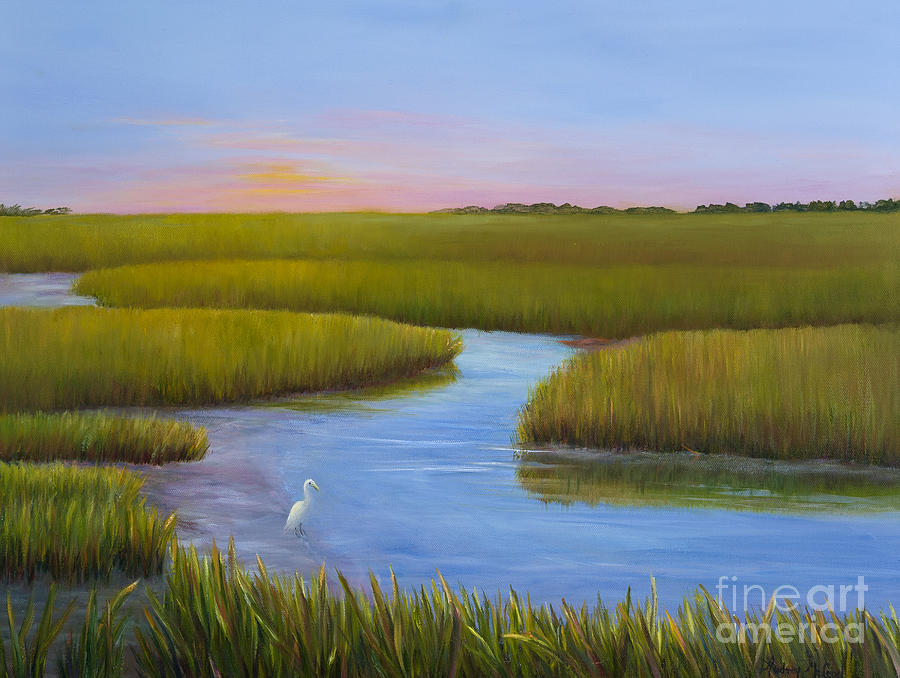
Lowcountry marsh paintings are often defined by their vibrant palette and ethereal light. The interplay of sunlight and shadow on the water’s surface creates a shimmering spectacle, reflecting the ever-changing moods of the sky. Artists skillfully capture this dynamic interplay, using shades of blues, greens, and golds to evoke the tranquility and mystery of the marshes. The subtle shifts in color, from the deep indigo of a stormy sky to the warm amber hues of a setting sun, add depth and dimension to their canvases.
The Ethereal Beauty of the Marsh
Beyond the captivating light, the marsh itself provides a wealth of artistic inspiration. The rhythmic sway of grasses in the gentle breeze, the intricate patterns of tidal creeks, and the silhouettes of birds against the vast expanse of the sky all contribute to the mesmerizing beauty of this unique ecosystem. Artists use their skills to translate these delicate nuances into tangible forms on their canvases, capturing the ephemeral nature of the marsh and its ever-changing landscape.
A Glimpse into the Lowcountry’s Ecology
Lowcountry marsh paintings are not merely aesthetic representations; they serve as windows into the rich biodiversity of this fragile ecosystem. Artists often depict the abundant wildlife that calls the marsh home, from the graceful flight of herons and egrets to the playful antics of fiddler crabs scuttling along the mudflats. These depictions not only enhance the visual appeal of the paintings but also raise awareness about the delicate balance of the Lowcountry’s natural world.
Notable Lowcountry Marsh Painters
Throughout history, numerous artists have been drawn to the captivating beauty of the Lowcountry marshes. Some of the most notable include:
Alice Ravenel Huger Smith (1862-1947): A prominent figure in the Charleston Renaissance, Smith’s paintings captured the essence of Lowcountry life, including its natural beauty. Her works often featured the marshes, depicting their serene landscapes and diverse wildlife with meticulous detail.
Anna Heyward Taylor (1884-1965): Known for her vibrant watercolors, Taylor’s work celebrated the beauty of the Lowcountry, particularly its marshes. She captured the delicate textures of the grasses, the shimmering reflections of the water, and the vibrant colors of the surrounding flora and fauna.

William Halsey (1882-1959): A prominent landscape painter, Halsey’s works often featured the marshes of the Lowcountry. His paintings, characterized by their bold brushstrokes and dramatic compositions, conveyed the power and grandeur of the natural world.

Contemporary Artists: Today, a new generation of artists continues to find inspiration in the Lowcountry’s marshes. From impressionistic interpretations to abstract representations, these artists explore the diverse facets of this unique landscape, pushing the boundaries of artistic expression and bringing new perspectives to the timeless beauty of the marshes.
The Legacy of Lowcountry Marsh Paintings
Lowcountry marsh paintings have left an indelible mark on the artistic landscape, capturing the essence of a region rich in history, culture, and natural beauty. These works serve as a testament to the enduring power of art to connect us to the natural world, fostering appreciation for the fragile ecosystems that surround us. As we continue to appreciate the beauty and significance of the Lowcountry’s marshes, these paintings will continue to inspire generations to come, reminding us of the importance of preserving this precious natural heritage.
Exploring the Techniques and Styles
Lowcountry marsh paintings encompass a diverse range of artistic techniques and styles, each contributing to the unique character of this genre. Here’s a closer look at some of the most prevalent approaches:
Impressionism: This style, characterized by loose brushstrokes and vibrant colors, captures the fleeting moments of light and atmosphere in the marshes. Artists like Alice Ravenel Huger Smith and Anna Heyward Taylor embraced impressionism to convey the ethereal beauty of the Lowcountry’s landscapes.
Realism: This approach focuses on meticulous detail and accuracy, striving to create a faithful representation of the marsh’s natural features. Realist painters often utilize a palette of muted tones to reflect the subtle nuances of the landscape, highlighting the texture of grasses, the intricate patterns of tidal creeks, and the delicate details of wildlife.
Abstract Expressionism: This style, characterized by bold brushstrokes and expressive gestures, allows artists to interpret the essence of the marsh through abstract forms and colors. Abstract expressionist paintings often evoke the raw energy and dynamism of the natural world, capturing the ever-changing moods of the marsh.
Watercolor: The fluidity and transparency of watercolor make it a particularly well-suited medium for capturing the delicate beauty of the Lowcountry marshes. Artists like Anna Heyward Taylor excelled in watercolor, using its inherent qualities to depict the shimmering reflections of water, the subtle gradients of color, and the ethereal light that bathes the landscape.
Oil Painting: The richness and depth of oil paint provide artists with the flexibility to create detailed and vibrant representations of the marsh. Oil paintings often capture the textured surfaces of the grasses, the shimmering reflections of the water, and the intricate details of the wildlife.
Beyond the Canvas: Exploring the Marsh in Person
While Lowcountry marsh paintings offer a captivating glimpse into the region’s natural beauty, nothing compares to experiencing the marshes firsthand. A visit to the Lowcountry allows you to immerse yourself in the unique environment that inspired these artistic creations. You can explore the intricate network of tidal creeks, observe the diverse wildlife, and feel the gentle breeze rustling through the grasses.
Here are some ways to explore the Lowcountry marshes:
Guided Tours: Many local tour operators offer guided tours of the Lowcountry’s marshes, providing insights into the region’s ecology, history, and wildlife. These tours often include opportunities for kayaking, canoeing, or boat rides, allowing you to experience the marsh from a unique perspective.
Hiking Trails: Several hiking trails wind through the Lowcountry’s marshes, offering opportunities to explore the landscape at your own pace. These trails often provide stunning views of the surrounding waterways, the vibrant flora and fauna, and the captivating interplay of light and shadow.
Wildlife Viewing: The Lowcountry marshes are home to a diverse array of wildlife, including birds, reptiles, amphibians, and mammals. Many birdwatching enthusiasts flock to the region to observe the numerous species that call the marshes home.
Preserving the Lowcountry’s Natural Heritage
The Lowcountry’s marshes are not only a source of artistic inspiration but also a vital part of the region’s ecosystem. These delicate ecosystems provide essential habitat for a wide range of wildlife, act as natural buffers against storm surges, and contribute to the overall health of the coastal environment.
Here are some ways you can contribute to the preservation of the Lowcountry’s marshes:
Support Conservation Organizations: Many organizations are dedicated to protecting the Lowcountry’s marshes and promoting responsible stewardship of these valuable ecosystems. Consider supporting these organizations through donations, volunteer work, or advocacy.
Practice Responsible Recreation: When visiting the Lowcountry’s marshes, be mindful of your impact on the environment. Avoid disturbing wildlife, stay on designated trails, and dispose of waste properly.
Educate Yourself and Others: Learn about the importance of the Lowcountry’s marshes and share your knowledge with others. Encourage responsible practices and advocate for the protection of these vital ecosystems.
Conclusion
Lowcountry marsh paintings stand as enduring testaments to the artistic and ecological significance of this unique region. Through their vibrant colors, evocative compositions, and meticulous details, these paintings capture the essence of the Lowcountry’s natural beauty, inspiring generations to appreciate and protect this precious natural heritage. By exploring the marshes firsthand, supporting conservation efforts, and embracing responsible stewardship, we can ensure that the Lowcountry’s captivating landscapes will continue to inspire artists and captivate visitors for generations to come.

Lowcountry Marsh Paintings: Artistic Impressions of Coastal Beauty
Post a Comment for "Lowcountry Marsh Paintings: Artistic Impressions Of Coastal Beauty"