Electrostatic Paint Spraying Service: Efficiency and Precision for Superior Finishes
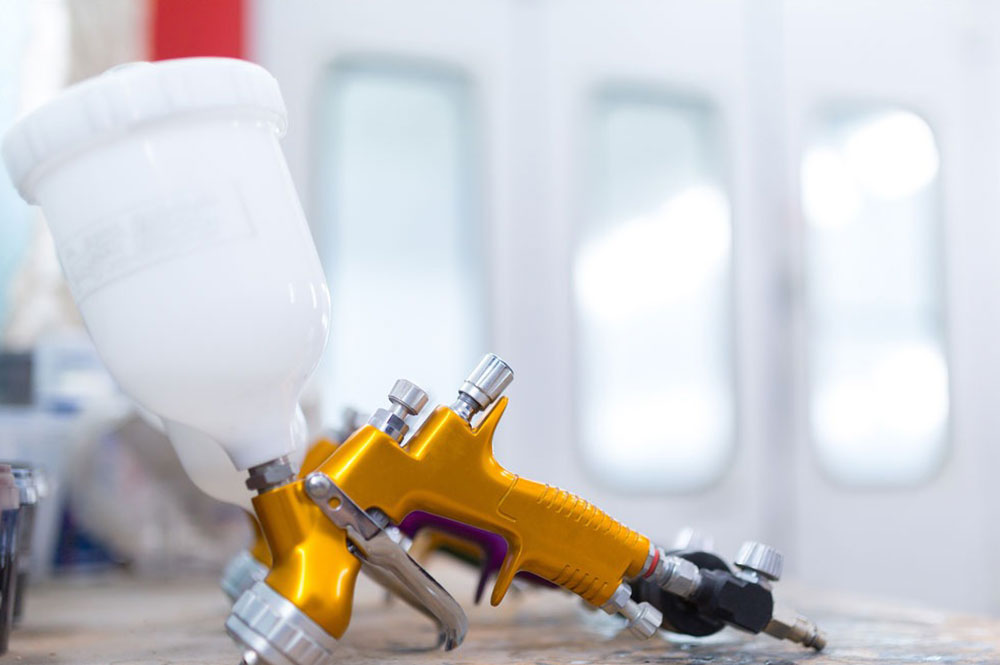
Table of Content
Electrostatic paint spraying is a highly efficient and precise method for applying coatings to a wide range of surfaces. This process leverages the principles of electrostatics to ensure even, uniform paint distribution, minimizing overspray and waste. This article delves into the intricacies of electrostatic paint spraying, exploring its benefits, applications, and the factors contributing to its exceptional efficiency and precision.
Understanding the Science Behind Electrostatic Paint Spraying
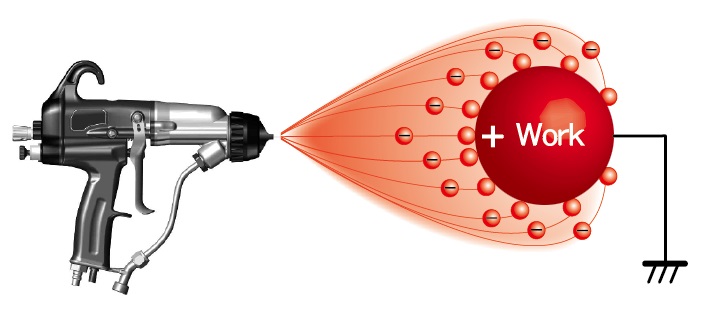
Electrostatic paint spraying utilizes the principle of electrostatic attraction to achieve optimal paint application. The paint particles are charged with a high voltage, typically negative, as they pass through the spray gun. The workpiece, in turn, is grounded, creating an electrical field between the spray gun and the surface.
This electrical field causes the charged paint particles to be attracted to the grounded surface, effectively "wrapping" around the object’s contours. This phenomenon results in an exceptionally even and uniform paint application, even on complex shapes and intricate designs.
Key Advantages of Electrostatic Paint Spraying
Electrostatic paint spraying offers numerous advantages over traditional spray painting methods, making it a preferred choice for various industries.
Enhanced Efficiency: The electrostatic attraction ensures that the paint particles are directed towards the workpiece, minimizing overspray and maximizing paint transfer efficiency. This translates to less paint waste, reduced application time, and lower overall costs.
Superior Paint Coverage: The electrostatic field ensures even paint distribution, even in hard-to-reach areas and complex geometries. This results in a uniform, consistent finish across the entire surface.
Improved Paint Quality: The precise paint application and reduced overspray contribute to a higher quality finish with minimal defects. The smooth, even coating enhances the aesthetics and durability of the painted surface.
Enhanced Safety: Electrostatic paint spraying reduces the risk of paint overspray, minimizing the potential for hazards associated with airborne paint particles. This creates a safer working environment for operators and reduces the need for extensive cleanup.

Applications of Electrostatic Paint Spraying
Electrostatic paint spraying finds application in a wide range of industries and applications, including:
Automotive Industry: Electrostatic paint spraying is extensively used in car manufacturing for applying primer, base coat, and clear coat to vehicle bodies, ensuring a durable and aesthetically pleasing finish.
Industrial Manufacturing: Industries like metal fabrication, machinery production, and furniture manufacturing utilize electrostatic paint spraying for applying protective coatings, enhancing durability and extending product life.
Aerospace and Aviation: Electrostatic paint spraying is employed in the aerospace industry for applying specialized coatings to aircraft components, ensuring corrosion resistance and aerodynamic efficiency.
Construction and Infrastructure: Electrostatic paint spraying is used for applying protective coatings to bridges, buildings, and other infrastructure, providing long-lasting protection against the elements.
Electronics and Appliances: Electrostatic paint spraying is used in the electronics industry for applying conductive coatings to circuit boards and other components, ensuring reliable electrical conductivity.
Types of Electrostatic Paint Spraying Equipment
Electrostatic paint spraying utilizes specialized equipment designed to effectively charge the paint particles and apply them to the workpiece. Common types of equipment include:
Handheld Spray Guns: These are versatile and portable, ideal for smaller projects and applications requiring manual control.
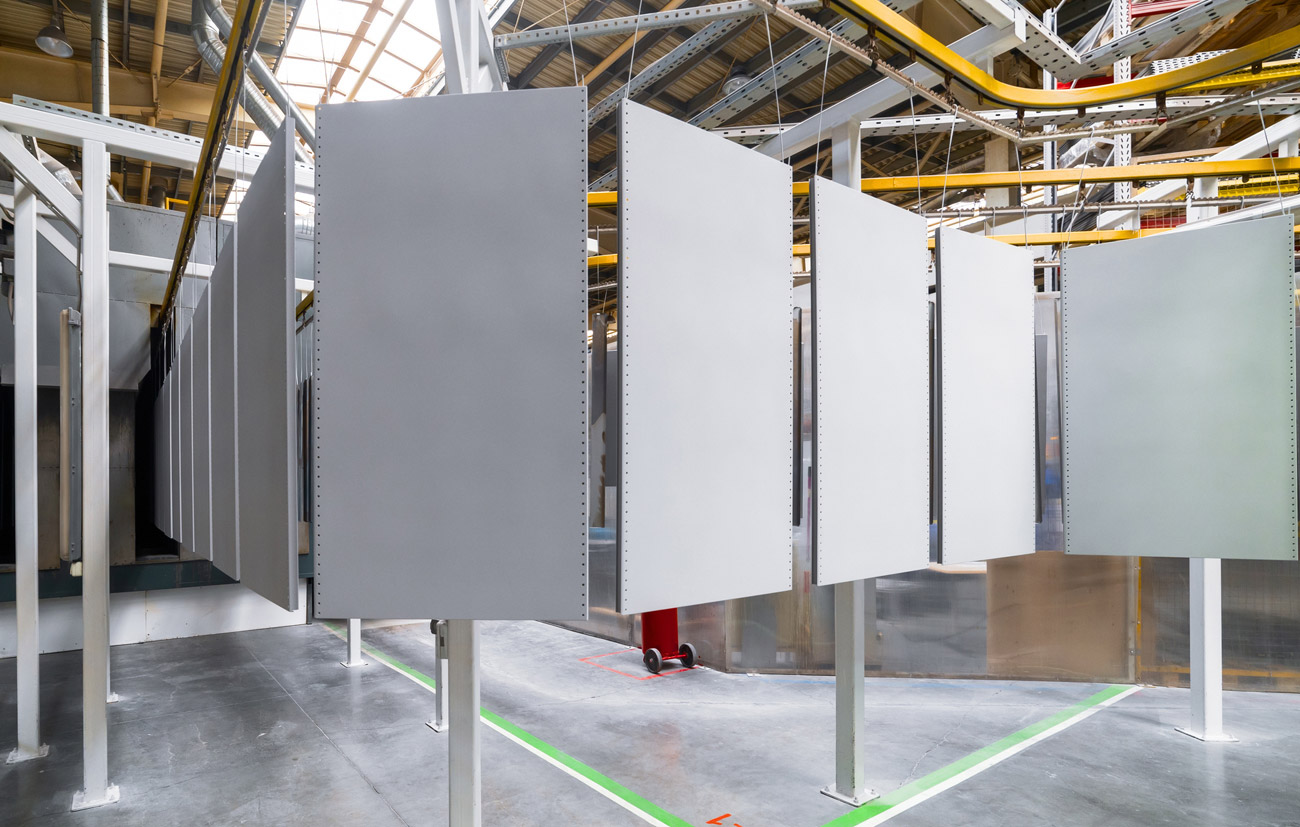
Automatic Spray Systems: These systems are automated and designed for high-volume production, offering increased precision and consistency.
Robotic Spray Systems: These systems utilize robots to perform the paint application, ensuring consistent quality and high throughput.
Factors Affecting Electrostatic Paint Spraying Efficiency and Precision
Several factors influence the efficiency and precision of electrostatic paint spraying, including:
Paint Properties: The viscosity, conductivity, and surface tension of the paint can affect its charging characteristics and application efficiency.
Spray Gun Settings: The spray gun’s voltage, air pressure, and nozzle size influence the paint particle charge and spray pattern, impacting the quality and uniformity of the coating.
Workpiece Geometry: The shape and size of the workpiece affect the paint distribution and potential for overspray.
Environmental Conditions: Temperature, humidity, and air movement can impact the paint’s charging and drying characteristics, potentially affecting the quality of the coating.
Optimizing Electrostatic Paint Spraying for Maximum Efficiency and Precision
To achieve optimal results with electrostatic paint spraying, it is essential to consider the following factors:
Proper Equipment Selection: Choosing the appropriate spray gun and system for the specific application is crucial for ensuring efficient and precise paint application.
Paint Selection and Preparation: Selecting the right paint with suitable viscosity, conductivity, and surface tension is essential for optimal charging and application.
Accurate Spray Gun Settings: Adjusting the spray gun’s voltage, air pressure, and nozzle size based on the specific paint and workpiece ensures consistent and efficient paint application.
Workpiece Preparation: Properly preparing the workpiece by cleaning and masking it ensures a smooth and uniform coating.
Environmental Control: Maintaining optimal temperature, humidity, and air movement conditions minimizes the potential for variations in paint charging and drying.
Conclusion
Electrostatic paint spraying stands as a highly efficient and precise method for applying coatings to a wide range of surfaces. Its ability to leverage electrostatic attraction for even and uniform paint distribution makes it a valuable tool for industries seeking to optimize their coating processes. By understanding the science behind electrostatic paint spraying, selecting the appropriate equipment, and carefully considering the factors influencing efficiency and precision, manufacturers can leverage this technology to achieve superior finishes and enhance their overall productivity.
Electrostatic Paint Spraying Service: Efficiency and Precision for Superior Finishes
Post a Comment for "Electrostatic Paint Spraying Service: Efficiency And Precision"