Easy Landscape Painting with Watercolors: Tips and Ideas for Beginners

Watercolor painting offers a unique and captivating experience, allowing artists to capture the beauty of landscapes with vibrant hues and delicate washes. While mastering the art of watercolor can take time and practice, creating beautiful landscape paintings is achievable even for beginners. This comprehensive guide provides essential tips, techniques, and inspiring ideas to guide you on your journey to creating stunning watercolor landscapes.
Understanding Watercolor Basics
Watercolor, as its name suggests, is a transparent medium where pigments are suspended in water. This transparency allows for layering and blending, creating subtle transitions and luminous effects. The key to successful watercolor painting lies in understanding the interplay between water and pigment.
1. Mastering the Wash:
The Wet-on-Wet Technique: Apply washes of watercolor to damp paper, allowing the colors to blend and create soft transitions. This technique is ideal for creating atmospheric skies, distant mountains, and flowing water.
The Wet-on-Dry Technique: Apply washes of watercolor to dry paper, resulting in more defined edges and sharper transitions. This technique is suitable for depicting trees, rocks, and other details in the foreground.

2. Utilizing Color Mixing:
Primary Colors: Red, yellow, and blue are the foundation of all colors. Experiment with mixing these primary colors to create a wide range of secondary and tertiary colors.
Warm and Cool Colors: Warm colors (reds, oranges, yellows) evoke feelings of warmth and energy, while cool colors (blues, greens, purples) suggest calmness and serenity. Use this knowledge to create depth and mood in your landscapes.
Complementary Colors: Colors opposite each other on the color wheel (e.g., red and green, blue and orange) create vibrant contrasts when placed next to each other. This can add visual interest and emphasize specific elements in your painting.

3. Employing Watercolor Techniques:
Glazing: Applying thin, transparent layers of watercolor over previously dried layers to create depth and luminosity.
Lifting: Using a damp brush or sponge to remove watercolor paint from the paper, creating lighter areas or revealing the white paper underneath.
Salt Technique: Sprinkle salt onto a wet wash to create interesting textures and patterns as the water evaporates.
Masking Fluid: Apply masking fluid to areas you want to keep white or protect from paint. The masking fluid can be removed after the paint dries, revealing the protected areas.
4. Choosing the Right Paper:
Watercolor Paper: Specifically designed for watercolor painting, it is thicker and more absorbent than regular paper.
Cold-Pressed Paper: Has a slightly textured surface, providing a good balance between smoothness and texture.
Hot-Pressed Paper: Has a smoother surface, ideal for detailed work and precise brushstrokes.
5. Selecting the Appropriate Brushes:
Round Brushes: Versatile for a variety of strokes, from fine lines to broad washes.
Flat Brushes: Ideal for covering large areas and creating smooth washes.
Fan Brushes: Used for creating soft, feathery effects, such as trees and clouds.
6. Setting Up Your Workspace:
Light Source: Natural light is preferred for watercolor painting, as it allows for accurate color perception.
Work Surface: A flat, stable surface is essential for preventing your paper from warping or buckling.
Palettes: Use a palette to hold your watercolors and mix colors.
Landscape Painting Tips for Beginners
1. Start with Simple Landscapes:
Begin with landscapes that have fewer details and simpler compositions. A single tree against a sunset sky or a rolling hill with a stream can be excellent starting points.
2. Focus on Values:
Values refer to the lightness or darkness of a color. Mastering values is crucial for creating depth and dimension in your landscapes. Use a grayscale value chart to help you understand the tonal relationships in your landscape.
3. Utilize Negative Space:
Negative space is the area around and between the subject matter. By understanding negative space, you can create a balanced composition and enhance the visual impact of your painting.
4. Practice Perspective:
Perspective is the illusion of depth and distance in a painting. Learn the basic principles of linear perspective to create believable landscapes.
5. Observe Nature:
Spend time observing landscapes in real life. Pay attention to the shapes, colors, textures, and light and shadow patterns. This will help you translate your observations into your paintings.
6. Use Reference Photos:
Reference photos can be invaluable for capturing details and composition. Choose photos that inspire you and use them as a guide for your painting.
7. Don’t Be Afraid to Experiment:
Watercolor is a forgiving medium. Experiment with different techniques and colors to find your own style. Don’t be afraid to make mistakes; they are part of the learning process.
8. Embrace the Unexpected:
Watercolor can be unpredictable, and sometimes the best results come from embracing the unexpected. Allow the paint to flow and create organic shapes and textures.
Landscape Painting Ideas for Inspiration
1. Scenic Views:
Capture the beauty of mountains, forests, lakes, and oceans. Experiment with different perspectives and compositions to create unique and captivating scenes.
2. Cityscapes:
Paint the urban landscape, focusing on the architecture, streets, and people. Use bold colors and contrasting values to create a vibrant and dynamic scene.
3. Rural Landscapes:
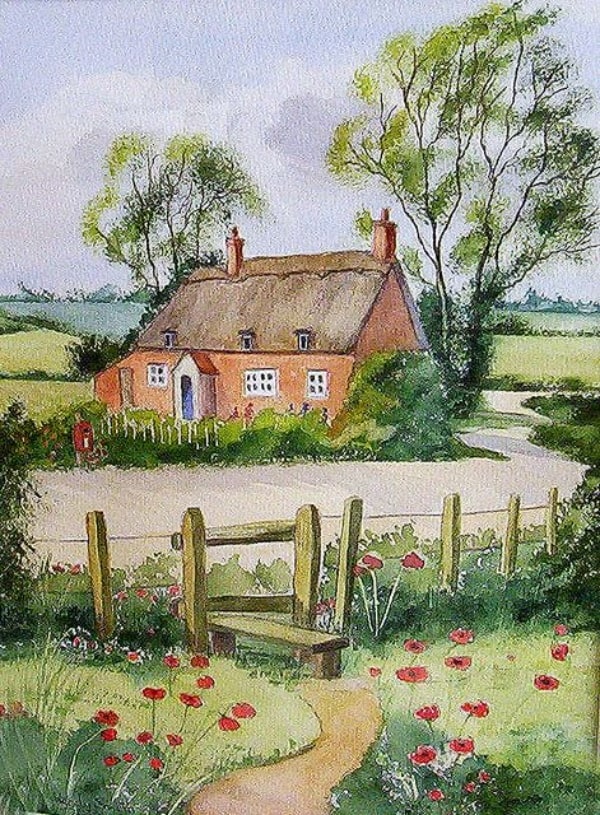
Depict the tranquility of farmlands, meadows, and small towns. Use soft colors and delicate washes to create a peaceful and serene atmosphere.
4. Abstract Landscapes:
Explore the abstract side of landscape painting by simplifying shapes, colors, and textures. Create a mood or feeling through the use of color and composition.
5. Seasons and Weather:
Paint landscapes that reflect different seasons and weather conditions. Capture the warmth of summer, the crispness of autumn, the stillness of winter, and the energy of a stormy day.
6. Night Landscapes:
Experiment with painting landscapes at night. Use dark blues, purples, and blacks to create a sense of mystery and serenity.
7. Imaginary Landscapes:
Create your own imaginary landscapes, drawing inspiration from your imagination and dreams. Explore fantastical settings and creatures, using vibrant colors and textures.
8. Landscapes with Figures:
Add figures to your landscapes to create a sense of scale and narrative. Use figures to guide the viewer’s eye and add a human element to the scene.
9. Landscapes with Animals:
Include animals in your landscapes to enhance the natural setting. Paint birds in flight, deer grazing in a meadow, or fish swimming in a stream.
10. Landscapes with Plants and Flowers:
Focus on the details of plants and flowers in your landscapes. Capture the delicate petals of a flower, the intricate patterns of leaves, or the graceful branches of a tree.
Conclusion:
Landscape painting with watercolors is a rewarding and enjoyable experience. By understanding the basics of watercolor and incorporating these tips and ideas, you can create stunning and expressive landscape paintings. Remember to practice regularly, observe nature, and most importantly, have fun! The beauty of watercolor lies in its ability to capture the essence of the natural world with vibrant colors and delicate washes. Let your imagination soar and enjoy the journey of artistic expression.
Easy Landscape Painting with Watercolors: Tips and Ideas for Beginners
Post a Comment for "Easy Landscape Painting With Watercolors: Tips And Ideas"