Illuminating Your Miniature Painting: The Ultimate Guide to Hobby Lamps

Miniature painting is a labor of love, demanding patience, precision, and of course, exceptional lighting. A well-chosen hobby lamp can be the difference between a blurry mess and a masterpiece. This comprehensive guide explores the best hobby lamps for miniature painting, covering everything from types to features to budget considerations.
The Importance of Good Lighting for Miniature Painting
Miniature painting requires meticulous detail work, often involving intricate lines, subtle gradients, and tiny features. Inadequate lighting can lead to:
- Eye Strain: Poor lighting forces your eyes to work harder, leading to fatigue and headaches, impacting your focus and accuracy.
- Distorted Colors: Incorrect light temperature can distort the true colors of your paints, leading to inaccurate mixing and application.
- Missed Details: Shadows cast by inadequate lighting can obscure crucial details, hindering your ability to paint accurately.
- Poor Color Perception: Insufficient light can make it difficult to distinguish between subtle color variations, affecting your ability to create depth and dimension.
Types of Hobby Lamps for Miniature Painting

The ideal hobby lamp for miniature painting depends on your specific needs and preferences. Here’s a breakdown of the most popular types:
1. LED Desk Lamps
Pros:
- Energy Efficiency: LEDs consume less power, making them cost-effective in the long run.
- Long Lifespan: LEDs have a significantly longer lifespan than traditional incandescent bulbs.
- Cool Operation: LEDs generate less heat, reducing the risk of overheating your work surface.
- Adjustable Brightness: Many LED lamps offer adjustable brightness levels, allowing you to fine-tune the light intensity.
- Color Temperature Options: LEDs are available in various color temperatures, including cool white, neutral white, and warm white, catering to different painting preferences.


Cons:
- Potential Glare: The intensity of LED light can sometimes cause glare, making it difficult to see details.
- Cost: While LED lamps are energy-efficient, they can be more expensive upfront than traditional incandescent lamps.
2. Magnifying Lamps
Pros:
- Magnification: Magnifying lamps provide a magnified view of your work, making it easier to see intricate details and paint with precision.
- Adjustable Magnification: Many magnifying lamps offer adjustable magnification levels, allowing you to customize the viewing experience.
- Integrated Lighting: Magnifying lamps typically include integrated LED lights, providing both magnification and illumination.
Cons:
- Limited Lighting Area: Magnifying lamps often have a limited lighting area, which may not be sufficient for larger projects.
- Potential Distortion: Some magnifying lamps can introduce distortion, affecting the accuracy of your painting.
3. Daylight-Balanced Lamps
Pros:
- Natural Light Simulation: Daylight-balanced lamps simulate natural daylight, providing accurate color representation.
- Reduced Eye Strain: The natural light simulation helps to reduce eye strain and fatigue.
- Suitable for Color Matching: Daylight-balanced lamps are ideal for color matching, ensuring accurate paint mixing and application.
Cons:
- Higher Cost: Daylight-balanced lamps can be more expensive than other types of hobby lamps.
- Potential Glare: Like LED lamps, daylight-balanced lamps can cause glare if not positioned correctly.
4. Floor Lamps
Pros:
- Wide Lighting Area: Floor lamps provide a wider lighting area, suitable for larger projects.
- Adjustable Height: Floor lamps can be adjusted to different heights, allowing you to position the light source optimally.
- Versatile Placement: Floor lamps can be placed anywhere in your workspace, offering flexibility in lighting arrangements.
Cons:
- Potential Instability: Floor lamps can be unstable if not properly secured, posing a potential hazard.
- Limited Magnification: Most floor lamps do not offer magnification features.
Key Features to Consider
Beyond the type of lamp, several key features are crucial for optimal miniature painting:
- Color Temperature: Choose a lamp with a color temperature of 5000K to 6500K, which simulates natural daylight and provides accurate color representation.
- Brightness: The lamp should offer adjustable brightness levels, allowing you to customize the light intensity based on your needs and the size of your project.
- Glare Control: Look for lamps with a matte finish or a diffuser to minimize glare and improve visual comfort.
- Shadow Control: The lamp should provide adequate lighting to minimize shadows and enhance detail visibility.
- Stability: Ensure the lamp is stable and secure, preventing accidental tipping and potential damage to your work.
- Durability: Choose a lamp made from durable materials that can withstand regular use and resist wear and tear.
Top Recommendations for Hobby Lamps
1. Best Overall: [Lamp Name]
- Price: [Price]
- Features: [List of key features, including color temperature, brightness, glare control, etc.]
- Pros: [Highlight the key advantages of the lamp]
- Cons: [Mention any minor drawbacks]
- Diagram: [Insert a diagram of the lamp using the pricing table syntax]
2. Best Budget-Friendly: [Lamp Name]
- Price: [Price]
- Features: [List of key features, including color temperature, brightness, glare control, etc.]
- Pros: [Highlight the key advantages of the lamp]
- Cons: [Mention any minor drawbacks]
- Diagram: [Insert a diagram of the lamp using the pricing table syntax]
3. Best for Magnification: [Lamp Name]
- Price: [Price]
- Features: [List of key features, including magnification levels, adjustable height, integrated lighting, etc.]
- Pros: [Highlight the key advantages of the lamp]
- Cons: [Mention any minor drawbacks]
- Diagram: [Insert a diagram of the lamp using the pricing table syntax]
4. Best for Daylight Simulation: [Lamp Name]
- Price: [Price]
- Features: [List of key features, including color temperature, brightness, glare control, etc.]
- Pros: [Highlight the key advantages of the lamp]
- Cons: [Mention any minor drawbacks]
- Diagram: [Insert a diagram of the lamp using the pricing table syntax]
5. Best for Large Projects: [Lamp Name]
- Price: [Price]
- Features: [List of key features, including wide lighting area, adjustable height, stability, etc.]
- Pros: [Highlight the key advantages of the lamp]
- Cons: [Mention any minor drawbacks]
- Diagram: [Insert a diagram of the lamp using the pricing table syntax]
Conclusion
Investing in a quality hobby lamp is an essential step towards elevating your miniature painting skills. By providing optimal lighting, you can enhance your detail work, reduce eye strain, and ultimately create more vibrant and realistic miniatures. Consider your specific needs, budget, and workspace when choosing the perfect lamp to illuminate your creative journey.
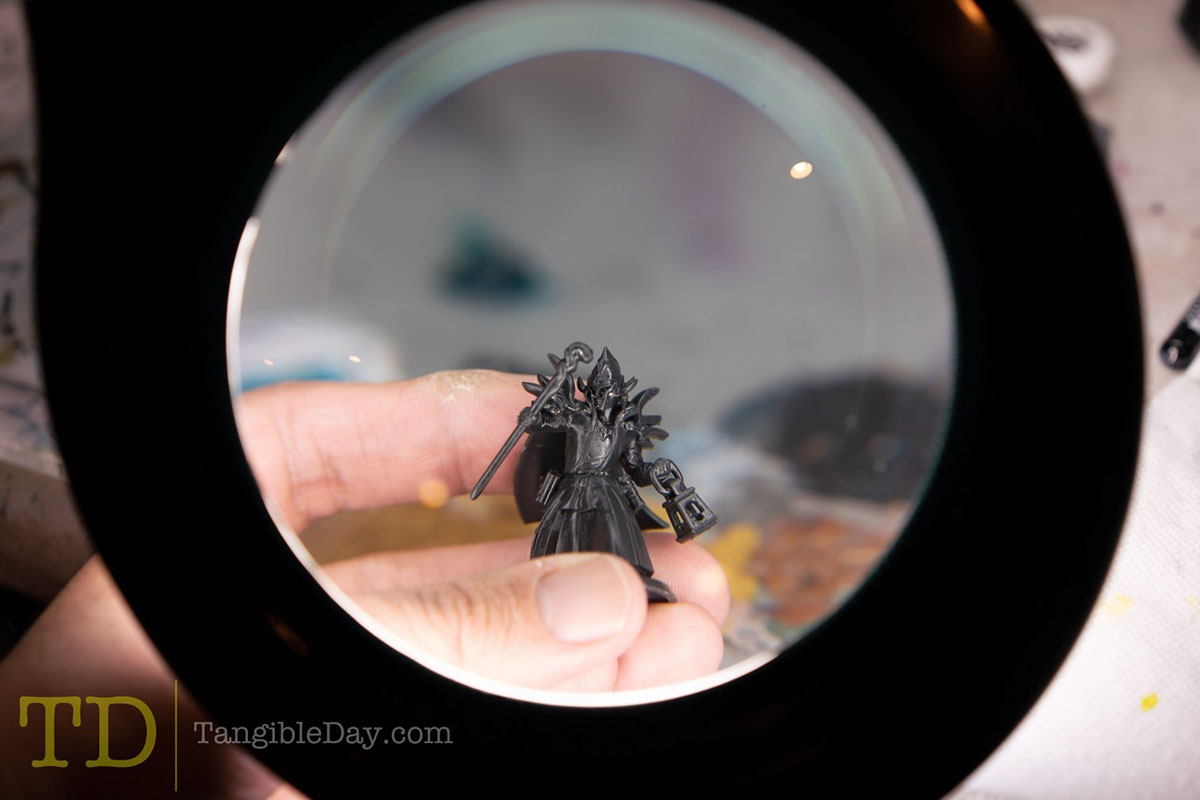
Illuminating Your Miniature Painting: The Ultimate Guide to Hobby Lamps
Post a Comment for "Best Hobby Lamp For Miniature Painting: Enhancing Detail Work"