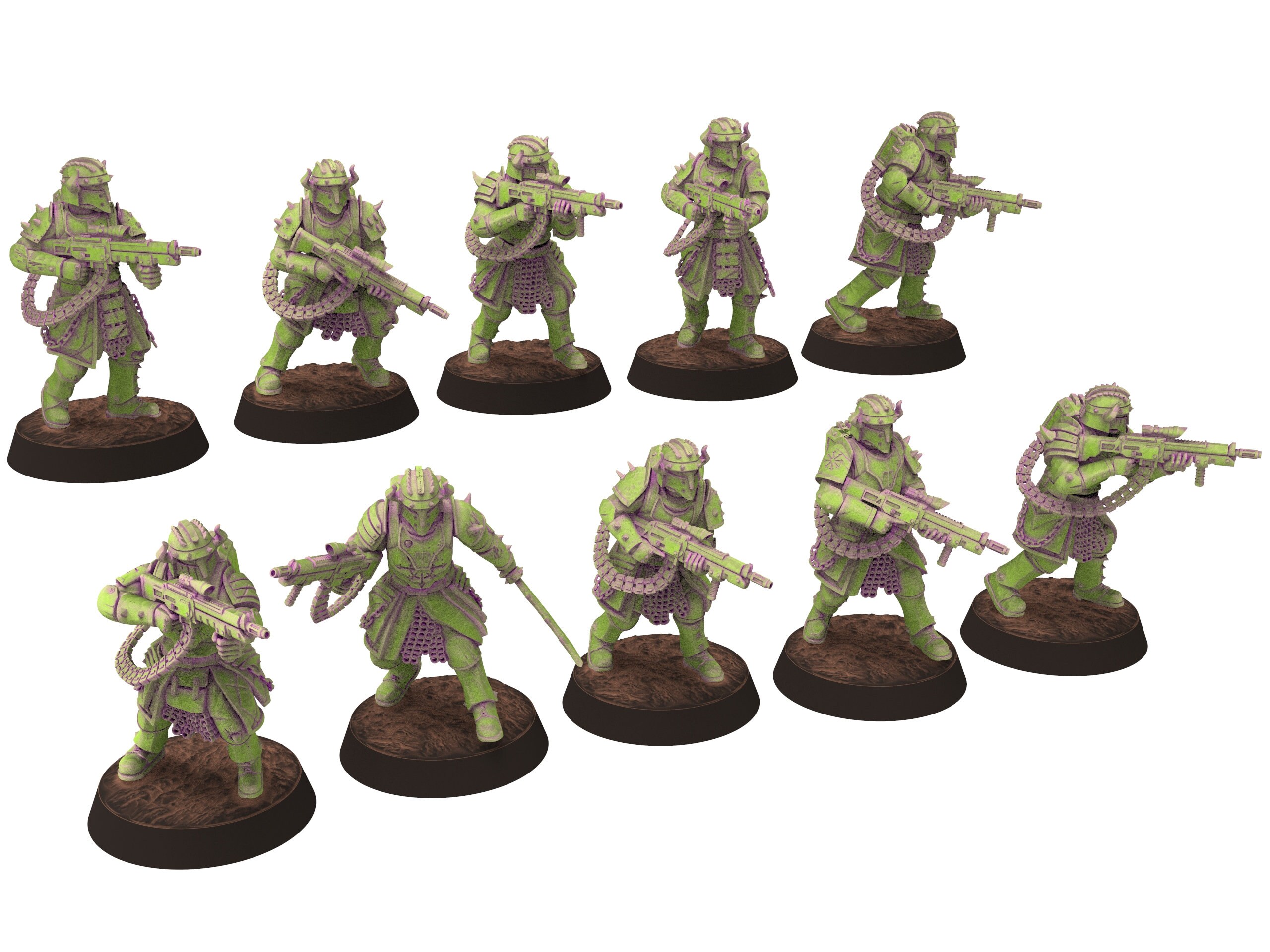
Toy Tale: Unraveling the Charms of Painted Toy Soldiers
Introduction
Painted toy soldiers, with their intricate details and timeless appeal, have captivated imaginations for centuries. These miniature masterpieces, meticulously crafted and hand-painted, evoke a sense of nostalgia and wonder. In this comprehensive exploration, we delve into the enchanting world of painted toy soldiers, uncovering their origins, evolution, and enduring popularity.
Historical Origins
The earliest known painted toy soldiers date back to ancient Egypt, where they were crafted from wood or clay. These figures, often depicting pharaohs and their armies, served both as playthings and ceremonial objects. In medieval Europe, toy soldiers made of lead or pewter became popular among the aristocracy. These highly detailed figures were used for educational purposes, simulating military campaigns and battle strategies.
The Golden Age of Toy Soldiers
The 19th century marked a golden age for painted toy soldiers. The rise of mass production techniques, such as lithography and molding, made these figures more widely available. German toymakers, particularly those in Nuremberg, became renowned for their exquisite craftsmanship and attention to detail. Toy soldiers of this era were often based on historical events and military uniforms, reflecting the growing interest in history and nationalism.
Materials and Techniques
Painted toy soldiers are typically made from a variety of materials, including lead, pewter, plastic, and resin. Lead, once the most common material, has been largely phased out due to safety concerns. Pewter, an alloy of tin and copper, is still widely used for its durability and ability to hold fine detail. Plastic and resin are more recent materials, offering greater flexibility in design and affordability.
The painting process is a meticulous art form, requiring steady hands and a keen eye for detail. Traditional techniques involve using oil or acrylic paints, applied with fine brushes. Modern methods may incorporate airbrushing or digital printing to achieve even greater precision.
Types and Styles
Painted toy soldiers encompass a vast array of types and styles. Historical figures, such as Roman legionaries or Napoleonic soldiers, are popular subjects. Fantasy and science fiction characters, from medieval knights to futuristic space marines, also feature prominently. Some collectors specialize in specific periods or themes, such as the American Civil War or the Napoleonic Wars.
Collecting and Display
Collecting painted toy soldiers has become a popular hobby worldwide. Collectors often display their figures in custom-built dioramas or shadow boxes, creating miniature battle scenes or historical vignettes. Museums and private collections showcase exceptional examples of toy soldier craftsmanship, offering a glimpse into the artistry and history of these beloved collectibles.
Investment Value
Rare and highly detailed painted toy soldiers can command significant value in the collectors’ market. Factors such as age, condition, rarity, and historical significance contribute to their worth. Some collectors view their toy soldier collections as both a source of enjoyment and a potential investment.
Conclusion
Painted toy soldiers are more than just playthings; they are works of art that capture the imagination and evoke a sense of history. From their ancient origins to their enduring popularity, these miniature masterpieces continue to fascinate and inspire. Whether you are a seasoned collector or a curious admirer, the world of painted toy soldiers offers a timeless treasure to be cherished.
Additional Information
Recommended Diorama Display Materials
| Material | Description |
|---|---|
| MDF (Medium-Density Fiberboard) | Lightweight and easy to cut, ideal for baseboards and structures |
| Balsa Wood | Lightweight and flexible, suitable for terrain and foliage |
| Foam Core | Lightweight and inexpensive, perfect for creating hills and other landscape features |
| Acrylic Paints | Water-based and easy to use, suitable for painting figures and scenery |
| Model Glue | Strong and durable, essential for assembling dioramas |
Tips for Painting Toy Soldiers
- Use a magnifying glass to ensure precision in detail painting.
- Apply thin layers of paint and allow each layer to dry completely.
- Use a variety of brush sizes to achieve different effects.
- Experiment with washes and glazes to add depth and realism.
- Protect your finished figures with a clear coat varnish.
Post a Comment for "Toy Tale: Unraveling The Charms Of Painted Toy Soldiers"