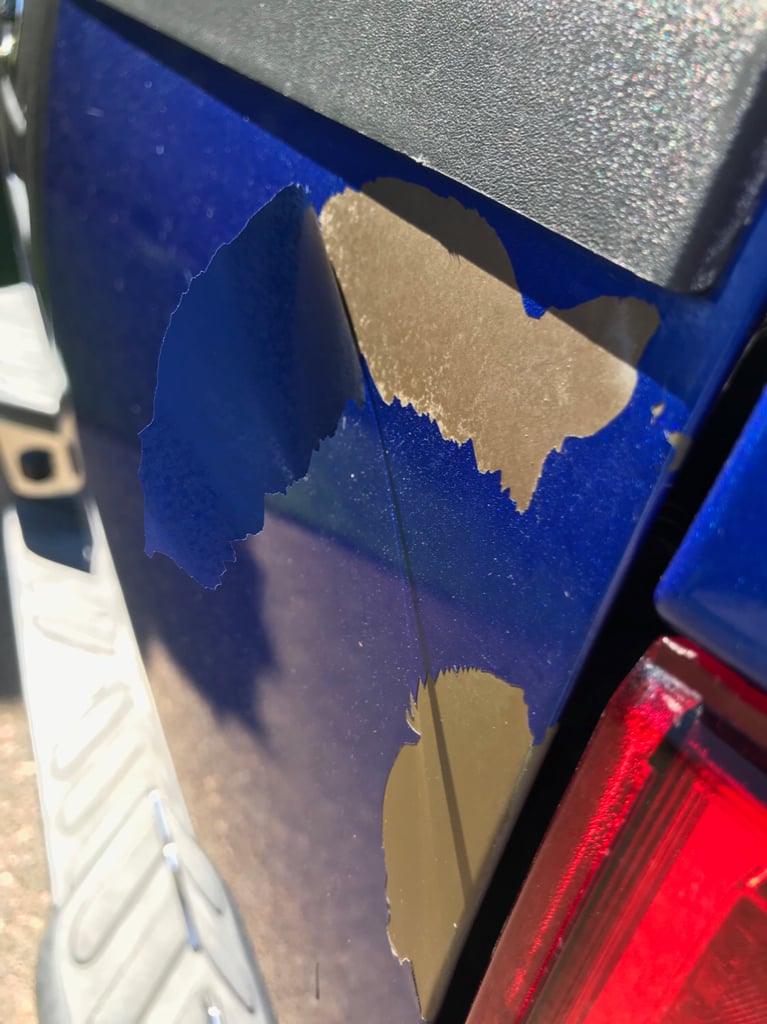
Peeling the Truth: Why Is Nissan Paint So Bad?
Nissan, a renowned Japanese automaker, has been facing criticism for the subpar quality of its paint jobs. While the brand has a reputation for producing reliable and well-engineered vehicles, its paintwork has consistently fallen short of expectations. This article delves into the reasons behind Nissan’s paint problems, exploring the underlying factors that have led to this widespread issue.
Inferior Paint Materials
One of the primary reasons for Nissan’s poor paint quality lies in the use of inferior paint materials. The automaker has been accused of cutting corners by using low-cost paints that lack durability and resistance to environmental factors. These paints are more susceptible to chipping, peeling, and fading, especially in harsh weather conditions.
Inadequate Paint Application
In addition to using subpar materials, Nissan has also been criticized for its inadequate paint application process. The paint is often applied too thinly, resulting in a lack of protection for the underlying metal. This thin layer of paint is more prone to damage from road debris, UV rays, and other environmental hazards.
Lack of Quality Control
Nissan’s paint problems can also be attributed to a lack of quality control in its manufacturing process. The automaker has been known to rush vehicles through production, leading to inconsistencies in the paint application and finish. This lack of attention to detail results in paint defects, such as uneven coverage, orange peel, and premature fading.
Environmental Factors
While Nissan’s paint quality is undoubtedly a concern, it is important to note that environmental factors can also contribute to paint damage. Exposure to extreme temperatures, UV radiation, and road salt can accelerate the deterioration of even high-quality paint jobs. However, Nissan’s use of inferior materials and inadequate application techniques exacerbates the problem, making its vehicles more vulnerable to environmental damage.
Impact on Vehicle Value
The poor paint quality of Nissan vehicles has a significant impact on their resale value. Buyers are less likely to pay top dollar for a car with peeling or faded paint, which can result in a lower trade-in or resale price. This issue not only affects the individual owners but also damages the overall brand reputation of Nissan.
Addressing the Problem
Nissan has acknowledged the paint problems affecting its vehicles and has taken steps to address the issue. The automaker has implemented new quality control measures and invested in improved paint materials and application techniques. However, it remains to be seen whether these changes will be sufficient to resolve the long-standing paint issues associated with Nissan vehicles.
Conclusion
Nissan’s paint problems are a complex issue with multiple contributing factors. The use of inferior materials, inadequate paint application, lack of quality control, and environmental factors have all played a role in the automaker’s poor paint performance. While Nissan has taken steps to address the problem, it remains to be seen whether these measures will be effective in restoring the brand’s reputation for high-quality paint jobs.
Post a Comment for "Peeling The Truth: Why Is Nissan Paint So Bad?"