Paint Can Candles: Creative Reuse for Artistic Ambiance
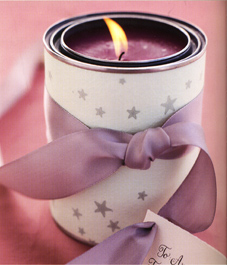
Table of Content
Introduction
In the realm of home decor, the allure of handcrafted accents is undeniable. Paint can candles, a unique and eco-conscious fusion of artistry and functionality, offer a captivating way to illuminate your space while embracing the principles of sustainability. This article delves into the captivating world of paint can candles, exploring their origins, crafting techniques, design variations, and the myriad ways they can enhance your home’s aesthetic appeal.
The Genesis of Paint Can Candles
The concept of repurposing paint cans into candles originated from a desire to transform discarded materials into something beautiful and functional. The sturdy metal construction of paint cans provides an ideal vessel for candle wax, ensuring a stable and long-lasting candle holder. The inherent rustic charm of paint cans adds a touch of industrial chic to any setting, seamlessly blending with a variety of interior design styles.
Crafting Your Own Paint Can Candles
Creating your own paint can candles is a rewarding and relatively straightforward process. Here’s a step-by-step guide to get you started:
1. Gather Your Materials
- Paint cans: Choose cans in various sizes and shapes to suit your design preferences.
- Candle wax: Soy wax, beeswax, or paraffin wax are popular choices, each offering unique characteristics in terms of scent, burn time, and environmental impact.
- Wicks: Select wicks appropriate for the size of your paint cans and the type of wax you’re using.
- Essential oils or fragrance oils: Infuse your candles with delightful aromas to create a personalized sensory experience.
- Double boiler or heat-safe pot and bowl: For melting the wax safely.
- Thermometer: To monitor the wax temperature during the melting process.
- Wooden skewers or chopsticks: For centering the wicks in the cans.
- Heat-resistant gloves: For handling hot materials.


2. Prepare the Paint Cans
- Clean the cans thoroughly: Remove any remaining paint residue, labels, or debris.
- Dry the cans completely: Ensure they are free of moisture to prevent any potential issues during the candle-making process.
- Create a wick holder: If necessary, drill a small hole in the center of the can’s lid for the wick to pass through. You can also use a pre-made wick sticker for easier placement.

3. Melt the Wax
- Fill the double boiler or pot with water and bring it to a simmer.
- Place the wax in the bowl or heat-safe pot.
- Monitor the wax temperature using a thermometer.
- Once the wax is fully melted, remove it from the heat source.
4. Add Fragrance and Color
- If desired, add essential oils or fragrance oils to the melted wax.
- Stir gently to ensure the fragrance is evenly distributed.
- For colored candles, add candle dye to the melted wax and stir thoroughly.
5. Pour the Wax
- Carefully pour the melted wax into the prepared paint cans.
- Leave about an inch of space at the top of the can for the wax to expand as it cools.
- Center the wick in the can using a wooden skewer or chopstick.
- Allow the wax to cool and solidify completely.
6. Trim the Wick
- Once the wax has hardened, trim the wick to about ¼ inch.
- This ensures a clean and even burn.
7. Enjoy Your Candles!
Design Variations
The beauty of paint can candles lies in their versatility. You can customize them to reflect your unique style and preferences. Here are some inspiring design ideas:
- Rustic Charm: Embrace the raw appeal of paint cans by leaving them in their original condition, perhaps with a touch of distressed paint or rust.
- Modern Minimalism: Opt for sleek, minimalist designs by painting the cans in solid colors or using metallic finishes.
- Vintage Elegance: Create a vintage aesthetic by applying decoupage techniques or adding antique-inspired embellishments.
- Personalized Touches: Personalize your candles by adding monograms, initials, or meaningful quotes.
- Seasonal Themes: Decorate your candles with seasonal motifs, such as pumpkins for fall, snowflakes for winter, or flowers for spring.
Safety Precautions
While crafting paint can candles is a rewarding experience, it’s crucial to prioritize safety. Always:
- Work in a well-ventilated area.
- Use heat-resistant gloves and protective eyewear.
- Keep flammable materials away from the work area.
- Never leave burning candles unattended.
- Place candles on a stable, heat-resistant surface.
- Avoid burning candles near drafts or curtains.
Environmental Considerations
Paint can candles embody the principles of sustainability by giving new life to discarded materials. By repurposing paint cans, you contribute to reducing waste and minimizing your environmental footprint.
Conclusion
Paint can candles offer a unique and captivating way to illuminate your space while embracing the principles of sustainability. From their humble origins to the diverse design possibilities, these handcrafted accents provide a touch of artistic ambiance to any setting. By following the crafting techniques outlined above and embracing your creative vision, you can create a collection of personalized candles that reflect your individual style and enhance the beauty of your home.
Paint Can Candle: A Comprehensive Guide to Repurposing and Crafting
Introduction
The world of candle crafting has witnessed a surge in innovative approaches, with repurposing materials taking center stage. Paint can candles stand out as a creative and eco-conscious choice, seamlessly blending functionality with aesthetic appeal. This comprehensive guide delves into the nuances of creating these unique candles, covering everything from selecting the right materials to mastering intricate design techniques.
The Art of Repurposing: Unveiling the Potential of Paint Cans
Repurposing is not merely a trend; it’s a conscious effort to breathe new life into discarded objects, fostering a sustainable lifestyle. Paint cans, often relegated to the recycling bin, possess the inherent qualities to become stunning candle holders. Their sturdy metal construction offers durability, while their cylindrical form provides an ideal vessel for wax.
Choosing the Right Paint Cans for Your Candle Project
The selection of paint cans is crucial, influencing both the aesthetic and functional aspects of your candles. Here’s a breakdown of factors to consider:
- Size and Shape: Paint cans come in a variety of sizes, ranging from small sample cans to larger gallon containers. Choose sizes that align with your desired candle dimensions and the overall aesthetic you envision.
- Material: Most paint cans are made of steel, offering durability and heat resistance. However, you may encounter cans made from other materials, such as plastic or aluminum.
- Condition: The condition of the paint cans plays a significant role in their final appearance. Opt for cans with minimal rust or damage, as these can be easily addressed with cleaning and finishing techniques.
- Style: Consider the aesthetic you’re aiming for. Vintage paint cans with faded labels can add a rustic charm, while sleek, modern cans offer a minimalist appeal.
Mastering the Craft: A Step-by-Step Guide to Creating Paint Can Candles
1. Gather Your Supplies
- Paint Cans: Choose cans based on your desired size, shape, and aesthetic preferences.
- Candle Wax: Soy wax, beeswax, and paraffin wax are popular choices, each with unique characteristics:
- Soy Wax: A natural, renewable wax known for its clean burn, long burn time, and ability to hold fragrance well.
- Beeswax: A natural wax with a honey-like scent, excellent burn time, and a slightly harder texture.
- Paraffin Wax: A petroleum-based wax, readily available, offering a bright flame and a smooth texture.
- Wicks: Select wicks that are appropriate for the size of your paint cans and the type of wax you’re using. Consult wick sizing charts for guidance.
- Essential Oils or Fragrance Oils: Add a touch of aroma to your candles with essential oils or fragrance oils. Choose scents that complement your design and personal preferences.
- Double Boiler or Heat-Safe Pot and Bowl: For melting the wax safely.
- Thermometer: To monitor the wax temperature during the melting process.
- Wooden Skewers or Chopsticks: For centering the wicks in the cans.
- Heat-Resistant Gloves: For handling hot materials.
- Optional Supplies:
- Candle Dye: To add color to your candles.
- Decorative Elements: For embellishing your candles, such as dried flowers, shells, or glitter.
- Sandpaper: For smoothing rough edges on the paint cans.
- Paint: For customizing the appearance of the cans.
2. Prepare the Paint Cans
- Clean Thoroughly: Remove any remaining paint residue, labels, or debris. You can use soap and water, a degreaser, or a combination of both.
- Dry Completely: Ensure the cans are free of moisture to prevent any potential issues during the candle-making process.
- Create a Wick Holder: If your paint can lid doesn’t have a pre-existing hole for the wick, you’ll need to create one. You can use a drill, a hammer and nail, or a specialized wick sticker.
- Drilling: Use a drill bit slightly smaller than the diameter of your wick. Drill a hole in the center of the lid.
- Hammer and Nail: Carefully hammer a nail through the center of the lid. Remove the nail, leaving a hole for the wick.
- Wick Sticker: These adhesive stickers have a pre-cut hole designed to hold the wick securely.
3. Melt the Wax
- Fill the double boiler or pot with water and bring it to a simmer. The water should be hot enough to melt the wax but not boiling.
- Place the wax in the bowl or heat-safe pot. Ensure the wax is completely submerged in the water bath.
- Monitor the wax temperature using a thermometer. The melting point of wax varies depending on the type, so consult the wax instructions for the appropriate temperature.
- Once the wax is fully melted, remove it from the heat source. Allow the wax to cool slightly before proceeding.
4. Add Fragrance and Color (Optional)
- Essential Oils or Fragrance Oils: Add your desired fragrance oils to the melted wax. Start with a small amount and adjust to your preference. Stir gently to ensure the fragrance is evenly distributed.
- Candle Dye: If you want to create colored candles, add candle dye to the melted wax. Start with a small amount and add more as needed to achieve the desired color. Stir thoroughly to ensure the dye is evenly dispersed.
5. Pour the Wax
- Carefully pour the melted wax into the prepared paint cans. Leave about an inch of space at the top of the can to allow for wax expansion as it cools.
- Center the wick in the can using a wooden skewer or chopstick. Ensure the wick is straight and centered.
- Allow the wax to cool and solidify completely. This may take several hours depending on the size of the can and the type of wax.
6. Trim the Wick
- Once the wax has hardened, trim the wick to about ¼ inch. This ensures a clean and even burn.
7. Enjoy Your Candles!
Design Variations: Unleashing Your Creativity
The beauty of paint can candles lies in their versatility. You can customize them to reflect your unique style and preferences. Here are some design ideas:
- Rustic Charm: Embrace the raw appeal of paint cans by leaving them in their original condition, perhaps with a touch of distressed paint or rust.
- Modern Minimalism: Opt for sleek, minimalist designs by painting the cans in solid colors or using metallic finishes.
- Vintage Elegance: Create a vintage aesthetic by applying decoupage techniques or adding antique-inspired embellishments.
- Personalized Touches: Personalize your candles by adding monograms, initials, or meaningful quotes.
- Seasonal Themes: Decorate your candles with seasonal motifs, such as pumpkins for fall, snowflakes for winter, or flowers for spring.
- Layered Designs: Create visually captivating layers by pouring different colors of wax or adding decorative elements between layers.
- Textured Surfaces: Use textured paints, stencils, or other techniques to add depth and dimension to the paint cans.
Safety Precautions
- Work in a well-ventilated area.
- Use heat-resistant gloves and protective eyewear.
- Keep flammable materials away from the work area.
- Never leave burning candles unattended.
- Place candles on a stable, heat-resistant surface.
- Avoid burning candles near drafts or curtains.
- Always extinguish candles before leaving the room or going to sleep.
Environmental Considerations
Repurposing paint cans into candles aligns with sustainable living practices. By giving new life to discarded materials, you reduce waste and minimize your environmental footprint. You can further enhance the sustainability of your project by using natural waxes like soy wax or beeswax and choosing eco-friendly dyes and fragrances.
Conclusion
Crafting paint can candles is a rewarding experience that combines creativity, sustainability, and a touch of DIY magic. By following the steps outlined in this guide, you can transform ordinary paint cans into stunning candle holders that add warmth, ambiance, and a touch of personal style to your home. Remember, the possibilities are endless, and the journey of creating these unique candles is just as fulfilling as the final product. Embrace your creativity and let your imagination guide you as you embark on your paint can candle journey.
Pricing Table
| Item | Price |
|---|---|
| Paint Cans (various sizes) | $1-$5 |
| Soy Wax (1lb) | $10-$15 |
| Beeswax (1lb) | $20-$30 |
| Paraffin Wax (1lb) | $5-$10 |
| Wicks (various sizes) | $2-$5 |
| Essential Oils (1oz) | $5-$15 |
| Fragrance Oils (1oz) | $3-$10 |
| Double Boiler | $20-$40 |
| Thermometer | $5-$15 |
| Wooden Skewers | $1-$3 |
| Heat-Resistant Gloves | $5-$10 |
| Candle Dye | $5-$10 |
| Decorative Elements | $1-$10 |
| Sandpaper | $2-$5 |
| Paint | $5-$15 |
Diagram:
[Diagram of a paint can candle with labeled parts:- Paint Can- Wax- Wick- Lid- Wick Holder (hole in lid)]
Paint Can Candles: Creative Reuse for Artistic Ambiance
Post a Comment for "Paint Can Candles: Creative Reuse For Artistic Ambiance"