Lake Sunset Painting: Capture Nature’s Beauty on Canvas
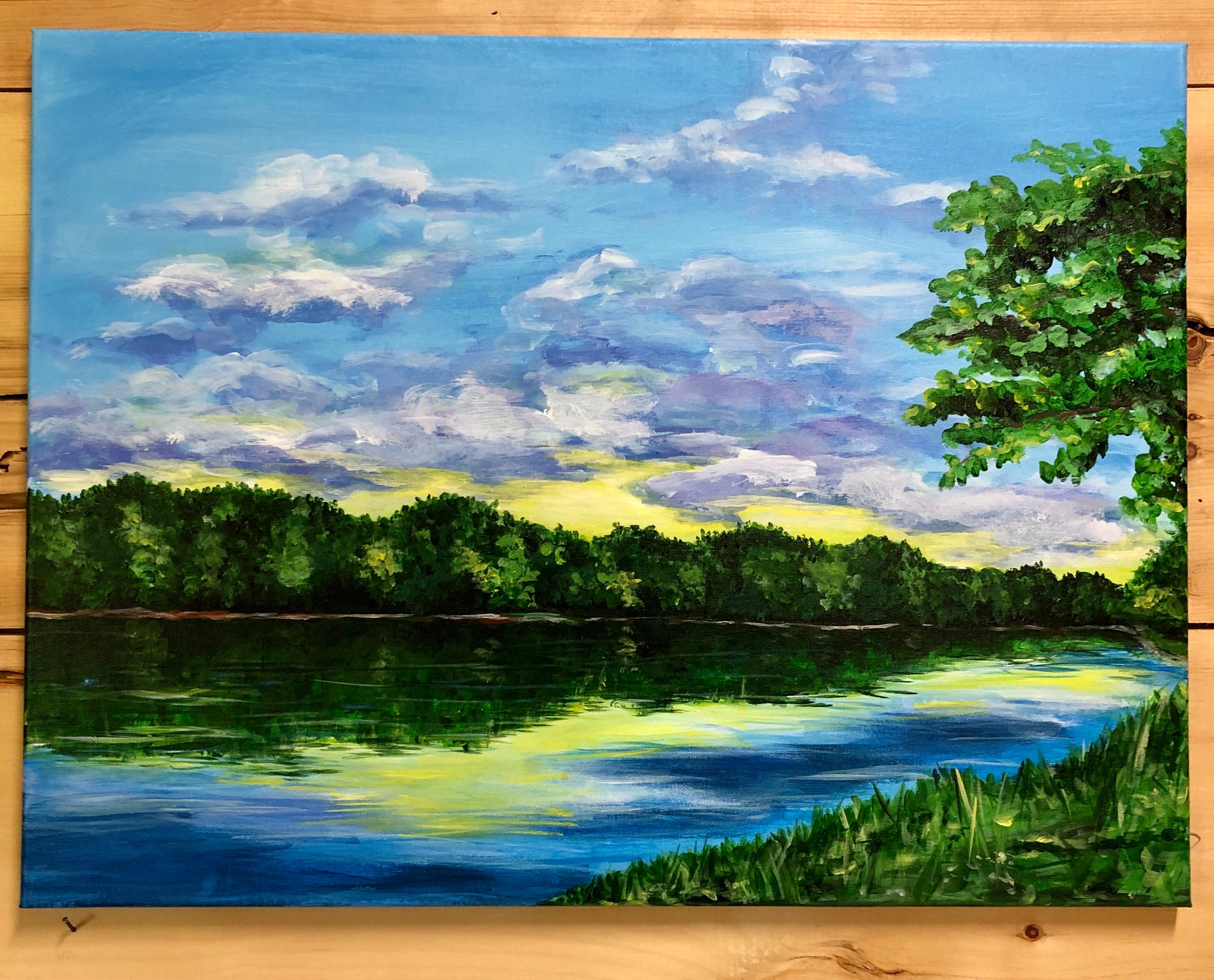
Table of Content
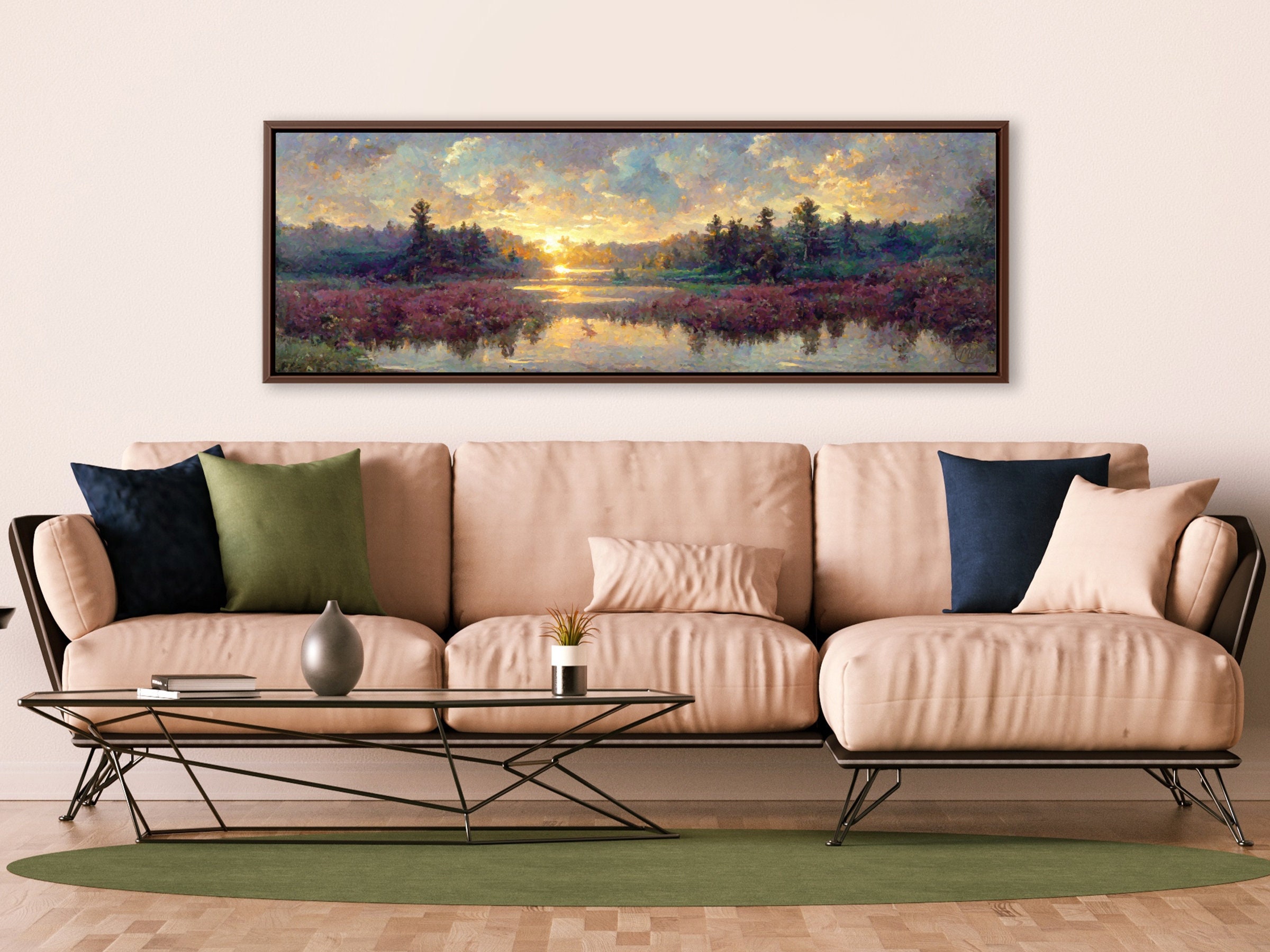
The golden hour, when the sun dips below the horizon, casting long shadows and painting the sky in a vibrant palette of oranges, reds, and purples, is a breathtaking spectacle that inspires artists and nature enthusiasts alike. And what better subject for capturing this fleeting beauty than a tranquil lake, reflecting the fiery sky and mirroring the serenity of the moment?
This article will serve as your comprehensive guide to painting lake sunsets, from understanding the fundamentals of composition and color theory to mastering brushstrokes and techniques. Whether you’re a seasoned artist or just starting your artistic journey, this guide will equip you with the knowledge and inspiration to create captivating and evocative lake sunset paintings.
Understanding the Essence of a Lake Sunset
Before you even pick up your brush, it’s essential to understand the key elements that define a lake sunset. These elements are not merely visual components but also emotional triggers that evoke a sense of peace, tranquility, and awe in the viewer.
1. The Light: The sun’s golden rays, gradually fading into soft hues of pink and purple, are the primary source of light and color in a lake sunset. This light is characterized by its warm, diffused quality, casting long shadows that create depth and dimension in the landscape.
2. The Reflections: The still surface of the lake acts as a mirror, reflecting the vibrant colors of the sky and surrounding landscape. These reflections create a sense of symmetry and harmony, enhancing the beauty of the scene.
3. The Atmosphere: The air at sunset often takes on a hazy, ethereal quality, softening the edges of objects and creating a sense of mystery and tranquility. This atmospheric effect adds depth and richness to the painting, inviting the viewer to step into the scene.
4. The Composition: The arrangement of elements within the painting – the lake, the sky, the shoreline, and any other features – is crucial to creating a balanced and visually engaging composition. Consider using the rule of thirds, leading lines, and focal points to guide the viewer’s eye and create a sense of harmony.
Choosing the Right Materials and Tools
The right tools and materials are crucial for achieving the desired effects in your lake sunset painting. Here’s a breakdown of the essentials:

1. Paints:
- Acrylics: Quick-drying, versatile, and easy to use, acrylics are a popular choice for beginners and experienced artists alike. They offer excellent color vibrancy and blending capabilities, making them ideal for capturing the vibrant hues of a sunset.
- Watercolors: Known for their luminous transparency and soft washes, watercolors are perfect for capturing the delicate nuances of light and color in a sunset. They allow for layering and blending, creating depth and texture in the painting.
- Oils: Offering rich colors, slow drying times, and a smooth, buttery texture, oils are a classic choice for landscape painting. They allow for meticulous detail work and subtle blending, creating a sense of realism and depth.

2. Brushes:
- Round brushes: Versatile and ideal for creating smooth transitions and blending colors.
- Flat brushes: Perfect for covering large areas and creating bold strokes.
- Fan brushes: Excellent for depicting foliage, clouds, and water reflections.
- Angular brushes: Useful for creating sharp lines and adding detail.

3. Canvas or Paper:
- Canvas: Durable and textured, canvas is a traditional choice for oil and acrylic painting.
- Watercolor paper: Designed to withstand the wetness of watercolor paint, it comes in various textures and weights.
- Paperboard: A versatile option for both acrylic and watercolor painting, offering a smooth or textured surface.
4. Other Essentials:
- Palette: A surface for mixing paints.
- Palette knife: Useful for mixing paints and applying thick layers.
- Masking tape: For creating clean edges and protecting areas of the canvas.
- Easel: To support your canvas or paper while painting.
Mastering the Techniques
Now that you have the right materials, let’s dive into the techniques that will bring your lake sunset painting to life:
1. Layering and Blending:
- Start with a light wash of color, gradually building up layers to create depth and dimension.
- Use a wet-on-wet technique for watercolors, allowing the colors to blend seamlessly.
- With acrylics, use a damp brush to blend colors while they are still wet.
- In oils, use a palette knife or thin brushes to blend colors smoothly.
2. Creating Depth and Perspective:
- Use warm colors like oranges, reds, and yellows in the foreground to create a sense of closeness.
- Gradually shift to cooler colors like blues and purples in the background to create depth and distance.
- Use aerial perspective, where distant objects appear lighter and less detailed, to enhance the sense of depth.
3. Capturing the Light and Reflections:
- Use highlights and shadows to create the illusion of light and form.
- Paint the reflections in the water with a lighter, more translucent layer of paint.
- Use a glaze technique to create a shimmering effect on the water surface.
4. Adding Texture and Detail:
- Use impasto techniques with oils or acrylics to create texture and depth in the landscape.
- Use a dry brush technique to create a rough, textured effect for foliage and rocks.
- Add details like trees, boats, or birds to create a sense of life and activity.
Exploring Different Styles and Approaches
While the fundamentals of painting a lake sunset remain consistent, there are numerous styles and approaches you can explore to personalize your artwork:
1. Impressionism: Capture the fleeting moments of light and color using loose brushstrokes and vibrant hues.
2. Realism: Create a detailed and accurate representation of the scene, focusing on light, shadow, and texture.
3. Abstract Expressionism: Express your emotions and feelings through bold colors, gestural brushstrokes, and simplified forms.
4. Minimalism: Focus on essential elements and simplify the composition, creating a sense of serenity and tranquility.
Inspiration and Resources
To fuel your artistic journey, explore these resources for inspiration and guidance:
- Visit local lakes and observe sunsets: Take note of the colors, light, and atmosphere.
- Study the works of renowned landscape painters: Analyze their techniques and compositions.
- Explore online galleries and art communities: Find inspiration from other artists and share your work.
- Attend workshops and classes: Learn from experienced artists and expand your skills.
Conclusion
Painting a lake sunset is a rewarding experience that allows you to capture the beauty and serenity of nature on canvas. By understanding the key elements, mastering the techniques, and exploring different styles, you can create stunning and evocative works of art that will inspire and delight viewers for years to come. Remember to experiment, embrace your unique artistic voice, and enjoy the creative process.
Lake Sunset Painting: Capture Nature’s Beauty on Canvas
Post a Comment for "Lake Sunset Painting: Capture Nature’s Beauty On Canvas"