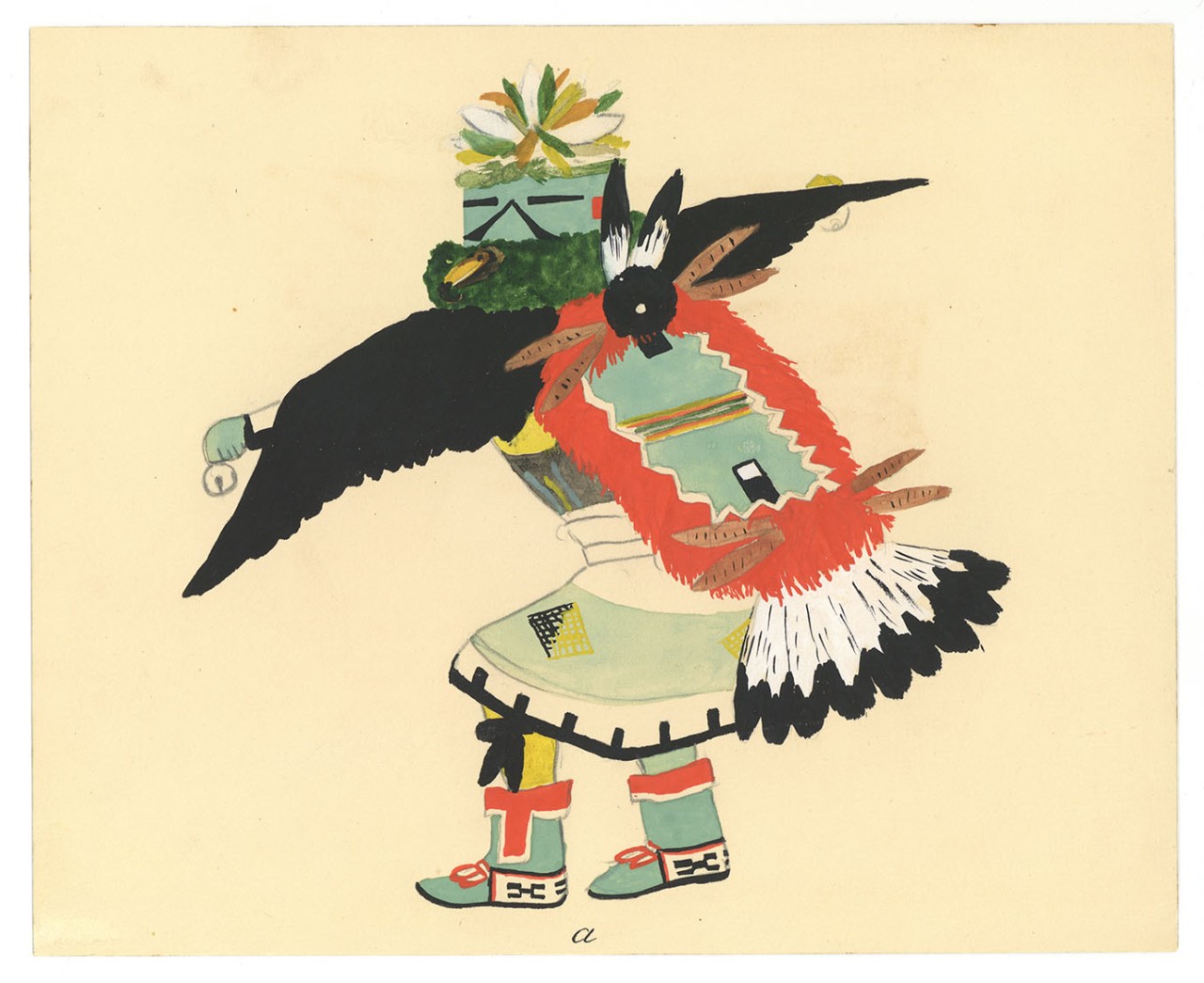
Zuni Kachina Paintings: A Comprehensive Guide to Their Cultural Significance and Artistic Techniques
Introduction
Zuni kachina paintings, a vibrant and intricate form of Native American art, hold profound cultural and spiritual significance for the Zuni people of New Mexico. These paintings depict supernatural beings known as kachinas, who serve as messengers between the human and spirit worlds. Through their unique artistic style and symbolism, Zuni kachina paintings offer a glimpse into the rich cultural heritage and spiritual beliefs of the Zuni people.
Cultural Significance
Kachinas play a central role in Zuni religious ceremonies and rituals. They are believed to bring blessings, healing, and rain to the community. Each kachina has a specific purpose and personality, and its depiction in a painting serves as a reminder of its power and influence. Zuni kachina paintings are often used as teaching tools, passing down stories and traditions from generation to generation.
Artistic Techniques
Zuni kachina paintings are typically created on deer hide or canvas using natural pigments derived from minerals, plants, and insects. The artists use a variety of brushes and techniques to create intricate designs and patterns. The paintings are characterized by their flat, two-dimensional style, with bold lines and vibrant colors. The figures are often depicted in a frontal or profile view, with exaggerated features and symbolic markings.
Symbolism
Zuni kachina paintings are rich in symbolism. The colors, patterns, and objects depicted in the paintings all have specific meanings. For example, the color blue represents water and fertility, while the color red represents the sun and fire. Cornstalks symbolize life and growth, while feathers represent communication and spirituality. By understanding the symbolism, viewers can gain a deeper appreciation for the cultural and spiritual significance of these paintings.
Types of Kachinas
There are numerous types of kachinas, each with its own unique characteristics and purpose. Some of the most common types include:
- Shalako Kachinas: These kachinas are associated with the winter solstice and bring blessings of rain and snow.
- Corn Kachinas: These kachinas represent the life-giving power of corn and ensure a bountiful harvest.
- Animal Kachinas: These kachinas represent the animal spirits of the Zuni people and bring protection and guidance.
- War Kachinas: These kachinas represent the warriors who protect the Zuni people from harm.
- Healing Kachinas: These kachinas bring healing and well-being to the community.
Preservation and Conservation
Zuni kachina paintings are considered sacred objects and are treated with great respect. They are often passed down through families for generations and are used in religious ceremonies. In recent years, efforts have been made to preserve and conserve these paintings, ensuring that they continue to be a vital part of Zuni culture.
Conclusion
Zuni kachina paintings are a testament to the rich cultural heritage and artistic traditions of the Zuni people. Through their vibrant colors, intricate designs, and profound symbolism, these paintings offer a glimpse into the spiritual beliefs and cultural practices of the Zuni people. By understanding the cultural significance and artistic techniques of Zuni kachina paintings, we can appreciate their enduring beauty and the important role they play in Zuni society.
Post a Comment for "Cultural Heritage: Zuni Kachina Paintings Explained"