Christ in the Garden of Gethsemane: A Journey Through Art and History

Table of Content
- 1 Christ in the Garden of Gethsemane: A Journey Through Art and History
- 1.1 The Biblical Narrative: A Foundation for Artistic Expression
- 1.2 Early Representations: From Byzantine Iconography to Renaissance Realism
- 1.3 Masterpieces of the Garden: Exploring Iconic Works
- 1.4 The Garden as a Symbol: Beyond the Canvas
- 1.5 Modern Interpretations: A Contemporary Lens
- 1.6 Conclusion: A Legacy of Artistic Inspiration
The Garden of Gethsemane, a place of profound spiritual struggle, has inspired countless artists throughout history. One of the most enduring and powerful depictions of this pivotal event is the iconic scene of "Christ in the Garden of Gethsemane." This article delves into the historical and artistic significance of this subject, exploring its evolution through various periods and styles, and highlighting some of the most celebrated masterpieces.
The Biblical Narrative: A Foundation for Artistic Expression
The Gospel accounts of Matthew, Mark, and Luke vividly describe the emotional turmoil Jesus experienced in the Garden of Gethsemane. He retreated with his disciples to pray, burdened by the immense weight of his impending sacrifice. The scene, imbued with a sense of isolation, fear, and unwavering faith, became a fertile ground for artistic interpretation.
The Agony in the Garden: The biblical narrative emphasizes the profound agony of Christ, sweating blood as he wrestled with the enormity of his mission. This emotional depth, coupled with the dramatic setting, resonated with artists across centuries, inspiring them to capture the essence of this pivotal moment.
Early Representations: From Byzantine Iconography to Renaissance Realism
The earliest depictions of Christ in the Garden of Gethsemane emerged within the context of Byzantine art. These icons, characterized by their stylized figures and flat, symbolic compositions, focused on conveying the divine nature of Christ and his sacrifice. The Garden itself was often represented as a serene landscape, with a focus on the devotional aspect of the scene.
The Renaissance and the Humanization of Christ: With the advent of the Renaissance, a shift towards realism and humanism transformed the portrayal of Christ in the Garden. Artists like Leonardo da Vinci and Michelangelo sought to depict the emotional and physical suffering of Christ with unprecedented detail. The Garden, no longer a mere backdrop, became a tangible space, filled with dramatic lighting, intricate details, and a sense of palpable tension.
Masterpieces of the Garden: Exploring Iconic Works
1. Leonardo da Vinci’s "The Last Supper": While not a direct depiction of the Garden, da Vinci’s masterpiece captures the moment before Jesus’ betrayal and arrest, setting the stage for his eventual journey to Gethsemane. The composition, with its dramatic use of perspective and light, anticipates the emotional turmoil that would unfold in the Garden.
2. Michelangelo’s "The Last Judgment": This monumental fresco, adorning the Sistine Chapel, depicts Christ as the ultimate judge, with the Garden of Gethsemane serving as a visual reminder of his sacrifice. The scene, filled with figures representing the saved and the damned, underscores the profound impact of Christ’s suffering on humanity.
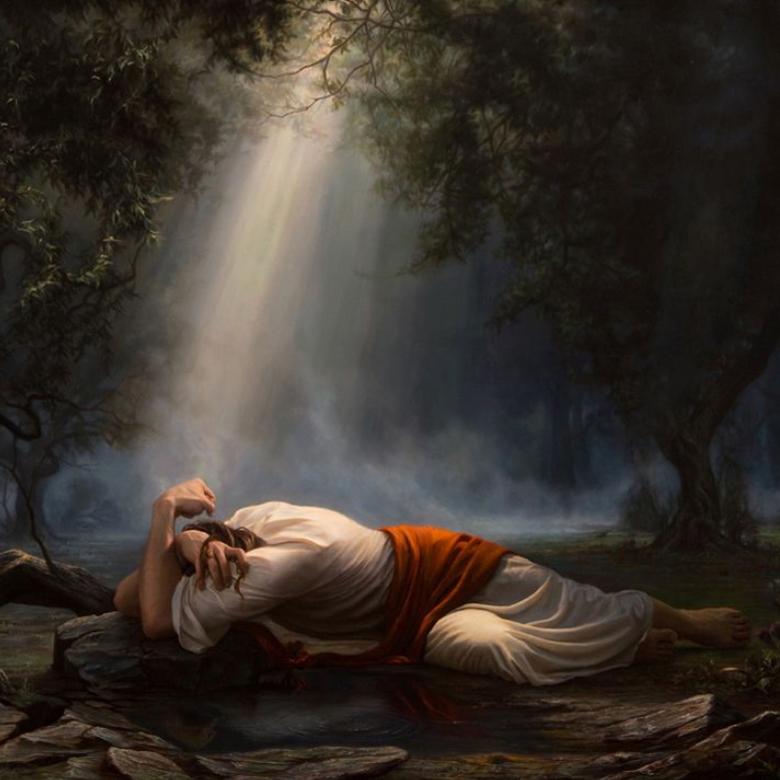
3. Agnolo Bronzino’s "Christ in the Garden of Gethsemane": This 16th-century painting showcases Bronzino’s mastery of detail and realism. The scene is set in a lush garden, with Christ’s emotional anguish vividly portrayed through his contorted posture and sorrowful expression. The presence of angels, offering him solace, adds a layer of spiritual depth to the composition.
4. El Greco’s "Christ in the Garden of Gethsemane": El Greco’s distinctive style, characterized by elongated figures and vibrant colors, is evident in his depiction of Christ in the Garden. The scene is filled with a sense of otherworldly drama, highlighting the spiritual struggle of Christ as he faces his destiny.
5. Caravaggio’s "The Supper at Emmaus": This masterpiece, while not directly depicting the Garden, captures the moment after Christ’s resurrection, when he appears to his disciples. The dramatic use of light and shadow, characteristic of Caravaggio’s style, creates a sense of mystery and divine presence, echoing the spiritual significance of the Garden.
The Garden as a Symbol: Beyond the Canvas
The Garden of Gethsemane transcends its literal depiction in art, becoming a symbol of human struggle, faith, and the triumph of hope over despair. Artists have used the scene to explore themes of:
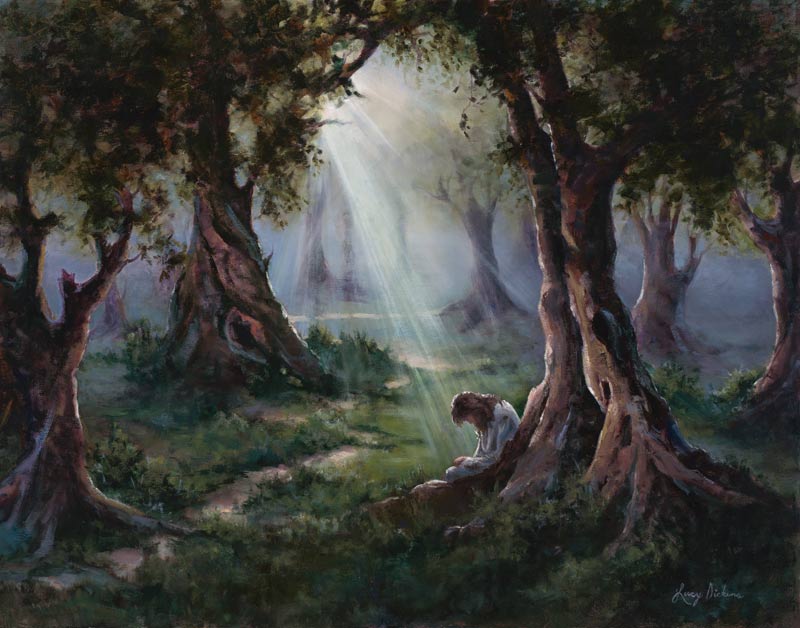
- The Nature of Sacrifice: Christ’s willingness to endure immense suffering for the sake of humanity underscores the power of sacrifice and its transformative potential.
- The Struggle of Faith: The Garden represents the internal conflict between fear and faith, highlighting the challenges of maintaining belief in the face of adversity.
- The Power of Prayer: Christ’s act of prayer in the Garden emphasizes the importance of seeking solace and guidance in times of crisis.
- The Divine Presence: The Garden serves as a reminder of the constant presence of God, even in the darkest moments of human experience.
Modern Interpretations: A Contemporary Lens
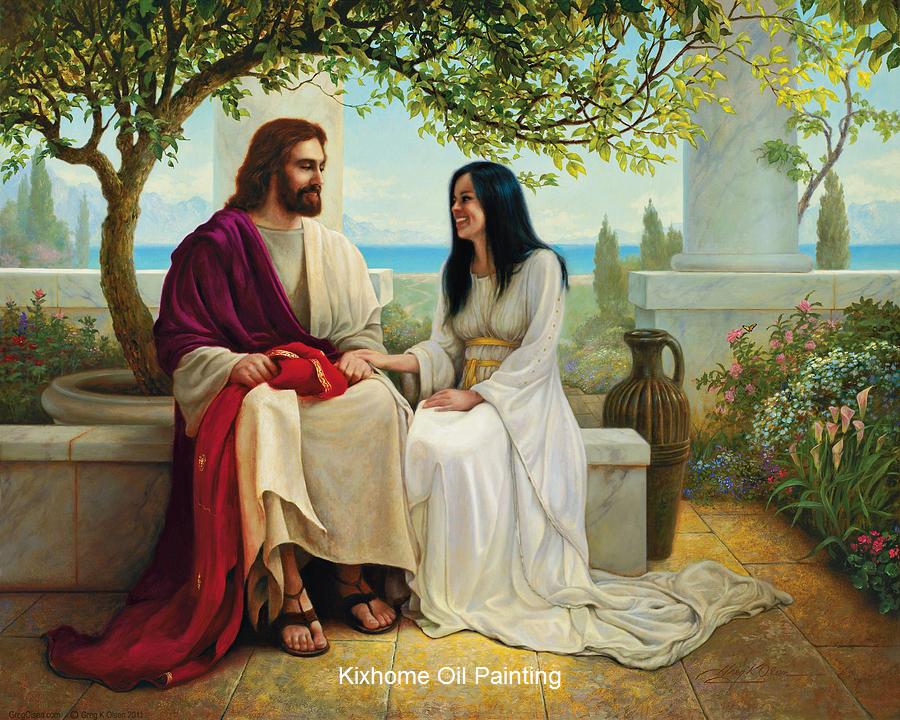
In contemporary art, the Garden of Gethsemane continues to inspire artists, albeit with a more nuanced and personal approach. Modern artists explore themes of isolation, existential angst, and the complexities of faith in a secular world. They employ diverse mediums, from abstract expressionism to installation art, to convey their unique perspectives on this timeless subject.
Conclusion: A Legacy of Artistic Inspiration
From the stylized icons of the Byzantine era to the dramatic realism of the Renaissance, and from the expressive brushstrokes of El Greco to the abstract interpretations of contemporary artists, the Garden of Gethsemane has served as a constant source of inspiration for artists across centuries. The scene, imbued with profound spiritual and emotional weight, continues to resonate with viewers, inviting them to contemplate the complexities of faith, suffering, and the enduring power of hope.
Diagram: A Timeline of Artistic Depictions of Christ in the Garden of Gethsemane
| Period | Key Features | Notable Artists |
|---|---|---|
| Byzantine (4th-15th centuries) | Stylized figures, flat compositions, focus on the divine nature of Christ | Icons of the Garden of Gethsemane, often featuring a serene landscape |
| Renaissance (14th-16th centuries) | Realism, humanism, focus on the emotional and physical suffering of Christ | Leonardo da Vinci, Michelangelo, Agnolo Bronzino |
| Baroque (17th-18th centuries) | Dramatic lighting, use of chiaroscuro, focus on the theatrical aspects of the scene | Caravaggio, Bernini, Rubens |
| Romanticism (18th-19th centuries) | Emotionality, expressionism, focus on the spiritual and psychological dimensions of the scene | Eugène Delacroix, Caspar David Friedrich, William Blake |
| Modern (20th-21st centuries) | Diverse styles, abstract expressionism, conceptual art, focus on contemporary themes of faith and spirituality | Pablo Picasso, Salvador Dalí, Mark Rothko, Anselm Kiefer |
This timeline provides a glimpse into the evolution of artistic interpretations of Christ in the Garden of Gethsemane, showcasing the diverse approaches and thematic concerns that have shaped this enduring subject matter.
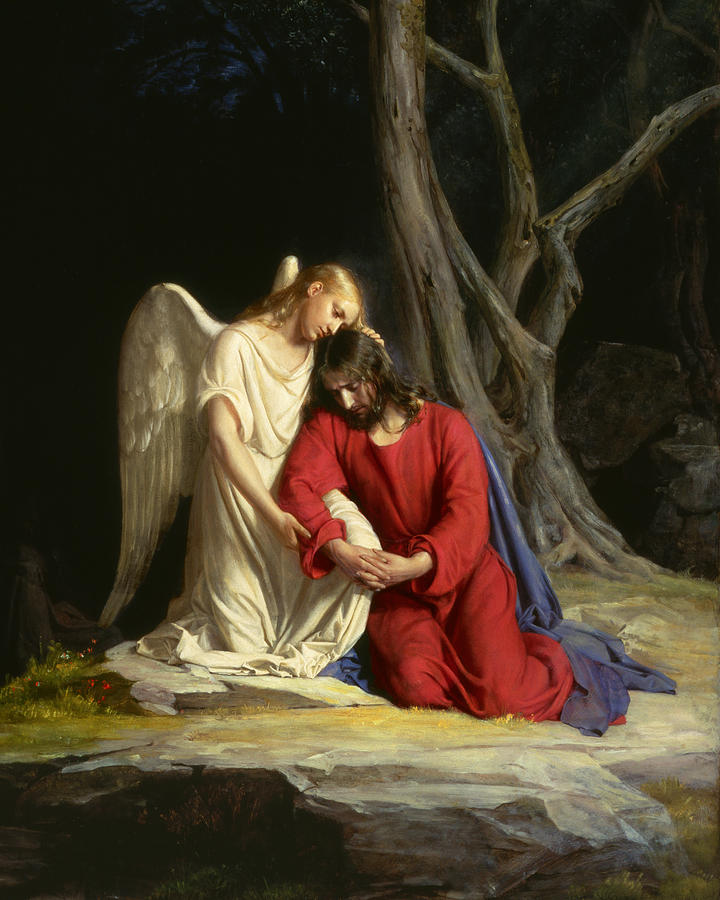
Christ in the Garden of Gethsemane: A Journey Through Art and History
Post a Comment for "Christ In The Garden Of Gethsemane Painting: Historical And Artistic Insights"