Slip Plate Paint: The Industrial Coating for Friction Reduction
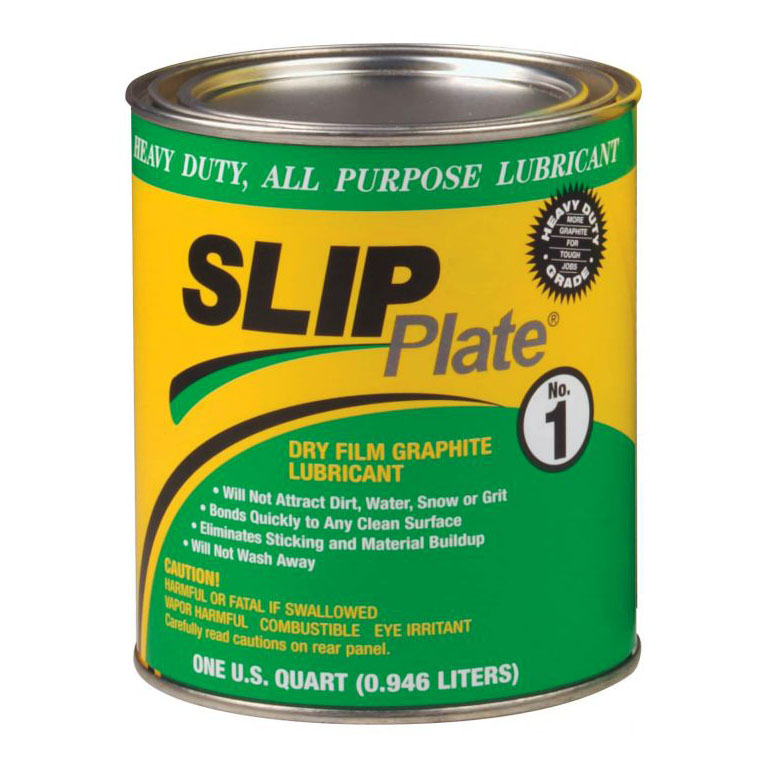
Slip plate paint, also known as low-friction coating, is a specialized industrial coating designed to minimize friction between surfaces. It is formulated with high-performance polymers and additives that create a smooth, slippery surface, significantly reducing the coefficient of friction. This reduction in friction translates to numerous benefits across various industrial applications, leading to increased efficiency, reduced wear and tear, and improved performance.
Understanding the Science Behind Slip Plate Paint
The effectiveness of slip plate paint lies in its ability to create a low-surface energy layer. This layer, composed of carefully chosen polymers and additives, reduces the adhesion forces between contacting surfaces. When two surfaces coated with slip plate paint come into contact, the reduced adhesion minimizes the frictional resistance, allowing for smoother and easier movement.
Applications of Slip Plate Paint: A Diverse Spectrum
The versatility of slip plate paint extends to a wide range of industries and applications. Here’s a glimpse into some of the key areas where it proves invaluable:
1. Manufacturing and Assembly:
- Conveyor systems: Slip plate paint helps reduce friction on conveyor belts, allowing for smoother and more efficient material handling. This translates to improved production rates and reduced wear on the conveyor system.
- Assembly lines: Minimizing friction during assembly processes using slip plate paint facilitates easier movement of components, reducing assembly time and improving accuracy.
- Robotics: In robotic applications, slip plate paint ensures smooth operation of robotic arms and grippers, enhancing efficiency and precision.
2. Material Handling and Transportation:
- Slides and chutes: Slip plate paint is widely used on slides and chutes for materials handling, ensuring smooth and controlled movement of products. This reduces damage to the product and improves overall efficiency.
- Pallet and container movement: Reducing friction on pallets and containers facilitates easier movement and handling, minimizing damage and improving logistics operations.
- Railroad applications: Slip plate paint can be used on railcar surfaces to reduce friction during transportation, leading to improved fuel efficiency and reduced wear on the track.

3. Aerospace and Automotive Industries:
- Aircraft components: Slip plate paint is crucial in aircraft design, minimizing friction on moving parts like flaps and landing gear, contributing to improved fuel efficiency and reduced maintenance costs.
- Automotive parts: In the automotive industry, slip plate paint is used on brake calipers, engine components, and other moving parts to reduce friction and wear, enhancing performance and durability.
4. Construction and Infrastructure:
- Formwork: Slip plate paint helps in the smooth removal of formwork from concrete structures, reducing damage to the formwork and ensuring a clean finish for the concrete.
- Bridge bearings: Minimizing friction on bridge bearings using slip plate paint ensures smooth expansion and contraction of the bridge deck, reducing wear and tear on the structure.
5. Medical and Pharmaceutical Industries:
- Medical devices: Slip plate paint is used on medical devices like catheters and surgical instruments to minimize friction during insertion, improving patient comfort and reducing the risk of complications.
- Pharmaceutical equipment: In pharmaceutical manufacturing, slip plate paint helps ensure smooth and efficient movement of materials through processing equipment, reducing contamination and improving product quality.
Benefits of Slip Plate Paint: Enhancing Efficiency and Performance
The application of slip plate paint brings a plethora of benefits to various industries, enhancing efficiency, reducing wear and tear, and improving overall performance. Here’s a comprehensive look at the key advantages:
1. Reduced Friction and Wear:
- Slip plate paint significantly reduces friction between surfaces, minimizing wear and tear on moving parts and extending the lifespan of equipment.
- This reduction in friction translates to less energy consumption, leading to improved efficiency and reduced operating costs.
2. Enhanced Efficiency and Productivity:
- Smoother movement of materials and components facilitated by slip plate paint leads to increased production rates and improved efficiency in manufacturing and assembly processes.
- Reduced friction also minimizes downtime due to equipment failure, further boosting productivity.
3. Improved Performance and Durability:
- Slip plate paint enhances the performance of equipment by reducing friction, leading to smoother operation and improved accuracy.
- The reduced wear and tear translates to increased durability and longevity of the equipment, minimizing maintenance costs and downtime.
4. Reduced Energy Consumption:
- Minimizing friction through slip plate paint reduces the energy required to move objects, leading to lower energy consumption and reduced environmental impact.
- This is particularly beneficial in applications involving heavy machinery and transportation, where energy savings can be significant.
5. Increased Safety and Reliability:
- Reduced friction contributes to safer operation of equipment, minimizing the risk of accidents and injuries.
- The improved performance and durability of equipment ensured by slip plate paint also enhance reliability, reducing the likelihood of unexpected breakdowns.
Types of Slip Plate Paint: Choosing the Right Solution
The selection of the appropriate slip plate paint depends on the specific application and the desired properties. Here’s a breakdown of different types of slip plate paints based on their characteristics and applications:
1. PTFE-Based Slip Plate Paint:
- Properties: PTFE (Polytetrafluoroethylene) is known for its exceptional low-friction properties, making it an ideal base for slip plate paint. It exhibits excellent chemical resistance, high temperature tolerance, and low moisture absorption.
- Applications: PTFE-based slip plate paint is widely used in applications where high temperature resistance, chemical resistance, and low friction are critical, such as in aerospace, automotive, and chemical processing industries.
2. Silicone-Based Slip Plate Paint:
- Properties: Silicone-based slip plate paint offers good low-friction properties and excellent heat resistance. It also exhibits good water repellency and chemical resistance.
- Applications: Silicone-based slip plate paint is suitable for applications involving high temperatures, water exposure, and moderate friction requirements, such as in food processing, construction, and automotive industries.
3. Epoxy-Based Slip Plate Paint:
- Properties: Epoxy-based slip plate paint combines good adhesion and durability with moderate low-friction properties. It is known for its excellent chemical resistance and mechanical strength.
- Applications: Epoxy-based slip plate paint is suitable for applications requiring high adhesion, durability, and moderate friction reduction, such as in industrial flooring, tank linings, and conveyor systems.
4. Acrylic-Based Slip Plate Paint:
- Properties: Acrylic-based slip plate paint offers good low-friction properties and excellent adhesion to various substrates. It is also known for its ease of application and fast drying time.
- Applications: Acrylic-based slip plate paint is suitable for applications requiring good adhesion, moderate friction reduction, and ease of application, such as in furniture manufacturing, woodworking, and general industrial applications.
5. Specialty Slip Plate Paints:
- Properties: Specialty slip plate paints are formulated with specific additives and polymers to provide unique properties tailored to specific applications. These may include improved wear resistance, anti-static properties, or specific chemical resistance.
- Applications: Specialty slip plate paints are used in demanding applications where standard slip plate paints may not suffice, such as in high-performance machinery, aerospace components, and extreme environments.
Choosing the Right Slip Plate Paint: Factors to Consider
Selecting the appropriate slip plate paint for a specific application involves considering several factors:
- Surface Material: The type of material being coated will influence the choice of slip plate paint. Some paints are better suited for metal surfaces, while others are designed for plastics or wood.
- Operating Temperature: The temperature range at which the coated surface will operate is crucial. Some slip plate paints are designed for high-temperature applications, while others are suitable for lower temperatures.
- Chemical Resistance: The chemicals that the coated surface will be exposed to must be considered. Some slip plate paints offer excellent chemical resistance, while others are more susceptible to certain chemicals.
- Friction Requirements: The level of friction reduction required will determine the type of slip plate paint needed. Some paints offer high friction reduction, while others provide moderate or low friction reduction.
- Application Method: The method of application, whether by spraying, brushing, or dipping, will also influence the choice of slip plate paint. Some paints are designed for specific application methods.
Applying Slip Plate Paint: Achieving Optimal Performance
Proper application of slip plate paint is crucial for achieving optimal performance and longevity. Here’s a step-by-step guide to ensure successful application:
1. Surface Preparation:
- The surface to be coated must be thoroughly cleaned and prepared to ensure proper adhesion of the slip plate paint.
- Remove any dirt, grease, oil, or other contaminants using appropriate cleaning agents and methods.
- Ensure the surface is dry and free from any loose particles before applying the paint.
2. Primer Application (If Required):
- Depending on the substrate and the type of slip plate paint, a primer may be necessary to enhance adhesion and improve the overall performance of the coating.
- Apply the primer according to the manufacturer’s instructions, ensuring proper drying time before proceeding to the next step.
3. Slip Plate Paint Application:
- Apply the slip plate paint according to the manufacturer’s instructions, using the recommended application method, whether spraying, brushing, or dipping.
- Ensure even coverage and avoid excessive build-up of paint, which can lead to uneven surfaces and reduced performance.
- Allow the paint to dry completely before handling or putting the coated surface into use.
4. Curing and Post-Treatment:
- After application, allow the slip plate paint to cure fully according to the manufacturer’s specifications. This may involve specific temperature and humidity conditions.
- Once cured, the coated surface may require post-treatment, such as polishing or sanding, to achieve the desired finish and performance.
5. Maintenance and Inspection:
- Regularly inspect the coated surface for any signs of wear or damage.
- If necessary, apply a touch-up coat of slip plate paint to maintain the desired level of friction reduction and extend the lifespan of the coating.
Safety Precautions When Using Slip Plate Paint:
- Always wear appropriate personal protective equipment (PPE) when handling slip plate paint, including gloves, goggles, and respirators.
- Work in a well-ventilated area to avoid exposure to fumes.
- Store slip plate paint in a cool, dry place away from direct sunlight and heat sources.
- Dispose of leftover paint and containers responsibly according to local regulations.
Slip Plate Paint: A Powerful Tool for Industrial Efficiency
Slip plate paint is a versatile and powerful tool for enhancing efficiency, reducing wear and tear, and improving performance across a wide range of industrial applications. By understanding the science behind slip plate paint, its diverse applications, and the factors involved in selecting and applying the right solution, industries can leverage its benefits to optimize operations, reduce costs, and achieve sustainable growth.
Conclusion:
Slip plate paint is a specialized industrial coating that offers significant advantages in various industries by minimizing friction between surfaces. Its ability to reduce friction translates to improved efficiency, reduced wear and tear, enhanced performance, and lower energy consumption. With its diverse applications and numerous benefits, slip plate paint is a valuable tool for industries seeking to optimize operations, improve productivity, and achieve sustainable growth. By understanding the science behind slip plate paint, its different types, and proper application techniques, industries can effectively utilize this innovative coating to unlock its full potential and drive success.

Slip Plate Paint: The Industrial Coating for Friction Reduction
Post a Comment for "Slip Plate Paint: Industrial Coating For Friction Reduction"