Signs of a Bad Interior Paint Job: What to Look For
Table of Content
A fresh coat of paint can revitalize any room, but a poorly executed paint job can leave you with a headache (and a lot of extra work). Knowing the signs of a bad interior paint job can help you avoid costly mistakes and ensure a beautiful, long-lasting finish.
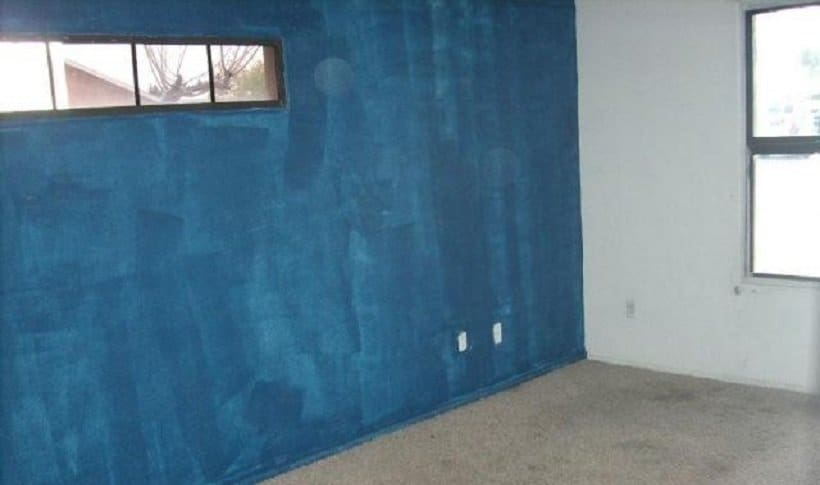
1. Uneven Coverage and Brush Strokes:
The most obvious sign of a bad paint job is uneven coverage. This can be caused by a number of factors, including:
- Insufficient Paint: The painter may have used too little paint, resulting in thin, patchy coverage.
- Inadequate Preparation: Dirt, grease, or old paint can prevent the new paint from adhering properly, leading to uneven coverage.
- Improper Technique: Inexperienced painters may not apply the paint evenly, resulting in visible brush strokes or roller marks.
2. Drips and Runs:
Drips and runs are unsightly blemishes that can ruin the appearance of a freshly painted surface. They are often caused by:
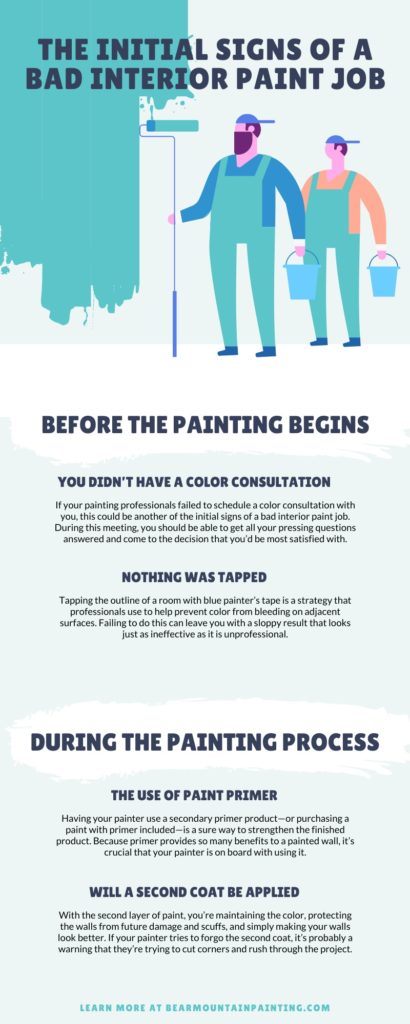
- Applying Too Much Paint: Overloading the brush or roller can lead to excessive paint buildup, resulting in drips and runs.
- Too Thick of a Paint: Using a paint that is too thick can also contribute to drips and runs.
- Incorrect Application Angle: Holding the brush or roller at an incorrect angle can cause the paint to run down the wall.

3. Color Discrepancies:
Inconsistent color is a major red flag. It can be caused by:
- Using Different Paint Lots: Different batches of paint, even the same color, can have slight variations in hue, leading to noticeable color discrepancies.
- Improper Mixing: Not mixing the paint thoroughly can result in uneven color distribution.
- Poor Lighting: The lighting in the room can affect how the color appears, so it’s important to check the color in different lighting conditions.

4. Cracking and Peeling:
Cracking and peeling paint are signs of poor adhesion and can be caused by:
- Improper Surface Preparation: Failing to properly clean and prime the surface can lead to poor adhesion and cracking.
- Moisture Problems: Moisture trapped beneath the paint can cause it to peel.
- Using the Wrong Paint: Using a paint that is not compatible with the surface can also lead to cracking and peeling.
5. Uneven Texture:
A smooth, even texture is essential for a professional-looking paint job. Uneven texture can be caused by:
- Using the Wrong Roller: Using a roller with the wrong nap length for the surface can leave behind an uneven texture.
- Improper Roller Technique: Not rolling the paint evenly can also result in uneven texture.
- Applying Too Much Paint: Overloading the roller can create thick, uneven coats.
6. Poor Edging:
Sharp, clean edges are a hallmark of a well-executed paint job. Poor edging can be caused by:
- Inexperience: Inexperienced painters may struggle to create clean lines around doors, windows, and moldings.
- Using the Wrong Tools: Using the wrong tools, such as a brush that is too wide or a tape that is not sticky enough, can lead to messy edges.
- Insufficient Drying Time: Not allowing the paint to dry completely before removing the tape can cause the paint to peel away from the edge.
7. Missed Spots:
Missed spots are obvious signs of a rushed job. They can be caused by:
- Inadequate Inspection: The painter may not have thoroughly inspected the surface before applying the final coat of paint.
- Poor Lighting: It can be difficult to see missed spots in low light.
- Distractions: Distractions can cause the painter to miss spots.
8. Staining:
Staining can occur when paint reacts with the underlying surface or when it is not properly sealed. Look for:
- Water Stains: Water stains can appear as dark patches on the wall and are often caused by leaks or condensation.
- Rust Stains: Rust stains can appear as orange or reddish-brown patches on the wall and are often caused by metal fixtures or pipes.
- Grease Stains: Grease stains can appear as shiny or greasy patches on the wall and are often caused by cooking spills or splatters.
9. Mildew Growth:
Mildew growth is a sign of moisture problems and can be caused by:
- Poor Ventilation: Insufficient ventilation can lead to moisture buildup, which can create an ideal environment for mildew growth.
- Leaks: Leaks in the roof, plumbing, or windows can also contribute to mildew growth.
- High Humidity: High humidity levels can also promote mildew growth.
10. Unpleasant Odor:
A strong, unpleasant odor can indicate that the paint was not properly applied or that it contains harmful chemicals. Look for:
- Strong Solvent Smell: A strong solvent smell can indicate that the paint is not fully cured.
- Chemical Odor: A strong chemical odor can indicate that the paint contains harmful VOCs (volatile organic compounds).
Tips for Avoiding a Bad Paint Job:
- Choose a Reputable Painter: Get recommendations from friends, family, or neighbors.
- Get Multiple Quotes: Compare prices and services from different painters.
- Ask for References: Request references from previous clients.
- Review the Contract: Make sure the contract clearly outlines the scope of work, the materials to be used, and the payment schedule.
- Inspect the Work: Check the work carefully at each stage of the project.
- Don’t Be Afraid to Ask Questions: If you have any questions or concerns, don’t hesitate to ask the painter.
Conclusion:
A well-executed paint job can enhance the beauty and value of your home. By being aware of the signs of a bad paint job, you can avoid costly mistakes and ensure a beautiful, long-lasting finish. Remember to choose a reputable painter, get multiple quotes, and carefully inspect the work at each stage of the project.
Diagram:
| Sign of a Bad Paint Job | Cause | Solution |
|---|---|---|
| Uneven Coverage | Insufficient paint, inadequate preparation, improper technique | Use enough paint, prepare the surface properly, use the correct application technique |
| Drips and Runs | Applying too much paint, using too thick of a paint, incorrect application angle | Apply less paint, use thinner paint, hold the brush or roller at the correct angle |
| Color Discrepancies | Using different paint lots, improper mixing, poor lighting | Use paint from the same lot, mix the paint thoroughly, check the color in different lighting conditions |
| Cracking and Peeling | Improper surface preparation, moisture problems, using the wrong paint | Prepare the surface properly, address moisture problems, use the correct paint |
| Uneven Texture | Using the wrong roller, improper roller technique, applying too much paint | Use the correct roller, roll the paint evenly, apply less paint |
| Poor Edging | Inexperience, using the wrong tools, insufficient drying time | Hire an experienced painter, use the correct tools, allow the paint to dry completely |
| Missed Spots | Inadequate inspection, poor lighting, distractions | Inspect the surface thoroughly, use adequate lighting, minimize distractions |
| Staining | Water stains, rust stains, grease stains | Address moisture problems, remove rust, clean grease stains |
| Mildew Growth | Poor ventilation, leaks, high humidity | Improve ventilation, fix leaks, reduce humidity |
| Unpleasant Odor | Strong solvent smell, chemical odor | Allow the paint to cure completely, use low-VOC paint |
Remember: This information is a general guide. Always consult with a professional painter for specific advice on your project.
Signs of a Bad Interior Paint Job: What to Look For
Post a Comment for "Signs Of A Bad Interior Paint Job: What To Look For"