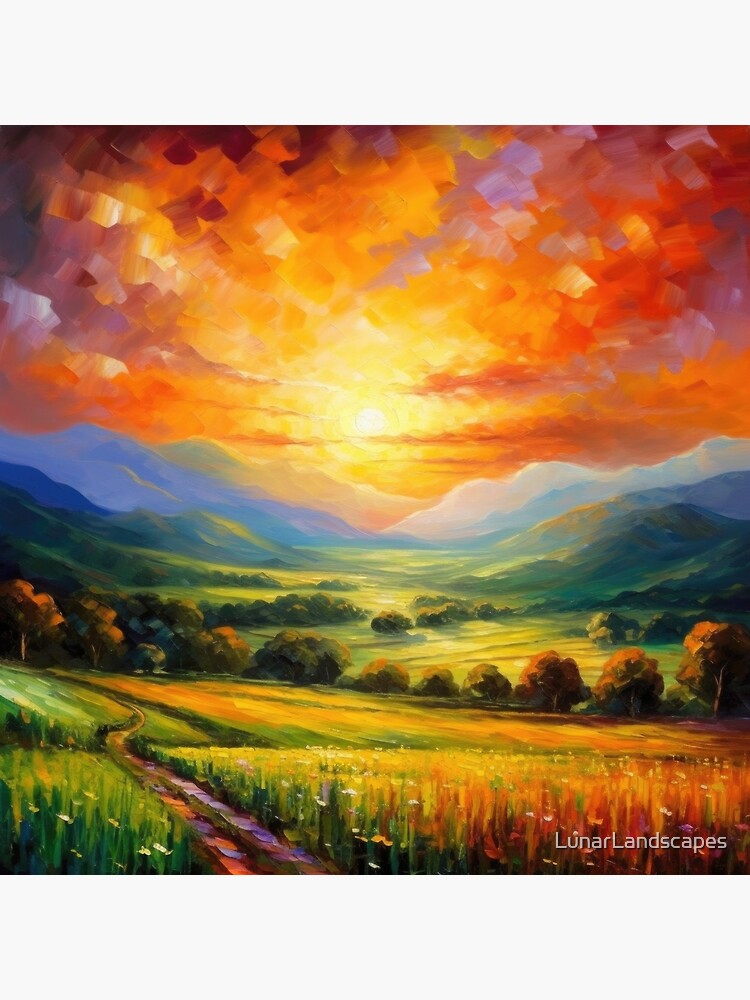
Scenic Serenity: Rolling Hills Painting Techniques to Capture the Essence of Nature
Introduction
Rolling hills, with their gentle slopes and verdant contours, evoke a sense of tranquility and awe. Capturing their essence on canvas requires a mastery of painting techniques that convey both their grandeur and their delicate beauty. This comprehensive guide will delve into the intricacies of rolling hills painting, empowering artists to create landscapes that resonate with the soul.
Understanding the Landscape
Before embarking on the painting process, it is crucial to observe and understand the landscape. Study the contours of the hills, noting their gradual rise and fall. Pay attention to the interplay of light and shadow, as they shape the hills’ form and create a sense of depth.
Establishing a Composition
A well-composed painting guides the viewer’s eye through the landscape. Determine the focal point of your painting, whether it be a solitary tree, a winding path, or a distant horizon. Arrange the hills around this focal point, creating a sense of balance and harmony.
Color Palette and Values
The color palette you choose will significantly impact the mood and atmosphere of your painting. For rolling hills, opt for a range of greens, from vibrant emerald to muted olive. Use lighter greens for sunlit areas and darker greens for shadows. Additionally, consider incorporating complementary colors, such as blues and oranges, to create contrast and depth.
Brushwork and Texture
The brushwork you employ can convey the texture and character of the hills. Use broad, sweeping strokes for smooth, gentle slopes. For more rugged terrain, use short, choppy strokes to create a sense of texture and movement. Experiment with different brush sizes and shapes to achieve the desired effect.
Creating Depth
Depth in a painting is essential for creating a sense of realism. Use aerial perspective, where colors become lighter and less distinct as they recede into the distance. Overlapping hills can also create a sense of depth, as the foreground hills partially obscure those in the background.
Atmospheric Effects
Atmospheric effects, such as mist or fog, can add a touch of mystery and depth to your painting. Use light, feathery brushstrokes to create a subtle haze. Alternatively, you can use thicker, more opaque paint to depict denser fog.
Finishing Touches
Once the main elements of the painting are in place, it is time to add the finishing touches. Consider adding details such as trees, shrubs, or wildflowers to enhance the realism of the landscape. A touch of light or shadow can also help to define the hills’ contours and create a sense of atmosphere.
Recommended Diagram
| Technique | Purpose |
|---|---|
| Broad, sweeping strokes | Smooth, gentle slopes |
| Short, choppy strokes | Rugged terrain |
| Aerial perspective | Create depth |
| Overlapping hills | Enhance depth |
| Light, feathery brushstrokes | Mist or fog |
| Thicker, opaque paint | Denser fog |
Conclusion
Rolling hills painting is a rewarding endeavor that allows artists to capture the beauty and serenity of nature. By understanding the landscape, establishing a strong composition, and employing effective painting techniques, artists can create landscapes that evoke a sense of tranquility and wonder. With practice and dedication, you can master the art of rolling hills painting and create masterpieces that will inspire and delight for generations to come.
Post a Comment for "Scenic Serenity: Rolling Hills Painting Techniques"