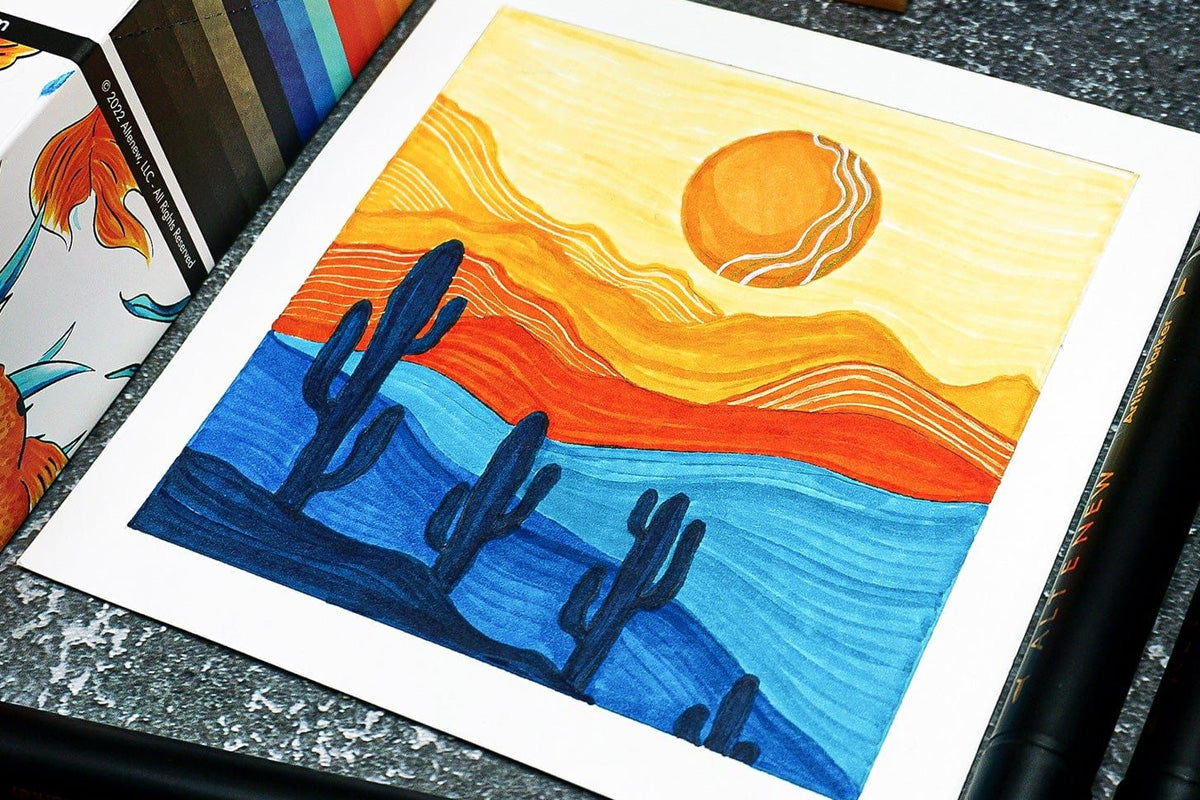
Paint It Beautiful: Exploring Aesthetics through Color
Introduction
Color, an integral aspect of our visual world, holds immense power in shaping our perceptions, emotions, and experiences. From the vibrant hues of nature to the carefully curated color palettes of art and design, color has the ability to transform our surroundings and elevate our aesthetic sensibilities. In this comprehensive guide, we delve into the captivating realm of color aesthetics, exploring the principles, theories, and practical applications that guide the harmonious use of color in various disciplines.
Color Theory: The Foundation of Aesthetics
Color theory provides a systematic framework for understanding the relationships between colors and their effects on human perception. The primary colors, red, yellow, and blue, form the basis of the color wheel, which organizes colors based on their hue, saturation, and value. Secondary colors, such as green, orange, and purple, are created by mixing primary colors, while tertiary colors are formed by combining primary and secondary colors.
The color wheel serves as a valuable tool for artists, designers, and anyone interested in creating visually appealing compositions. By understanding the relationships between colors, it becomes possible to create harmonious color schemes that evoke specific moods and convey desired messages.
Color Psychology: The Emotional Impact of Color
Beyond their visual appeal, colors also have a profound impact on our emotions and behaviors. Color psychology, a field of study that explores the psychological effects of color, has identified specific associations between different colors and human responses. For instance, red is often associated with passion, excitement, and danger, while blue evokes feelings of tranquility, serenity, and trust.
Understanding the emotional impact of color is crucial for effective communication in various fields, including marketing, advertising, and interior design. By carefully selecting colors that align with the desired message or atmosphere, it becomes possible to create spaces and experiences that resonate with the intended audience.
Color in Art and Design
Color plays a pivotal role in the creation of visually stunning works of art and design. Artists throughout history have used color to convey emotions, tell stories, and explore the boundaries of human perception. From the vibrant colors of Impressionism to the bold hues of Abstract Expressionism, color has been a defining element in the development of artistic styles.
In design, color serves both functional and aesthetic purposes. It can be used to create visual hierarchy, guide the user’s attention, and enhance the overall user experience. By understanding the principles of color theory and color psychology, designers can create visually appealing and effective designs that meet the needs of their users.
Color in Interior Design
Color is a transformative force in interior design, capable of creating a wide range of atmospheres and moods within a space. From cozy and inviting living rooms to sleek and modern offices, color plays a crucial role in shaping the overall aesthetic and functionality of an interior.
When selecting colors for an interior space, it is important to consider the intended use of the space, the natural light conditions, and the desired ambiance. By understanding the principles of color theory and color psychology, interior designers can create harmonious and visually appealing spaces that enhance the well-being and productivity of their occupants.
Color in Fashion
Color is an essential element in the world of fashion, influencing everything from the design of clothing to the creation of seasonal collections. Fashion designers use color to express their creativity, convey their brand identity, and appeal to the tastes of their target audience.
Color trends in fashion are constantly evolving, reflecting the changing cultural and societal influences. By understanding the principles of color theory and color psychology, fashion designers can create visually appealing and commercially successful designs that resonate with the desires of their customers.
Conclusion
Color is a powerful tool that can transform our surroundings, evoke emotions, and communicate messages. By understanding the principles of color theory, color psychology, and their practical applications, we can harness the power of color to create visually appealing and meaningful experiences in various disciplines. Whether in art, design, fashion, or interior design, color plays a crucial role in shaping our aesthetic sensibilities and enhancing our quality of life.
Table: Color Theory and Psychology
| Color | Hue | Saturation | Value | Emotional Impact |
|---|---|---|---|---|
| Red | Warm | High | High | Passion, excitement, danger |
| Orange | Warm | High | Medium | Energy, creativity, warmth |
| Yellow | Warm | High | Low | Happiness, optimism, caution |
| Green | Cool | Medium | Medium | Tranquility, balance, growth |
| Blue | Cool | Low | High | Serenity, trust, sadness |
| Purple | Cool | High | Medium | Royalty, luxury, spirituality |
| Pink | Warm | Low | High | Love, femininity, sweetness |
| Brown | Neutral | Low | Medium | Stability, reliability, comfort |
| Black | Neutral | Low | Low | Sophistication, power, mystery |
| White | Neutral | Low | High | Purity, cleanliness, innocence |
Post a Comment for "Paint It Beautiful: Exploring Aesthetics Through Color"