Building a Semi Downdraft Paint Booth: A DIY Guide to Professional Results
Introduction:
A well-designed paint booth is essential for achieving professional-quality paint finishes. While commercial booths can be expensive, building a semi downdraft paint booth yourself offers a cost-effective solution for home hobbyists and small businesses. This comprehensive guide will walk you through every step of the process, from planning and design to construction and finishing.
Planning and Design:
1. Determine Your Needs:
- Size: Consider the size of the objects you plan to paint. The booth should be large enough to accommodate your largest project while allowing for comfortable movement.
- Type of Paint: The type of paint you use will influence the booth’s design, particularly the filtration system. Water-based paints require less aggressive filtration than solvent-based paints.
- Budget: Set a realistic budget for materials and tools. Remember to factor in the cost of ventilation, lighting, and safety equipment.
2. Choose a Location:

- Ventilation: The booth needs adequate ventilation to remove fumes and dust. Choose a well-ventilated area with access to fresh air.
- Space: Ensure sufficient space around the booth for easy access and movement.
- Power: The booth will require electrical outlets for lighting, fans, and potentially other equipment.

3. Design Your Booth:
- Downdraft: Semi downdraft booths use a combination of upward and downward airflow. This design provides better dust control and allows for a more open work area.
- Material: Consider using durable and fire-resistant materials like metal or fire-rated drywall.
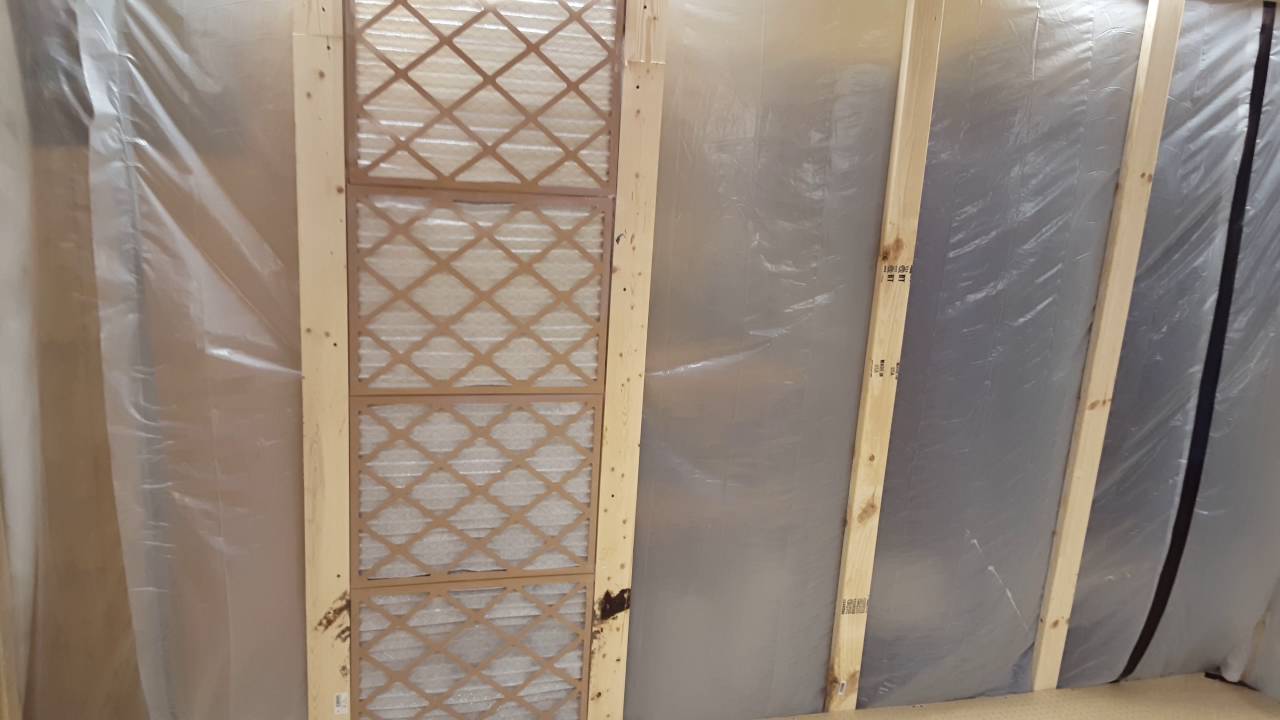
- Filtration: Choose the appropriate filter system based on the type of paint you use.
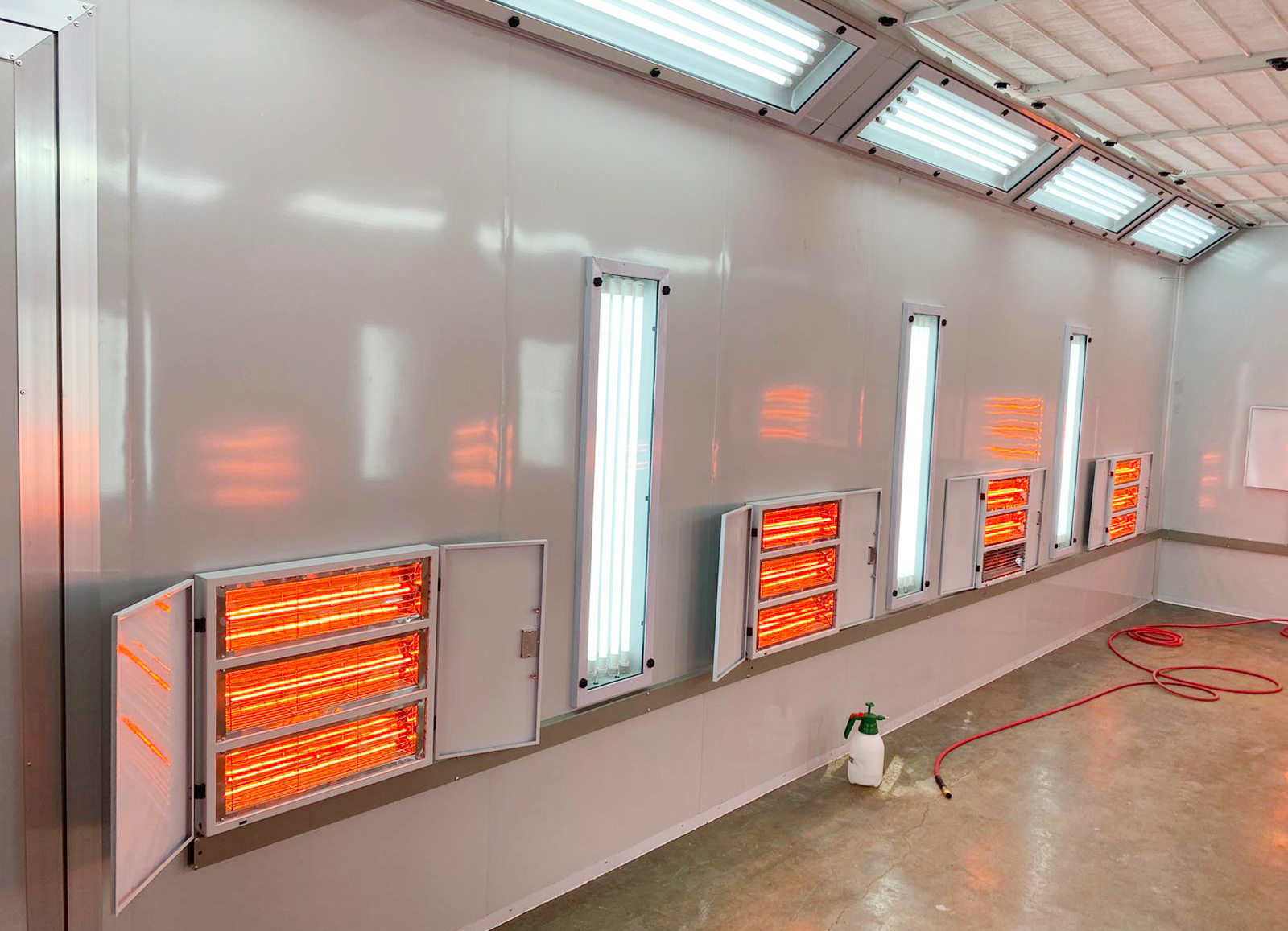
- Lighting: Adequate lighting is crucial for proper paint application. Install bright, even lighting throughout the booth.
Construction:
1. Framing:
- Materials: Use sturdy lumber like 2x4s or 2x6s for the frame.
- Dimensions: Construct the frame according to your design specifications. Ensure the frame is square and level.
- Reinforcement: Use bracing and corner supports to strengthen the frame and prevent sagging.
2. Walls and Ceiling:
- Material: Use fire-rated drywall or metal panels for the walls and ceiling.
- Installation: Secure the wall and ceiling panels to the frame using screws or nails.
- Seams: Seal all seams and gaps with fire-resistant caulk to prevent dust and air leaks.
3. Floor:
- Material: Use a non-slip, easy-to-clean material like concrete, epoxy, or tile.
- Slope: Create a slight slope towards the drain to facilitate easy cleanup.
- Drainage: Install a drain in the floor to collect overspray and runoff.
4. Ventilation System:
- Fans: Install powerful fans to provide adequate airflow.
- Filters: Use appropriate filters to capture overspray and dust.
- Ducts: Connect the fans to the filter system and vent the air outside the booth.
- Safety: Ensure the ventilation system meets local safety codes and regulations.
5. Lighting:
- Type: Use fluorescent or LED lights for even, bright illumination.
- Placement: Position lights strategically to avoid glare and shadows.
- Brightness: Ensure sufficient brightness for proper paint application.
6. Finishing:
- Paint: Prime and paint the booth using durable, washable paint.
- Sealant: Apply a sealant to protect the paint and make cleaning easier.
- Accessories: Install necessary accessories like hooks, shelves, and a paint sprayer holder.
Detailed Breakdown of Essential Components:
1. Ventilation:
- Fans: Powerful fans are essential for removing fumes and dust. Consider using a combination of exhaust fans and intake fans for optimal airflow.
- Filters: Filters are crucial for capturing overspray and dust. Choose the appropriate filter type based on the type of paint you use. Common options include:
- Pre-filters: Capture large particles and extend the life of the main filter.
- HEPA filters: Capture fine dust particles, ideal for water-based paints.
- Carbon filters: Absorb organic vapors, suitable for solvent-based paints.
- Ducts: Ducts connect the fans and filters to the outside vent. Use rigid or flexible ductwork depending on your design and budget.
2. Lighting:
- Types:
- Fluorescent lights: Provide bright, even illumination and are energy-efficient.
- LED lights: Offer high brightness, long lifespan, and low energy consumption.
- Halogen lights: Produce warm, white light but are less energy-efficient than fluorescent or LED lights.
- Placement: Position lights strategically to avoid glare and shadows. Consider using a combination of overhead and side lighting for optimal illumination.
3. Filtration System:
- Types:
- Downdraft: Air is drawn downwards through the floor, capturing overspray and dust.
- Updraft: Air is drawn upwards through the ceiling, suitable for large booths.
- Combination: Uses both downdraft and updraft systems for optimal air circulation.
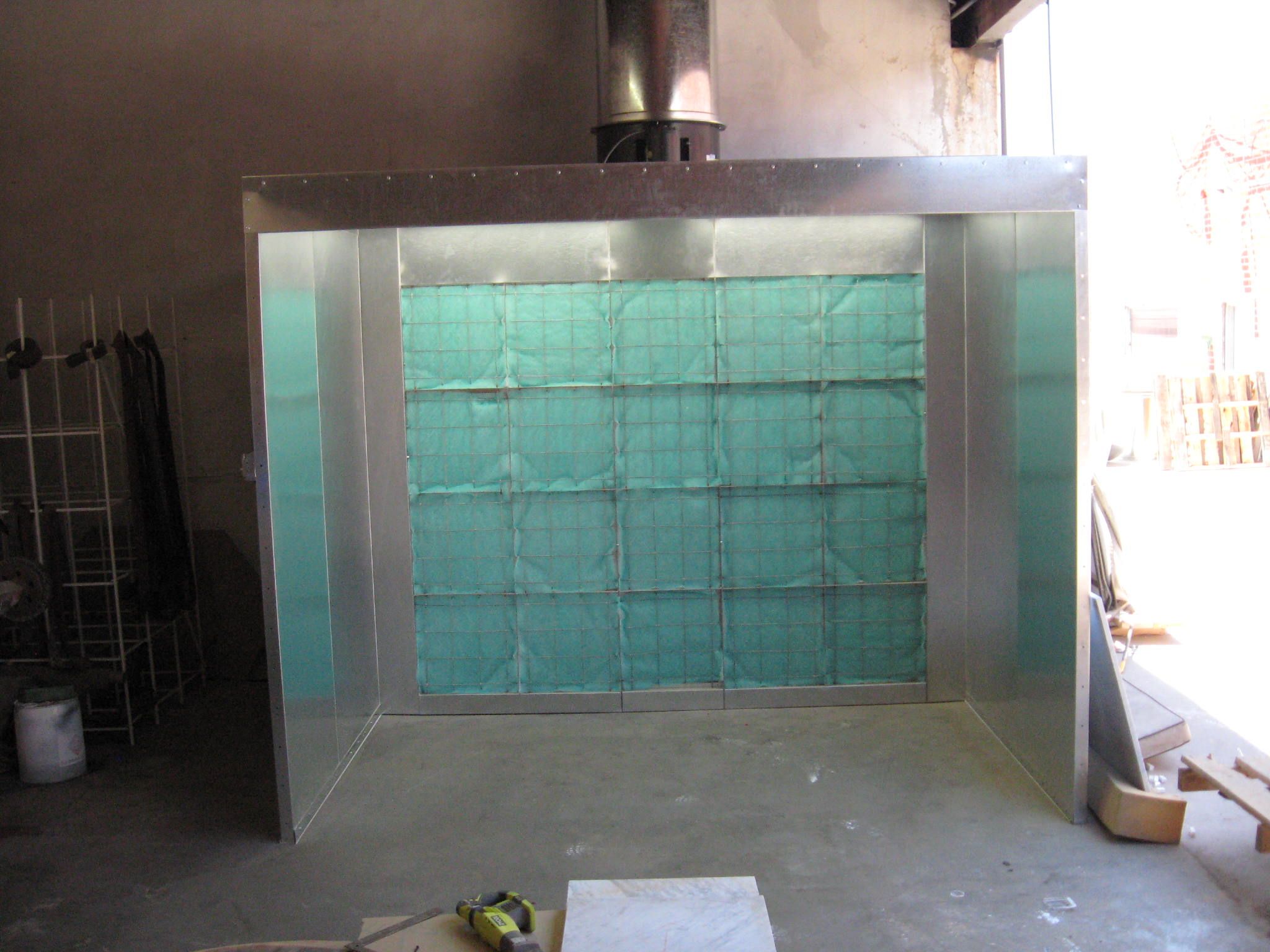
- Filtration Media: Choose the appropriate filtration media based on the type of paint you use.
- Filter bags: Capture overspray and dust particles.
- Filter pads: Provide a higher level of filtration for fine particles.
- Activated carbon: Absorbs organic vapors from solvent-based paints.
4. Safety Considerations:
- Ventilation: Ensure adequate ventilation to remove fumes and dust.
- Fire Suppression: Install a fire suppression system in case of accidental fire.
- Electrical Safety: Use proper wiring and grounding to prevent electrical hazards.
- Personal Protective Equipment (PPE): Always wear appropriate PPE, including a respirator, gloves, and eye protection.
5. Maintenance and Cleaning:
- Regular Cleaning: Clean the booth regularly to remove dust and overspray.
- Filter Replacement: Replace filters regularly according to the manufacturer’s recommendations.
- Ventilation System: Check the ventilation system for proper operation and clean any debris.
Building a Semi Downdraft Paint Booth: A Step-by-Step Guide:
1. Planning and Design:
- Determine your needs: Consider the size of your projects, the type of paint you use, and your budget.
- Choose a location: Select a well-ventilated area with access to fresh air and power.
- Design your booth: Create a detailed plan including dimensions, materials, ventilation, and lighting.
2. Framing:
- Materials: Use sturdy lumber like 2x4s or 2x6s for the frame.
- Dimensions: Construct the frame according to your design specifications.
- Reinforcement: Use bracing and corner supports to strengthen the frame.
3. Walls and Ceiling:
- Material: Use fire-rated drywall or metal panels for the walls and ceiling.
- Installation: Secure the wall and ceiling panels to the frame using screws or nails.
- Seams: Seal all seams and gaps with fire-resistant caulk.
4. Floor:
- Material: Use a non-slip, easy-to-clean material like concrete, epoxy, or tile.
- Slope: Create a slight slope towards the drain.
- Drainage: Install a drain in the floor to collect overspray and runoff.
5. Ventilation System:
- Fans: Install powerful exhaust and intake fans.
- Filters: Choose appropriate filters based on the type of paint you use.
- Ducts: Connect the fans and filters to the outside vent.
6. Lighting:
- Type: Install fluorescent or LED lights.
- Placement: Position lights strategically to avoid glare and shadows.
7. Finishing:
- Paint: Prime and paint the booth using durable, washable paint.
- Sealant: Apply a sealant to protect the paint and make cleaning easier.
- Accessories: Install necessary accessories like hooks, shelves, and a paint sprayer holder.
Building a Semi Downdraft Paint Booth: Cost Considerations:
- Materials: The cost of materials will vary depending on the size and complexity of the booth. Expect to spend several hundred to several thousand dollars.
- Labor: If you are doing the work yourself, the labor cost will be minimal. However, if you hire a contractor, the labor costs can be significant.
- Ventilation System: The ventilation system can be a major expense, particularly if you need to install a dedicated ductwork system.
- Lighting: Lighting can add to the overall cost, especially if you choose high-quality, energy-efficient lighting.
Building a Semi Downdraft Paint Booth: Safety Precautions:
- Ventilation: Ensure adequate ventilation to remove fumes and dust.
- Fire Suppression: Install a fire suppression system.
- Electrical Safety: Use proper wiring and grounding.
- Personal Protective Equipment (PPE): Always wear appropriate PPE.
Conclusion:
Building a semi downdraft paint booth is a rewarding DIY project that can significantly enhance your painting experience. By following this comprehensive guide, you can create a professional-quality paint booth that will provide years of service. Remember to prioritize safety, plan carefully, and choose quality materials for long-lasting results.
Building a Semi Downdraft Paint Booth: A DIY Guide to Professional Results
Post a Comment for "Building A Semi Downdraft Paint Booth: DIY Guide"