Agricultural Art: The Beauty of Painted Hill Corn

Table of Content
Painted Hill corn, also known as "Indian corn" or "multicolored corn," is a striking and captivating variety of maize that has long been admired for its vibrant hues and unique patterns. This corn, with its heritage rooted in Native American agriculture, is not just a source of sustenance but also a testament to the beauty and artistry inherent in nature.
A Tapestry of Colors and Patterns:
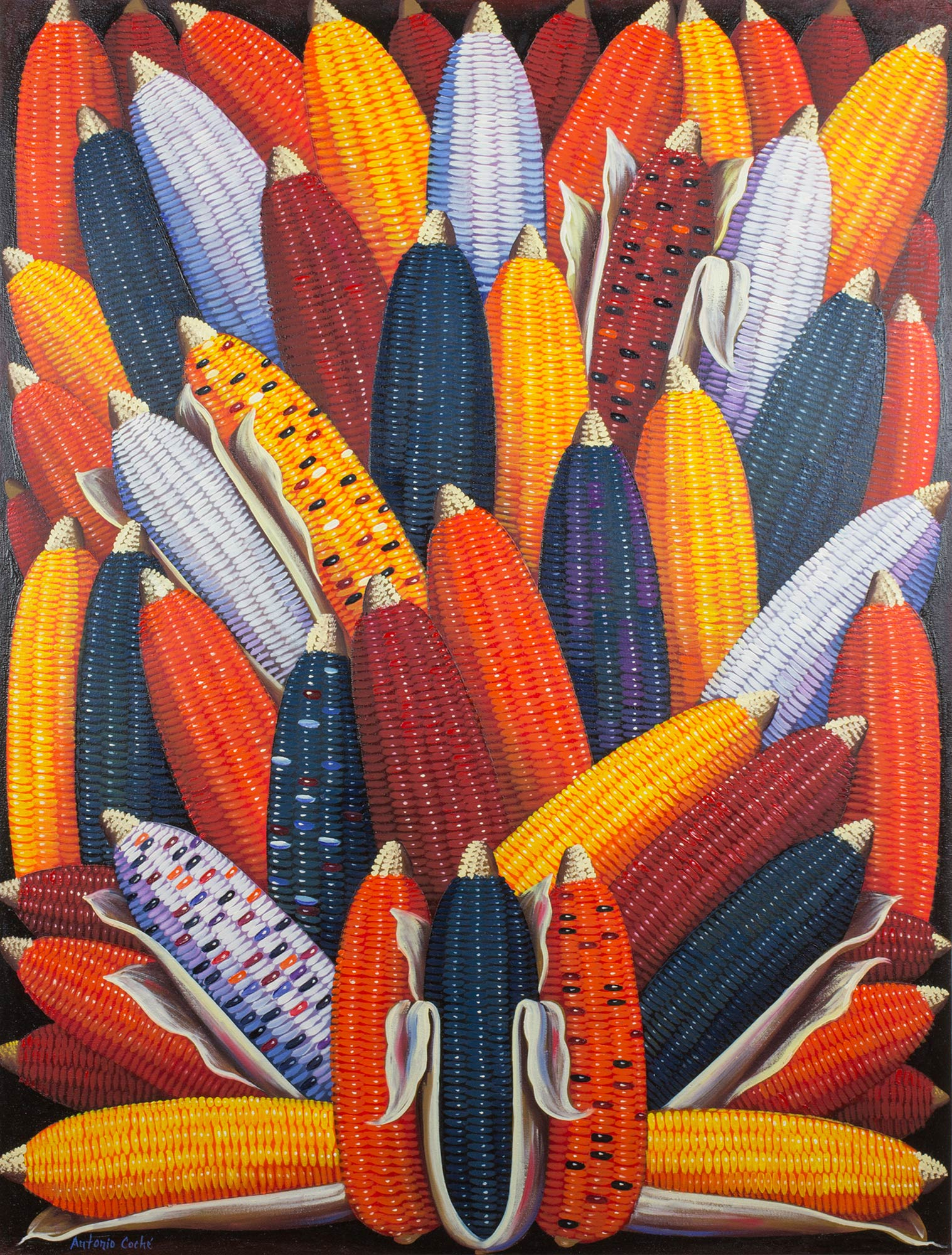
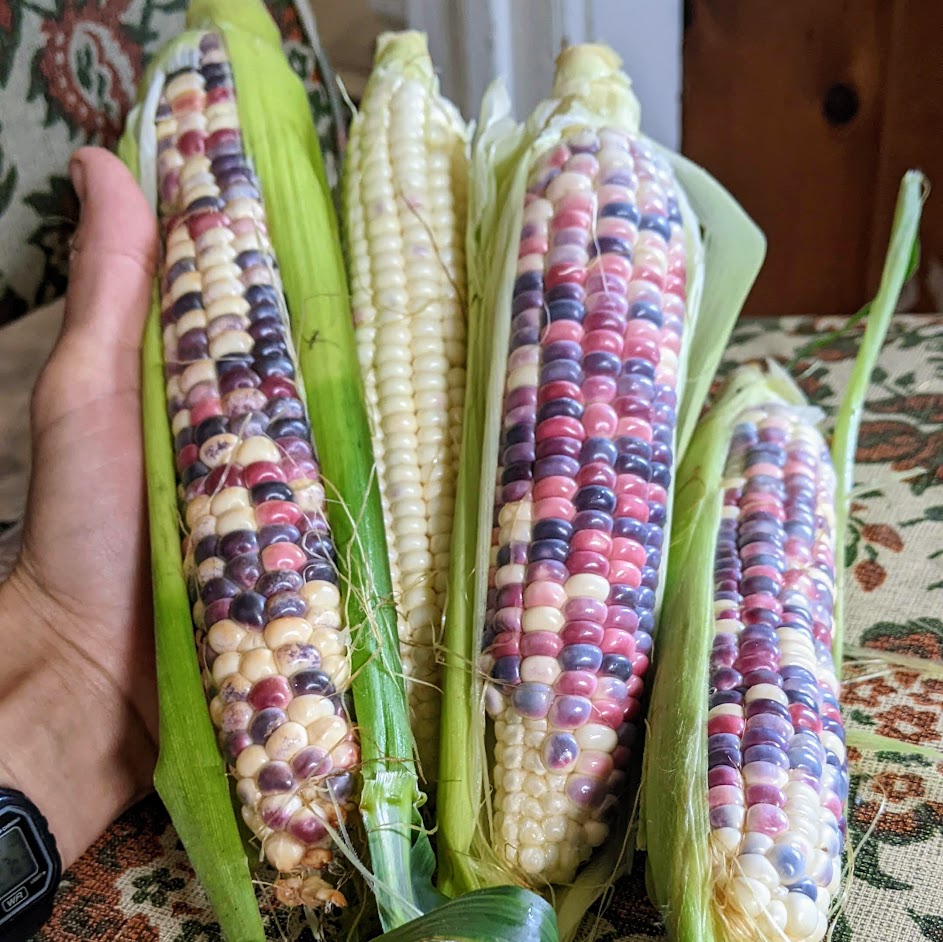
Painted Hill corn stands out with its diverse array of colors, ranging from deep reds and purples to brilliant yellows and oranges, often blended in intricate patterns. Each kernel is a miniature work of art, showcasing a kaleidoscope of shades that create a breathtaking visual spectacle. These colors are not mere superficial embellishments; they are a result of genetic variations that have been carefully nurtured and selected over generations.
A Legacy of Native American Culture:
The cultivation of Painted Hill corn is deeply intertwined with the history and culture of Native American tribes. For centuries, these indigenous communities have prized this corn not only for its aesthetic appeal but also for its nutritional value and its role in various ceremonies and traditions. The vibrant colors and patterns were often used to symbolize different aspects of life, nature, and spirituality.
Beyond the Fields: The Art of Painted Hill Corn
The beauty of Painted Hill corn extends beyond the fields, inspiring creativity in various art forms. Artists and artisans have incorporated this corn into their works, creating stunning mosaics, intricate weavings, and vibrant decorations. The unique colors and patterns lend themselves beautifully to a wide range of crafts, from jewelry and home décor to sculptures and murals.
Cultivating the Beauty:
Growing Painted Hill corn is a rewarding experience for both seasoned gardeners and beginners. Its striking appearance and relatively easy cultivation make it a popular choice for home gardens.
Planting and Care:
- Planting: Painted Hill corn thrives in warm climates and requires full sun. Plant seeds after the last frost, ensuring the soil is well-drained.
- Spacing: Plant seeds approximately 6-8 inches apart in rows spaced 2-3 feet apart.
- Watering: Provide regular watering, especially during the initial stages of growth.
- Fertilization: Apply a balanced fertilizer to promote healthy growth.
- Support: As the plants grow taller, provide support with stakes or trellises to prevent them from falling over.

Harvesting and Preservation:
- Harvesting: When the kernels are fully mature, usually around 100 days after planting, the ears can be harvested.
- Preservation: Painted Hill corn can be preserved for later use by drying, freezing, or canning.

Beyond the Garden: The Versatility of Painted Hill Corn
Painted Hill corn is not just a decorative marvel; it is also a valuable culinary ingredient. Its unique flavor and texture add a touch of creativity to various dishes, from soups and stews to salads and side dishes.
Culinary Uses:
- Popcorn: The kernels are ideal for popping, creating a colorful and flavorful snack.
- Cornmeal: Grind the kernels into cornmeal for use in baking, making tortillas, or creating polenta.
- Cornbread: Use the cornmeal to bake delicious cornbread, adding a vibrant touch to your table.
- Decorations: The dried ears of corn are perfect for creating decorative arrangements, wreaths, and centerpieces.
The Future of Painted Hill Corn:
As awareness of this unique and beautiful corn variety grows, its popularity is steadily increasing. Gardeners, chefs, and artisans alike are discovering the versatility and beauty of Painted Hill corn, ensuring its continued presence in our fields, kitchens, and homes.
Conclusion:
Painted Hill corn is more than just a crop; it is a symbol of cultural heritage, artistic inspiration, and culinary creativity. Its vibrant colors, intricate patterns, and rich history make it a captivating and cherished element of our agricultural landscape. As we continue to appreciate and cultivate this unique variety of corn, we celebrate not only its beauty but also the enduring legacy of the people who have nurtured it for generations.
Our Form: The Colorful World of Painted Hill Corn: A Celebration of Heritage, Art, and Culinary Delight
Introduction:
Painted Hill corn, also known as Indian corn or multicolored corn, is a captivating variety of maize that has captivated hearts and minds for centuries. This vibrant and visually stunning corn is more than just a source of sustenance; it is a testament to the artistry of nature, a symbol of cultural heritage, and a source of culinary inspiration.
A Tapestry of Colors and Patterns:
Painted Hill corn is a masterpiece of natural artistry, boasting a stunning palette of colors that range from deep reds and purples to brilliant yellows and oranges. Each kernel is a miniature work of art, showcasing a kaleidoscope of shades arranged in intricate patterns. This remarkable diversity of colors is not merely superficial; it is a result of genetic variations that have been carefully nurtured and selected over generations, creating a visual spectacle that is both breathtaking and captivating.
A Legacy of Native American Culture:
The cultivation of Painted Hill corn is deeply intertwined with the history and culture of Native American tribes across the Americas. For centuries, these indigenous communities have cherished this corn for its aesthetic appeal, its nutritional value, and its integral role in various ceremonies and traditions. The vibrant colors and patterns were often used to symbolize different aspects of life, nature, and spirituality, making Painted Hill corn more than just a crop; it was a living embodiment of their cultural heritage.
Beyond the Fields: The Art of Painted Hill Corn:
The beauty of Painted Hill corn transcends the fields, inspiring creativity and igniting the imagination of artists and artisans across the globe. Its vibrant hues and intricate patterns have been incorporated into a wide array of art forms, creating stunning mosaics, intricate weavings, and vibrant decorations that showcase the corn’s inherent artistry. From jewelry and home décor to sculptures and murals, Painted Hill corn has become a canvas for creative expression, transforming everyday objects into works of art.
Cultivating the Beauty: A Guide to Growing Painted Hill Corn:
Growing Painted Hill corn is a rewarding experience for both seasoned gardeners and beginners. Its striking appearance and relatively easy cultivation make it a popular choice for home gardens, adding a touch of vibrant color and cultural significance to any landscape.
Planting and Care:
- Planting: Painted Hill corn thrives in warm climates and requires full sun to flourish. Plant seeds after the last frost, ensuring the soil is well-drained and fertile.
- Spacing: Plant seeds approximately 6-8 inches apart in rows spaced 2-3 feet apart, allowing ample room for the plants to grow and mature.
- Watering: Provide regular watering, especially during the initial stages of growth when the plants are establishing their root systems.
- Fertilization: Apply a balanced fertilizer to promote healthy growth and ensure the plants receive the necessary nutrients.
- Support: As the plants grow taller, provide support with stakes or trellises to prevent them from falling over, especially in areas prone to strong winds.
Harvesting and Preservation:
- Harvesting: When the kernels are fully mature, usually around 100 days after planting, the ears can be harvested. The husks should be dry and the kernels should feel firm to the touch.
- Preservation: Painted Hill corn can be preserved for later use through various methods:
- Drying: Hanging the ears in a well-ventilated, dry area allows them to dry naturally, preserving their color and texture.
- Freezing: Shucking the ears and freezing the kernels individually ensures their freshness and allows for easy use in various recipes.
- Canning: Canning the corn in a water bath or pressure cooker preserves its flavor and nutrients for extended periods.
Beyond the Garden: The Versatility of Painted Hill Corn:
Painted Hill corn is not just a decorative marvel; it is a versatile culinary ingredient that adds a touch of creativity and cultural heritage to various dishes. Its unique flavor and texture, combined with its vibrant colors, make it a delightful addition to both traditional and modern cuisine.
Culinary Uses:
- Popcorn: Painted Hill corn kernels are ideal for popping, creating a colorful and flavorful snack that is both visually appealing and delicious.
- Cornmeal: Grinding the kernels into cornmeal produces a versatile ingredient that can be used in baking, making tortillas, or creating polenta, adding a vibrant touch to any meal.
- Cornbread: Using the cornmeal to bake delicious cornbread adds a touch of color and cultural heritage to the table, making it a delightful treat.
- Decorations: The dried ears of corn are perfect for creating decorative arrangements, wreaths, and centerpieces, adding a touch of natural beauty and cultural significance to any space.
The Future of Painted Hill Corn:
As awareness of this unique and beautiful corn variety grows, its popularity is steadily increasing. Gardeners, chefs, and artisans alike are discovering the versatility and beauty of Painted Hill corn, ensuring its continued presence in our fields, kitchens, and homes. Its vibrant colors, intricate patterns, and rich history make it a captivating and cherished element of our agricultural landscape, reminding us of the artistry of nature and the importance of preserving cultural heritage.
Conclusion:
Painted Hill corn is more than just a crop; it is a symbol of cultural heritage, artistic inspiration, and culinary creativity. Its vibrant colors, intricate patterns, and rich history make it a captivating and cherished element of our agricultural landscape. As we continue to appreciate and cultivate this unique variety of corn, we celebrate not only its beauty but also the enduring legacy of the people who have nurtured it for generations.
Diagram:
| Feature | Description |
|---|---|
| Colors | Deep reds, purples, yellows, oranges |
| Patterns | Intricate, varied, often symmetrical |
| Cultural Significance | Symbol of Native American heritage, used in ceremonies and traditions |
| Art and Crafts | Used in mosaics, weavings, jewelry, home décor, sculptures, murals |
| Culinary Uses | Popcorn, cornmeal, cornbread, decorations |
| Cultivation | Thrives in warm climates, full sun, well-drained soil, requires regular watering and fertilization |
| Preservation | Drying, freezing, canning |
Keywords: Painted Hill corn, Indian corn, multicolored corn, Native American culture, art, crafts, culinary uses, cultivation, preservation, history, heritage, beauty, vibrant colors, intricate patterns.
Agricultural Art: The Beauty of Painted Hill Corn
Post a Comment for "Agricultural Art: The Beauty Of Painted Hill Corn"