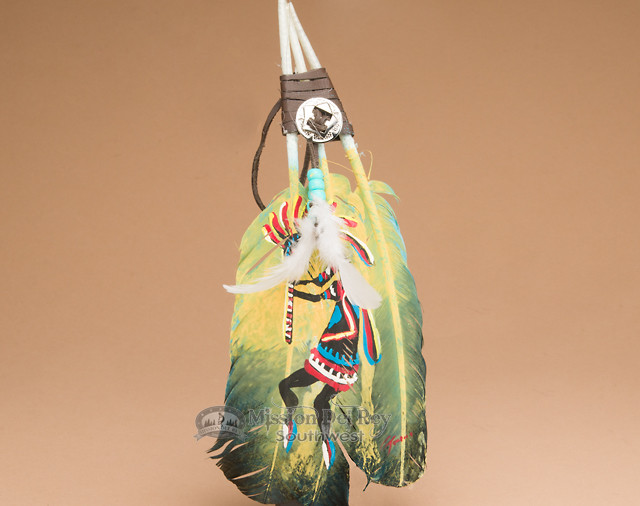
Native American Painted Feathers: Symbolism and Artistry
Native American painted feathers hold profound cultural significance and artistic beauty. Adorned by tribal members for centuries, these feathers serve as emblems of honor, spirituality, and personal expression. Their vibrant hues and intricate designs reflect the rich traditions and beliefs of Native American cultures.
Cultural Symbolism
Painted feathers play a pivotal role in Native American ceremonies and rituals. They symbolize:
- Power and Strength: Eagle feathers, particularly those with white tips, are revered for their association with power, courage, and leadership.
- Spirituality and Connection: Feathers are believed to carry prayers and messages to the spirit world. They facilitate communication with ancestors and the divine.
- Honor and Respect: Feathers are bestowed upon individuals who have demonstrated exceptional bravery, wisdom, or service to their community.
- Transition and Transformation: Feathers are often used in ceremonies marking life transitions, such as birth, marriage, and death. They symbolize the passage from one stage of life to another.
- Protection and Guidance: Feathers are believed to offer protection from harm and provide guidance on the path of life.
Artistic Techniques
Native American artists employ various techniques to create painted feathers. These include:
- Natural Dyes: Feathers are dyed using natural pigments extracted from plants, berries, and minerals.
- Geometric Designs: Feathers are adorned with intricate geometric patterns, often inspired by natural elements such as lightning bolts, clouds, and animal tracks.
- Symbolism: Feathers are painted with symbols that convey specific meanings, such as the circle for unity, the cross for the four directions, and the arrow for protection.
- Feather Preparation: Feathers are carefully cleaned, dried, and sometimes softened before being painted.
- Feather Shaping: Feathers can be cut, shaped, and adorned with beads, leather, or other materials to enhance their aesthetic appeal.
Variations by Tribe
Different Native American tribes have their own unique styles and traditions of painted feathers. Some notable examples include:
- Lakota Sioux: Known for their elaborate feather headdresses adorned with eagle feathers, beadwork, and horsehair.
- Apache: Use feathers in medicine bundles and ceremonial regalia, often painted with geometric designs and symbols of healing.
- Navajo: Create intricate feather designs using natural dyes and geometric patterns, incorporating turquoise and silver accents.
- Hopi: Paint feathers with symbols representing the four directions, the sun, and the moon.
- Crow: Use feathers in war bonnets and ceremonial dances, often painted with black and white geometric designs.
Contemporary Interpretations
In contemporary times, Native American painted feathers continue to be revered and appreciated for their cultural significance and artistic beauty. They are incorporated into a variety of art forms, including:
- Jewelry: Feathers are used in earrings, necklaces, and bracelets, often combined with beads, turquoise, and silver.
- Home Decor: Painted feathers are used to create dreamcatchers, wall hangings, and other decorative items.
- Fashion: Feathers are incorporated into clothing, accessories, and textiles, adding a touch of Native American flair.
- Ceremonial Use: Painted feathers remain an integral part of Native American ceremonies and rituals, honoring the traditions and beliefs of their ancestors.
Conclusion
Native American painted feathers are a testament to the rich cultural heritage and artistic prowess of Native American peoples. Their vibrant colors, intricate designs, and profound symbolism continue to captivate and inspire people around the world. Whether used in traditional ceremonies or contemporary art forms, painted feathers embody the enduring legacy and cultural significance of Native American traditions.
Post a Comment for "Native American Painted Feathers: Symbolism And Artistry"