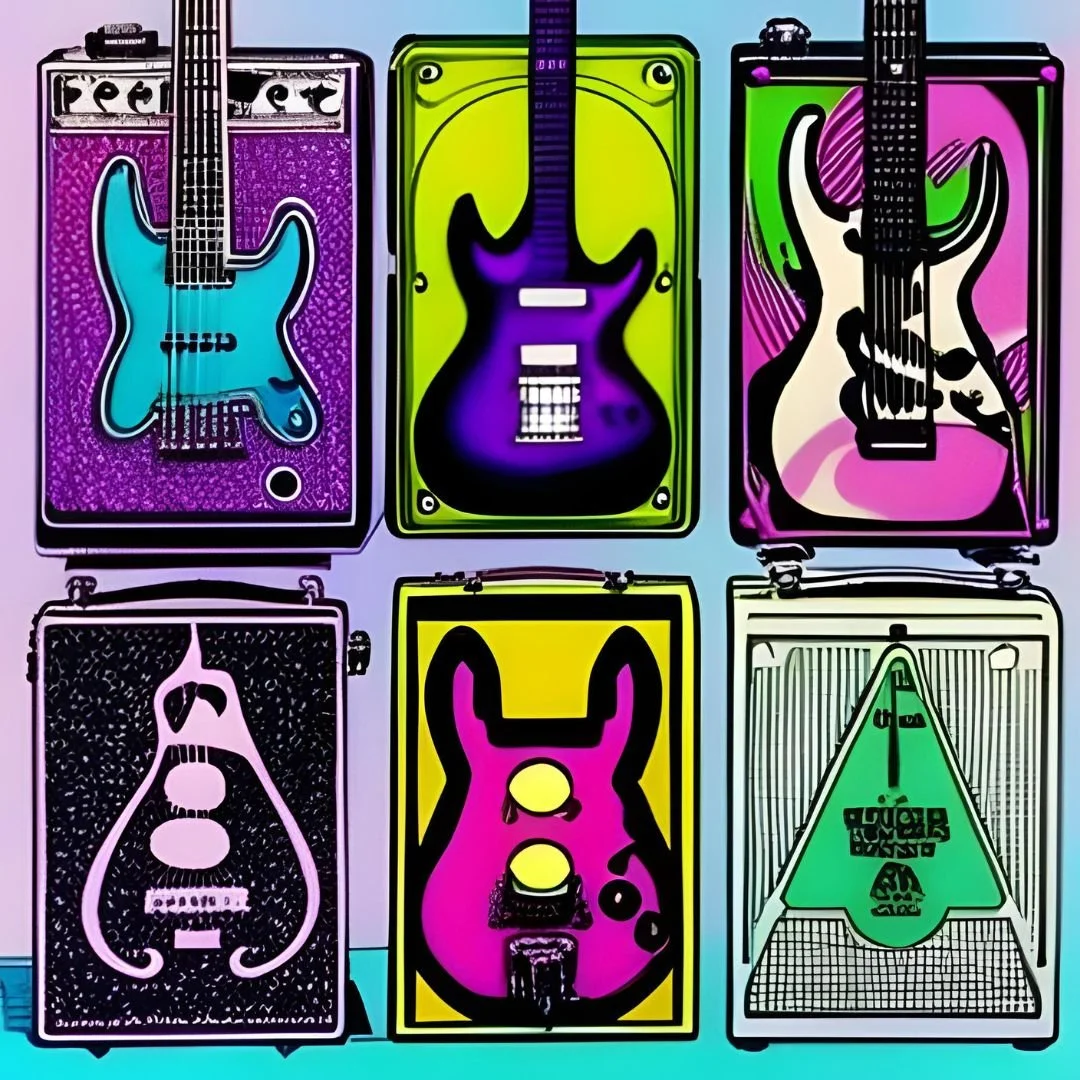
Painting Guitar Pedals with Style: A Comprehensive Guide to Customizing Your Effects
Introduction
Guitar pedals are an essential part of any guitarist’s arsenal, providing a myriad of sonic possibilities to shape and enhance their sound. While their primary function lies in their electronic circuitry, the aesthetics of a pedal can also play a significant role in inspiring creativity and enhancing the overall playing experience. Painting guitar pedals is an art form that allows guitarists to personalize their gear and express their individuality. This comprehensive guide will delve into the intricacies of painting guitar pedals, providing step-by-step instructions, expert tips, and inspiration to help you create custom works of art that are both visually stunning and sonically exceptional.
Materials and Preparation
Before embarking on your pedal painting journey, it is crucial to gather the necessary materials and prepare your pedal for the transformation. Essential supplies include:
- High-quality acrylic paints
- Paint brushes of various sizes and shapes
- Primer (optional)
- Clear coat
- Sandpaper or sanding sponge
- Masking tape
- Cleaning solution
Begin by thoroughly cleaning the pedal to remove any dirt or debris. If desired, apply a layer of primer to create a smooth base for the paint. Use masking tape to protect any areas you do not wish to paint, such as knobs, jacks, or switches.
Choosing a Design
The design possibilities for painting guitar pedals are endless, limited only by your imagination. Consider the following factors when selecting a design:
- Personal style: Choose a design that reflects your personality and musical aesthetic.
- Pedal function: Consider the purpose of the pedal and how the design might complement its sound.
- Color scheme: Select colors that harmonize with your guitar and other gear.
- Inspiration: Draw inspiration from artwork, nature, or other sources that resonate with you.
Painting Techniques
Once you have chosen a design, it is time to bring it to life. Here are some fundamental painting techniques to master:
- Base coat: Apply a thin, even layer of paint as the base color. Allow it to dry completely.
- Layering: Build up the design by adding additional layers of paint. Use different brush sizes and shapes to create depth and texture.
- Blending: Blend colors together using a damp brush or blending medium to create smooth transitions.
- Detailing: Use fine brushes to add intricate details, such as lettering, patterns, or designs.
Clear Coating
Once the paint is dry, it is essential to protect your masterpiece with a clear coat. This will seal the paint, prevent chipping, and enhance its durability. Apply several thin layers of clear coat, allowing each layer to dry completely before applying the next.
Finishing Touches
After the clear coat has dried, remove the masking tape and make any final adjustments. You may choose to add additional embellishments, such as glitter, decals, or rhinestones, to further personalize your pedal.
Inspiration Gallery
To inspire your creativity, here is a gallery of stunningly painted guitar pedals:
| Image | Description |
|---|---|
| [Image of a pedal painted with a vibrant sunset scene] | This pedal captures the beauty of a sunset with its warm hues and intricate cloud formations. |
| [Image of a pedal painted with a geometric pattern] | This pedal features a bold geometric design in contrasting colors, creating a striking visual impact. |
| [Image of a pedal painted with a floral motif] | This pedal is adorned with a delicate floral pattern, adding a touch of elegance to its functional purpose. |
Conclusion
Painting guitar pedals is an art form that allows guitarists to express their creativity and create custom gear that is both visually appealing and sonically exceptional. By following the steps outlined in this guide, you can transform your pedals into works of art that will inspire you and enhance your musical experience. Remember to experiment with different designs, techniques, and materials to find your unique style. With patience and practice, you can create custom guitar pedals that are not only functional but also beautiful and reflective of your musical journey.
Post a Comment for "Music Gear: Painting Guitar Pedals With Style"