Installing a Paint Booth Curtain: Enhancing Your Workspace

Table of Content
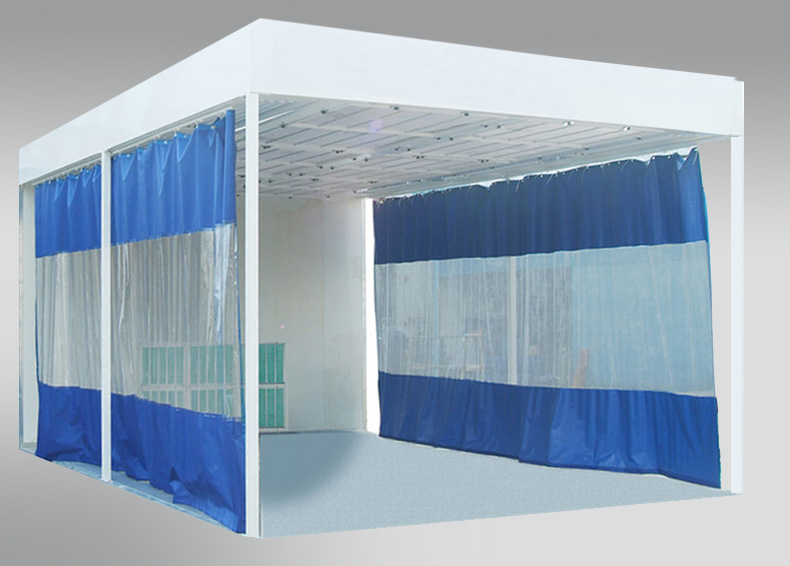
A paint booth curtain is an essential component of any professional paint shop, offering numerous benefits that enhance both productivity and safety. This guide provides a comprehensive walkthrough of the installation process, ensuring a smooth and successful outcome.
Understanding the Importance of a Paint Booth Curtain
Paint booth curtains serve several crucial functions:
- Containment: They effectively prevent overspray from escaping the booth, minimizing cleanup and ensuring a cleaner working environment.
- Safety: They act as a barrier, protecting workers from hazardous paint fumes and dust particles.
- Efficiency: By containing the spray mist, they allow for faster drying times and reduce the need for extensive cleaning.
- Professionalism: A clean and well-maintained paint booth exudes professionalism, projecting a positive image to clients.
Choosing the Right Paint Booth Curtain

The first step in installing a paint booth curtain is selecting the appropriate type for your needs. Consider these factors:
- Material: Vinyl, polyester, and nylon are common materials, each offering varying levels of durability, fire resistance, and UV protection.
- Thickness: The thickness determines the curtain’s strength and its ability to contain overspray. Heavier curtains are generally preferred for high-volume applications.
- Transparency: Clear curtains allow for visibility into the booth, while opaque curtains provide better light control.
- Size and Shape: Ensure the curtain dimensions match your booth’s size and configuration.
Essential Tools and Materials
Before you begin the installation, gather the necessary tools and materials:
- Paint booth curtain: The chosen curtain, including any required hardware.
- Measuring tape: For accurate measurements.
- Level: To ensure the curtain is installed straight and evenly.
- Drill: For drilling holes for mounting hardware.
- Screwdrivers: For securing the curtain to the mounting brackets.
- Safety glasses: To protect your eyes during the installation process.
- Gloves: To protect your hands from potential irritants.
- Ladder: For reaching higher sections of the booth.
Step-by-Step Installation Guide
1. Preparation:
- Clear the work area: Remove any obstructions from the paint booth and surrounding area.
- Clean the mounting surfaces: Ensure the surfaces where the curtain will be mounted are clean and free of debris.
2. Measuring and Marking:
- Measure the booth opening: Accurately measure the width and height of the booth opening where the curtain will be installed.
- Mark the mounting points: Using a pencil, mark the locations for the mounting brackets on the booth walls. Ensure the marks are level and spaced evenly.
3. Mounting the Brackets:
- Drill pilot holes: Drill pilot holes at the marked locations to prevent the screws from splitting the wood or metal.
- Secure the brackets: Use screws or bolts to securely fasten the mounting brackets to the booth walls. Ensure the brackets are firmly attached and level.
4. Installing the Curtain:
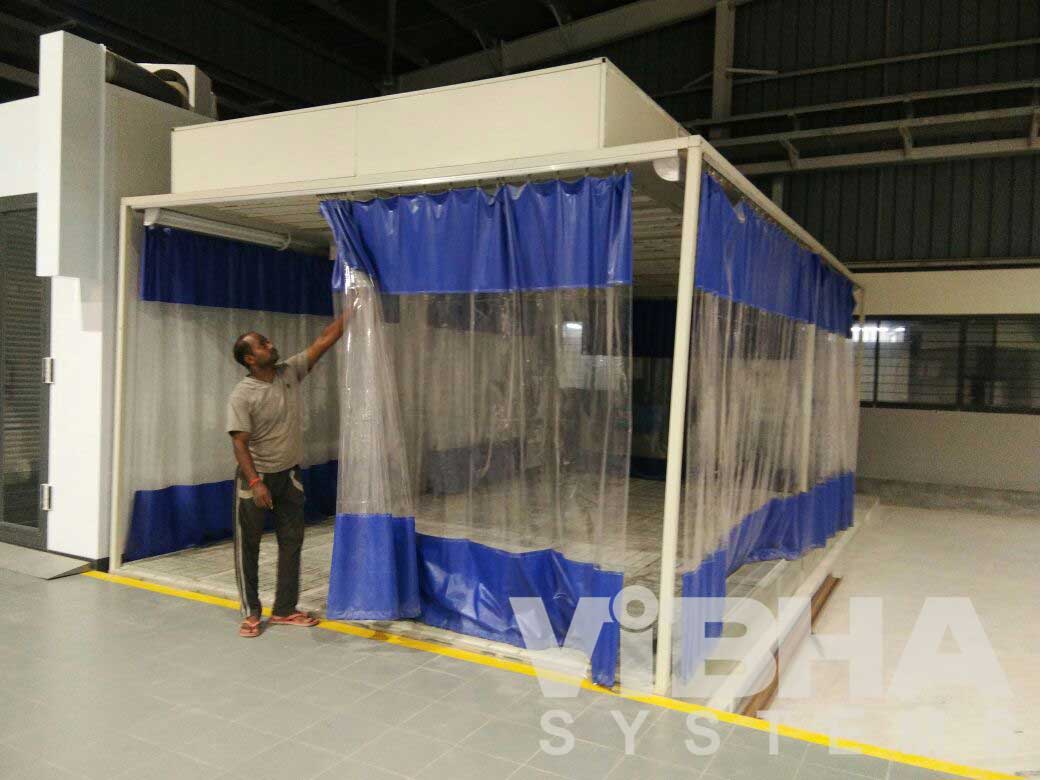
- Attach the curtain to the brackets: Depending on the curtain type, this may involve using clips, grommets, or other attachment mechanisms. Refer to the manufacturer’s instructions for specific guidance.
- Adjust the curtain: Once the curtain is attached, adjust its position to ensure it hangs straight and evenly.
- Secure the bottom: If necessary, use weights or other methods to secure the bottom of the curtain to prevent it from blowing or sagging.
5. Testing and Adjustments:
- Test the curtain’s functionality: Open and close the curtain to ensure it operates smoothly and without any binding or obstructions.
- Make adjustments as needed: If the curtain does not hang properly or is not operating smoothly, make necessary adjustments to the mounting brackets or curtain attachment points.
Maintenance Tips
- Regular Cleaning: Clean the curtain regularly to remove dust, overspray, and other contaminants. Use a mild detergent and water, avoiding harsh chemicals that could damage the material.
- Inspection and Repairs: Inspect the curtain for signs of wear and tear, such as tears, holes, or loose seams. Repair any damage promptly to prevent further deterioration.
- Replacement: If the curtain becomes excessively damaged or worn, replace it with a new one to ensure optimal performance and safety.
Choosing the Right Paint Booth Curtain for Your Needs
The market offers a wide array of paint booth curtains, each designed for specific applications and requirements. Here’s a breakdown of some popular options:
1. Vinyl Paint Booth Curtains:
- Advantages: Vinyl curtains are durable, water-resistant, and relatively inexpensive. They offer good resistance to overspray and are easy to clean.
- Disadvantages: Vinyl curtains can be susceptible to tearing and may not provide the same level of fire resistance as other materials.
- Applications: Ideal for general-purpose paint booths, light-duty applications, and areas where cost is a primary concern.
2. Polyester Paint Booth Curtains:
- Advantages: Polyester curtains are strong, durable, and offer excellent fire resistance. They are also resistant to UV degradation and are available in a variety of colors.
- Disadvantages: Polyester curtains can be more expensive than vinyl curtains.
- Applications: Suitable for high-volume paint booths, industrial settings, and applications where fire safety is a priority.
3. Nylon Paint Booth Curtains:
- Advantages: Nylon curtains are lightweight, flexible, and offer good resistance to overspray and abrasion. They are also relatively inexpensive.
- Disadvantages: Nylon curtains may not be as durable as polyester curtains and may not offer the same level of fire resistance.
- Applications: Well-suited for light-duty applications, temporary paint booths, and areas where flexibility and ease of installation are important.
4. Clear PVC Paint Booth Curtains:
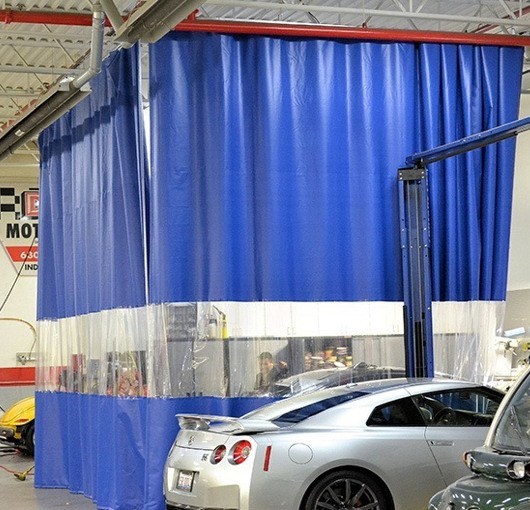
- Advantages: Clear PVC curtains allow for excellent visibility into the booth, making it easier to monitor the painting process. They are also durable and easy to clean.
- Disadvantages: Clear PVC curtains may not offer the same level of overspray containment as opaque curtains.
- Applications: Ideal for applications where visibility is paramount, such as custom paint shops or automotive repair facilities.
5. Fire-Resistant Paint Booth Curtains:
- Advantages: Fire-resistant curtains are designed to meet specific fire safety standards, providing an additional layer of protection in hazardous environments.
- Disadvantages: Fire-resistant curtains may be more expensive than standard curtains.
- Applications: Essential for paint booths in industries where fire hazards are present, such as automotive manufacturing or aerospace.
Conclusion
Installing a paint booth curtain is a simple yet effective way to enhance your workspace, improving safety, productivity, and overall professionalism. By following the steps outlined in this guide, you can ensure a successful installation that will meet your specific needs and provide years of reliable service. Remember to choose the right curtain for your application, use the appropriate tools and materials, and follow proper safety precautions throughout the process. With careful planning and execution, you can create a paint booth environment that is both functional and aesthetically pleasing.
Installing a Paint Booth Curtain: Enhancing Your Workspace
Post a Comment for "Installing A Paint Booth Curtain: Enhancing Your Workspace"