Unlocking the Secrets of Renoir’s Signature: A Comprehensive Guide for Collectors and Art Enthusiasts

Table of Content
- 1 Unlocking the Secrets of Renoir’s Signature: A Comprehensive Guide for Collectors and Art Enthusiasts
- 1.1 The Evolution of Renoir’s Signature: A Journey Through Time
- 1.2 Analyzing the Elements of Renoir’s Signature: A Detailed Examination
- 1.3 Spotting Forgeries and Imitations: Red Flags to Watch Out For
- 1.4 Expert Authentication: Seeking Professional Guidance
- 1.5 The Importance of Authentication: Protecting Your Investment
- 1.6 Conclusion: Embracing the Journey of Discovery
Pierre-Auguste Renoir, the celebrated Impressionist painter, left behind a legacy of exquisite canvases that continue to captivate art enthusiasts worldwide. Identifying a genuine Renoir signature is crucial for authentication and ensuring the legitimacy of a piece. This comprehensive guide delves into the nuances of Renoir’s signature evolution, providing valuable insights for collectors, art historians, and anyone seeking to understand the intricacies of his artistic mark.
The Evolution of Renoir’s Signature: A Journey Through Time
Renoir’s signature, like his artistic style, underwent subtle transformations throughout his career. Early works often feature a simple, flowing "P.A. Renoir" in a cursive script. As his fame grew, he experimented with different variations, adopting a more bold and legible signature with pronounced capital letters.
Early Period (1860s-1870s):
- "P.A. Renoir": This early signature typically appeared in a flowing cursive script, often with a slight upward slant. The "R" in Renoir was often elongated and graceful.
- "Pierre Auguste Renoir": In some instances, Renoir opted for his full name, written in a similar cursive style as the abbreviated signature.
Middle Period (1880s-1890s):
- "Renoir": As his signature evolved, Renoir began to favor a more concise "Renoir," often with a bold and legible script. The "R" remained prominent, while the "o" and "i" were typically written in a smaller size.
- "Pierre Renoir": He occasionally used his first and last name, often with a more formal and structured script.
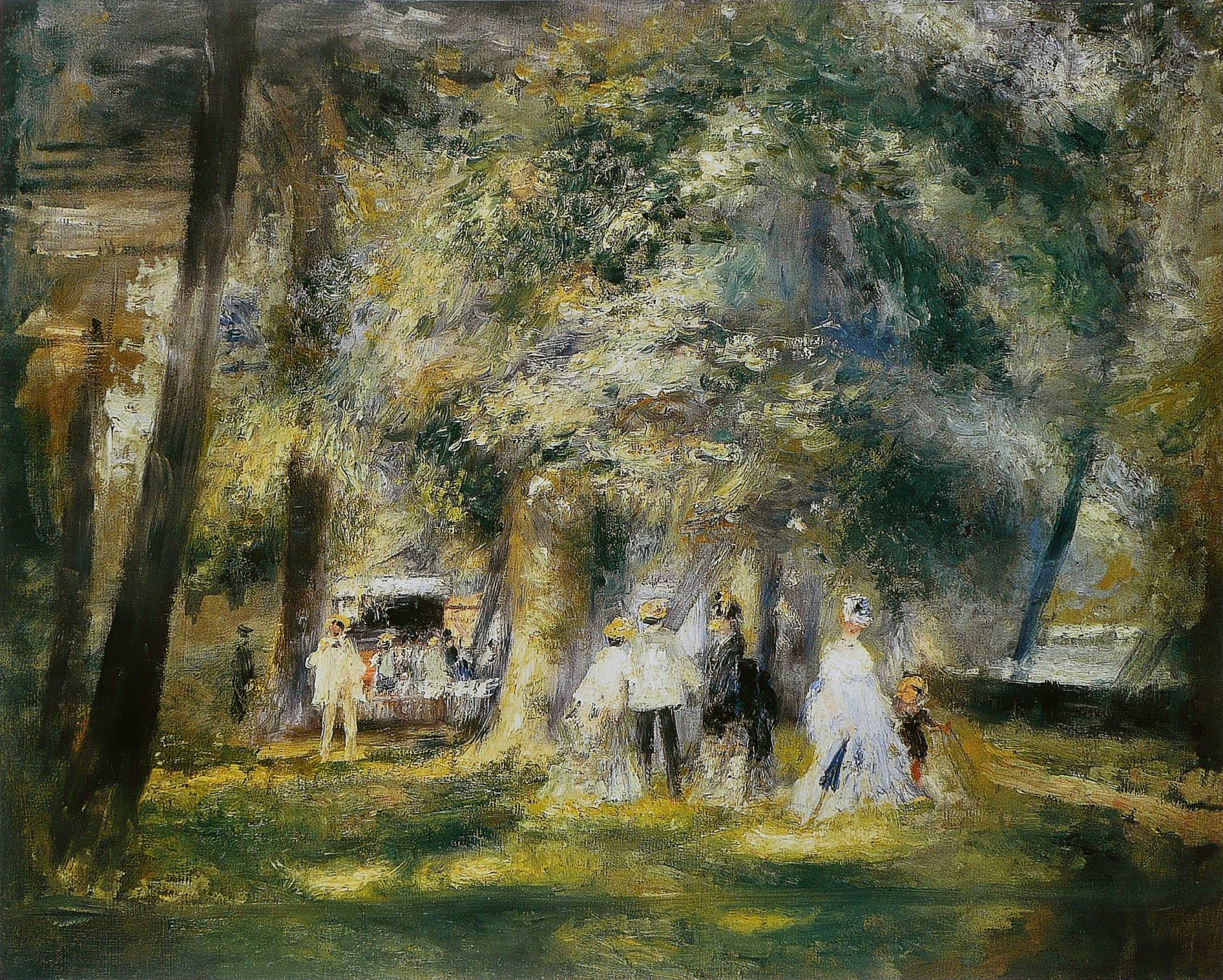
Late Period (1900s-1919):
- "Renoir": The signature "Renoir" became his most common choice in his later years. He continued to use a bold and legible script, with a slight variation in the "R" and "o" depending on the canvas and his physical limitations.
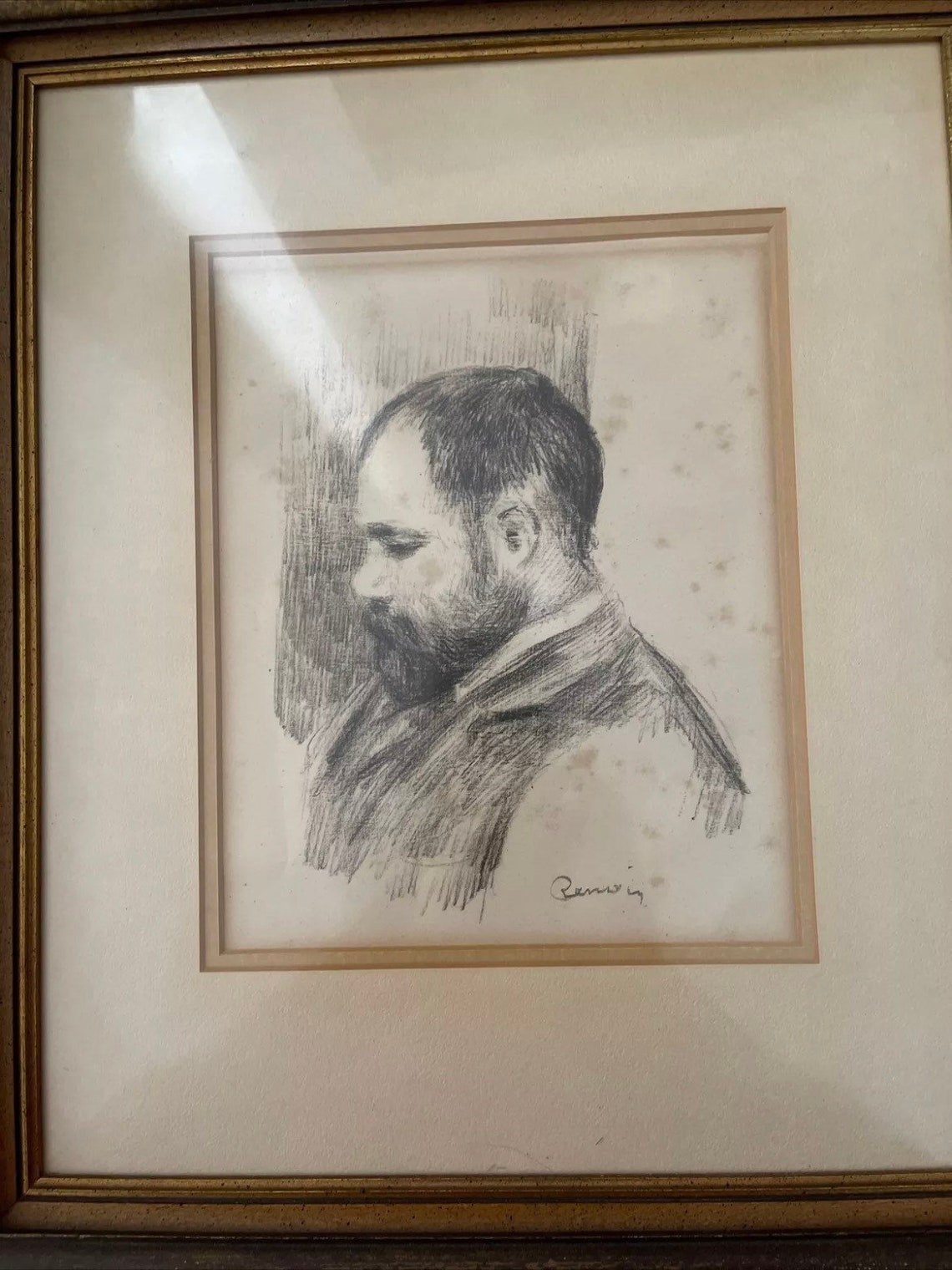
Analyzing the Elements of Renoir’s Signature: A Detailed Examination
Beyond the stylistic evolution, several key elements contribute to the authenticity of a Renoir signature:
- Placement: Renoir typically placed his signature in the lower right corner of his canvases. He occasionally signed in the lower left or even within the composition, but this was less common.
- Ink and Color: Renoir primarily used black ink for his signatures, although he occasionally experimented with other colors, particularly in his later years.
- Legibility: While Renoir’s signature evolved, it generally maintained a degree of legibility. He avoided overly stylized or difficult-to-decipher scripts.
- Consistency: Renoir’s signature, despite its variations, exhibited a level of consistency in terms of letter formation and overall style. This consistency is a crucial factor in authentication.

Spotting Forgeries and Imitations: Red Flags to Watch Out For
Forgers have long been drawn to the allure of Renoir’s masterpieces. Recognizing potential forgeries requires a keen eye and knowledge of the artist’s signature nuances. Here are some red flags to watch out for:
- Inconsistent Style: A signature that deviates significantly from Renoir’s established styles, particularly in letter formation and overall script, is a major warning sign.
- Unnatural Placement: Signatures placed in unusual locations on the canvas, outside the typical lower right corner, should raise suspicion.
- Uncharacteristic Ink or Color: The use of unusual ink colors or a significant deviation from Renoir’s preferred black ink is a cause for concern.
- Clumsy or Unfinished Script: Forgeries often exhibit a lack of finesse and precision, resulting in clumsy or unfinished letter formation.
- Lack of Provenance: A lack of verifiable provenance, including documentation tracing the artwork’s ownership history, is a red flag.
Expert Authentication: Seeking Professional Guidance
While this guide provides valuable insights, it is crucial to remember that authenticating a Renoir painting requires the expertise of qualified professionals. Art historians, conservators, and reputable auction houses possess the knowledge and experience to conduct thorough examinations and determine the authenticity of a piece.
Here’s a breakdown of the services provided by experts in Renoir authentication:
- Visual Examination: Experts meticulously examine the painting, analyzing the signature, brushstrokes, pigments, and overall style to identify any inconsistencies or signs of forgery.
- Technical Analysis: Advanced techniques such as X-ray fluorescence, infrared reflectography, and pigment analysis can reveal underlying layers, hidden signatures, and other evidence that can aid in authentication.
- Documentation Review: Experts meticulously review the painting’s provenance, examining historical records, auction catalogs, and other documentation to verify its ownership history.
The Importance of Authentication: Protecting Your Investment
Authenticating a Renoir painting is not just a matter of intellectual curiosity; it is crucial for protecting your investment. A genuine Renoir can appreciate in value over time, while a forgery is essentially worthless. By seeking expert authentication, you ensure that you are acquiring a genuine masterpiece and safeguard your financial interests.
Conclusion: Embracing the Journey of Discovery
Identifying a Renoir signature is a journey of discovery, requiring a deep understanding of the artist’s stylistic evolution, the nuances of his signature, and the potential pitfalls of forgery. By combining this knowledge with expert authentication, you can confidently navigate the world of Renoir collecting and appreciate the beauty and value of his timeless art.
Diagram: Renoir Signature Evolution
| Period | Signature Style | Example |
|---|---|---|
| Early (1860s-1870s) | "P.A. Renoir" in flowing cursive script | [Image of early signature] |
| Middle (1880s-1890s) | "Renoir" in bold, legible script | [Image of middle period signature] |
| Late (1900s-1919) | "Renoir" in bold, legible script with slight variations | [Image of late period signature] |
Note: The images in the diagram should be replaced with actual examples of Renoir signatures from each period.
Keywords: Renoir signature, Renoir authentication, Renoir forgery, Renoir painting, Impressionist art, art authentication, art collecting, art history, Renoir signature evolution, Renoir provenance, Renoir expert, Renoir signature analysis.

Unlocking the Secrets of Renoir’s Signature: A Comprehensive Guide for Collectors and Art Enthusiasts
Post a Comment for "Identifying A Renoir Signature On Paintings"