Unleashing Geometric Abstraction: A Comprehensive Guide to Creating Stunning Canvas Art
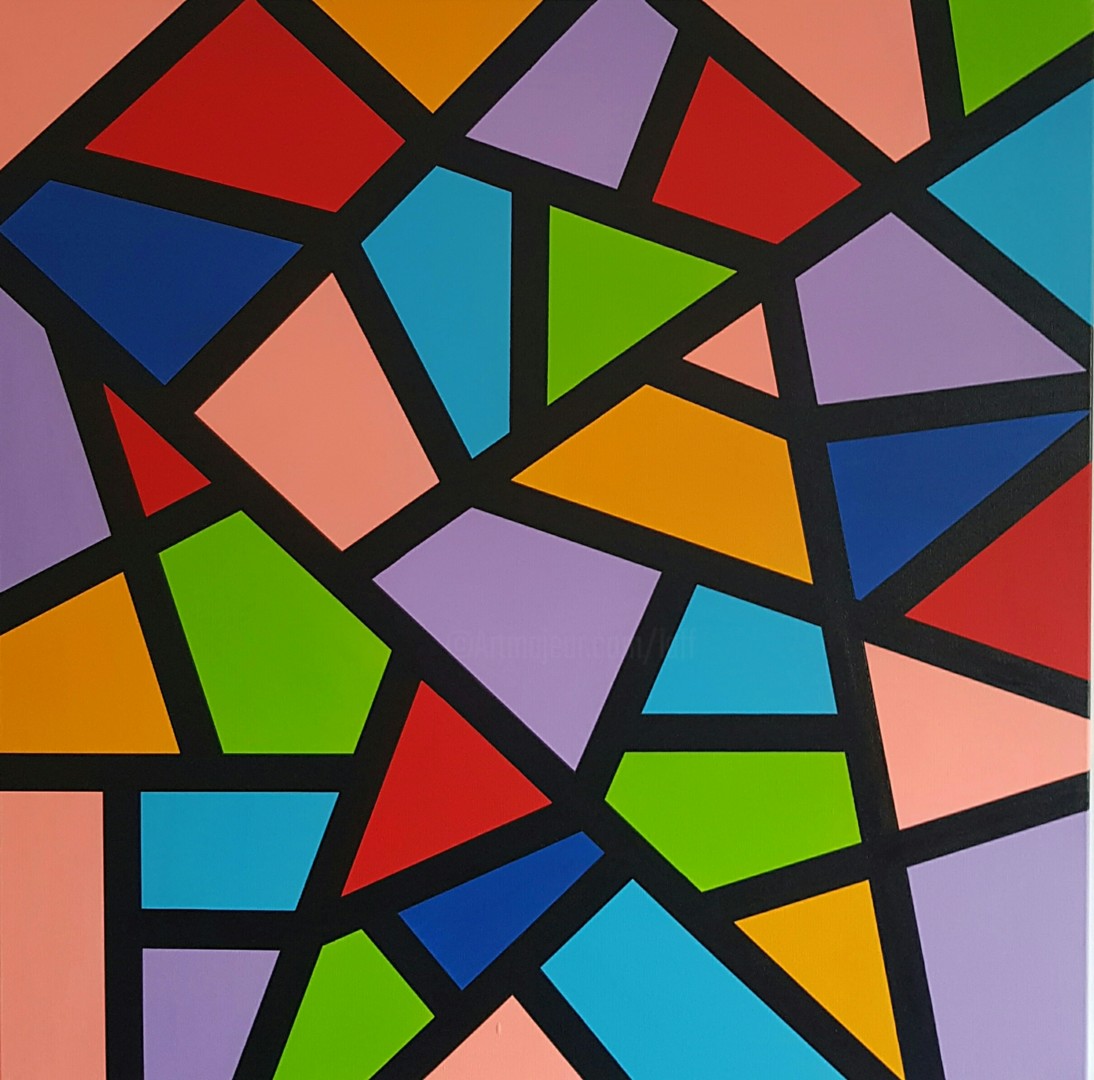
Table of Content
Geometric abstraction, a captivating art movement characterized by simplified forms and bold compositions, offers a gateway to boundless creative expression. This guide delves into the intricacies of crafting stunning geometric abstract paintings on canvas, equipping you with the knowledge and techniques to transform your artistic vision into captivating masterpieces.
1. Embracing the Fundamentals: Understanding Geometric Abstraction
Geometric abstraction is a powerful artistic language that thrives on the interplay of lines, shapes, and colors, devoid of representational imagery. Its roots trace back to the early 20th century, with pioneers like Kazimir Malevich and Piet Mondrian laying the foundation for this minimalist aesthetic.
Key Characteristics:
- Simplicity: The use of basic geometric forms like squares, circles, triangles, and rectangles.
- Abstraction: The absence of recognizable objects or scenes.
- Harmony and Balance: The intentional arrangement of elements to create visual equilibrium.
- Color Theory: The strategic use of color to evoke emotions and create depth.
2. The Artist’s Toolkit: Essential Materials for Geometric Abstraction
Canvas: A versatile surface that serves as the foundation for your geometric masterpiece. Opt for stretched canvas for a professional finish or explore canvas boards for a more portable option.
Paints: Acrylics are a popular choice for their quick drying time and vibrant colors. Watercolors offer a softer, more ethereal aesthetic, while oils provide a rich, textured finish.
Brushes: A diverse array of brush sizes and shapes is essential for creating varying lines, shapes, and textures.
Other Materials:

- Masking Tape: For precise lines and geometric shapes.
- Rulers and Protractors: To ensure accurate measurements and angles.
- Stencils: For creating repetitive patterns and intricate designs.
- Palette Knives: For applying thick paint and creating textured effects.
- Drawing Tools: Pencils, charcoal, or pastels for preliminary sketches.
3. Setting the Stage: Conceptualizing Your Geometric Abstract Painting
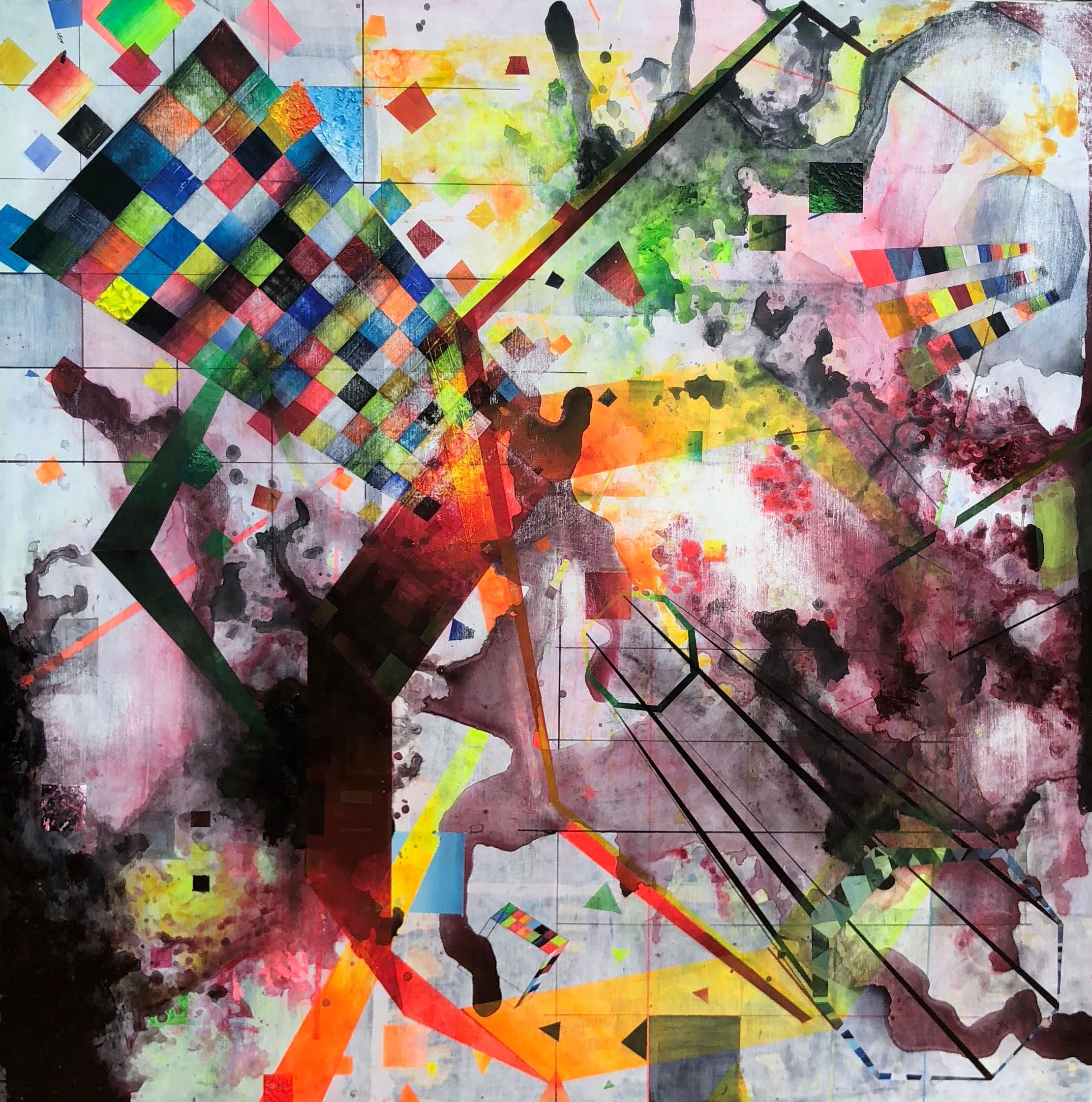
Inspiration: Seek inspiration from architecture, nature, or even everyday objects. Observe the interplay of lines, shapes, and colors in your surroundings.
Color Palette: Choose a color scheme that aligns with your desired mood and aesthetic. Consider complementary colors for vibrant contrast or analogous colors for a harmonious feel.
Composition: Experiment with different arrangements of geometric forms. Explore symmetry, asymmetry, and dynamic compositions to create visual interest.
4. Translating Vision to Canvas: Techniques for Geometric Abstraction
1. Grid System: A structured approach that divides the canvas into equal sections, providing a framework for precise placement of shapes and colors.
2. Geometric Shapes: Utilize basic geometric forms as building blocks. Explore variations in size, orientation, and overlapping to create visual complexity.
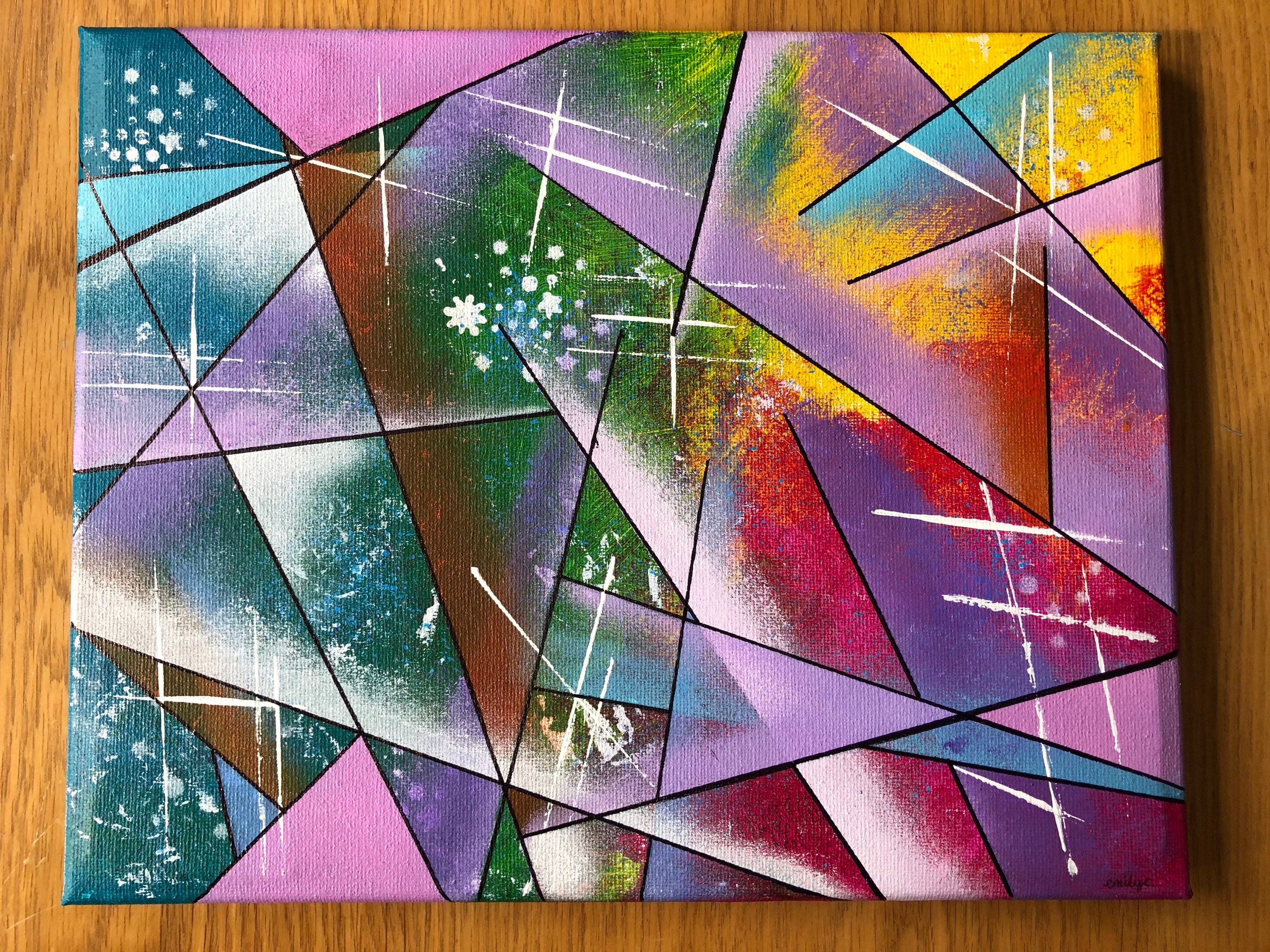
3. Lines and Angles: Create a dynamic interplay of lines and angles to define shapes, create depth, and guide the viewer’s eye.
4. Color Blocking: Boldly fill sections of the canvas with distinct colors, creating a visually striking composition.
5. Textures and Layers: Experiment with different paint application techniques to create texture and depth. Blend colors, create impasto effects, or layer paint for a multidimensional feel.
5. Elevating Your Artwork: Mastering Advanced Techniques
1. Negative Space: The areas surrounding the geometric forms play a crucial role in the overall composition. Utilize negative space to enhance the impact of your shapes and colors.
2. Optical Illusions: Experiment with perspective and color gradients to create optical illusions that draw the viewer into the artwork.
3. Collage: Incorporate textures and materials like fabric, paper, or found objects to create a layered and tactile experience.
4. Digital Techniques: Explore digital tools for creating geometric patterns and manipulating images. Combine traditional and digital techniques for a unique artistic approach.
6. Beyond the Canvas: Displaying and Preserving Your Geometric Masterpiece
Framing: Choose a frame that complements the style and colors of your painting. A simple frame allows the artwork to take center stage, while a more elaborate frame adds a touch of sophistication.
Lighting: Proper lighting is crucial for showcasing your artwork. Natural light is ideal, but artificial lighting can also be effective.
Preservation: Protect your painting from dust, moisture, and UV rays to ensure its longevity.
7. Inspiration from the Masters: Exploring Geometric Abstraction in Art History
1. Kazimir Malevich: Known for his "Black Square" and his Suprematist movement, Malevich explored the fundamental principles of geometric abstraction.
2. Piet Mondrian: His iconic "Composition with Red, Yellow, and Blue" exemplifies his focus on primary colors and simple geometric forms.
3. Wassily Kandinsky: A pioneer of abstract art, Kandinsky’s paintings often incorporate geometric shapes and vibrant colors to evoke emotions and spiritual experiences.
4. Exploring Geometric Abstraction in Contemporary Art:
1. Bridget Riley: Known for her Op Art, Riley’s paintings utilize geometric patterns and color to create optical illusions.
2. Sol LeWitt: A minimalist artist, LeWitt’s work often features simple geometric forms and conceptual approaches to artmaking.
3. The Future of Geometric Abstraction:
Geometric abstraction continues to evolve, with contemporary artists pushing the boundaries of this genre. From digital art to installations, the possibilities for geometric expression are endless.
8. Conclusion: Embark on Your Journey of Geometric Abstraction
Geometric abstraction offers a powerful and versatile language for artistic expression. By mastering the fundamentals, exploring various techniques, and drawing inspiration from the masters, you can create stunning geometric abstract paintings that capture your unique vision and resonate with viewers. Embrace the journey, experiment with different approaches, and let your creativity flourish in the world of geometric abstraction.

Unleashing Geometric Abstraction: A Comprehensive Guide to Creating Stunning Canvas Art
Post a Comment for "Creating Stunning Geometric Abstract Paintings On Canvas"