Best Paint for Boat Interior: Durability and Style
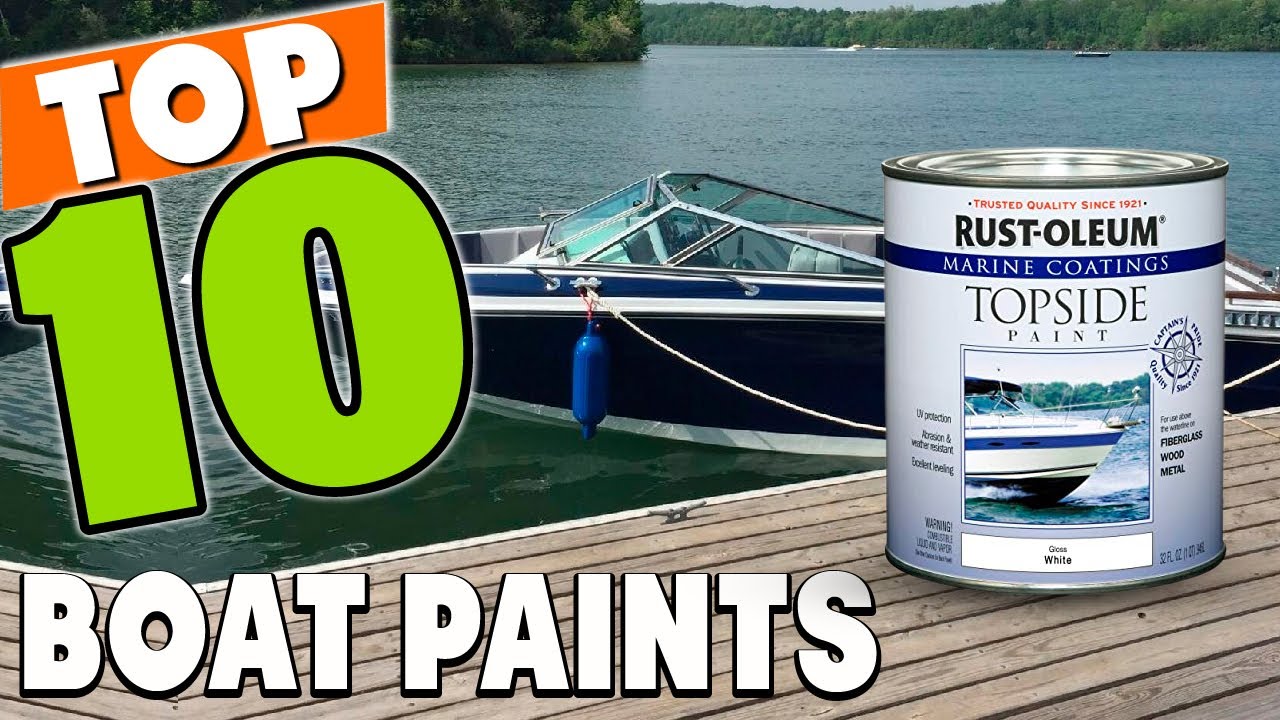
Table of Content
Choosing the right paint for your boat’s interior is a crucial decision. It’s not just about aesthetics; durability, ease of maintenance, and safety are paramount. This comprehensive guide explores the best paint options for your boat’s interior, considering both style and performance.
Understanding Boat Interior Paint Needs
Unlike traditional home painting, boat interiors face unique challenges:
- Moisture: Humidity and condensation are constant threats, requiring paints that resist moisture and mildew growth.
- Saltwater Exposure: Saltwater can corrode metal components and damage paint, demanding paints with excellent salt resistance.
- UV Degradation: Sunlight can fade and crack paint, necessitating UV-resistant formulas.
- Abrasion: Constant movement and use can lead to scratches and wear, requiring durable paints with high abrasion resistance.
- Safety: Interior paints should be non-toxic and low-VOC, ensuring a safe environment for occupants.

Types of Paint for Boat Interiors
1. Enamel Paints:
- Pros: Enamel paints offer excellent durability, moisture resistance, and UV protection. They are available in a wide range of colors and finishes, including gloss, semi-gloss, and satin.
- Cons: Enamels can be difficult to apply, requiring proper preparation and multiple coats. They can also be more expensive than other options.
- Best for: High-traffic areas, cabins, and areas exposed to direct sunlight.

2. Acrylic Paints:
- Pros: Acrylic paints are water-based, making them easy to apply and clean up. They offer good durability, moisture resistance, and UV protection. They also have lower VOC emissions than enamel paints.
- Cons: Acrylic paints may not be as durable as enamels, especially in high-traffic areas.
- Best for: Walls, ceilings, and areas with moderate traffic.
3. Polyurethane Paints:
- Pros: Polyurethane paints offer exceptional durability, moisture resistance, and UV protection. They are also very resistant to abrasion and chemicals.
- Cons: Polyurethane paints can be expensive and require proper preparation. They can also be more difficult to apply than other options.
- Best for: Floors, countertops, and areas subject to heavy wear and tear.
4. Epoxy Paints:
- Pros: Epoxy paints are known for their exceptional adhesion, durability, and resistance to moisture, chemicals, and abrasion. They are often used for floors and other high-wear areas.
- Cons: Epoxy paints can be difficult to apply and require proper preparation. They can also be more expensive than other options.
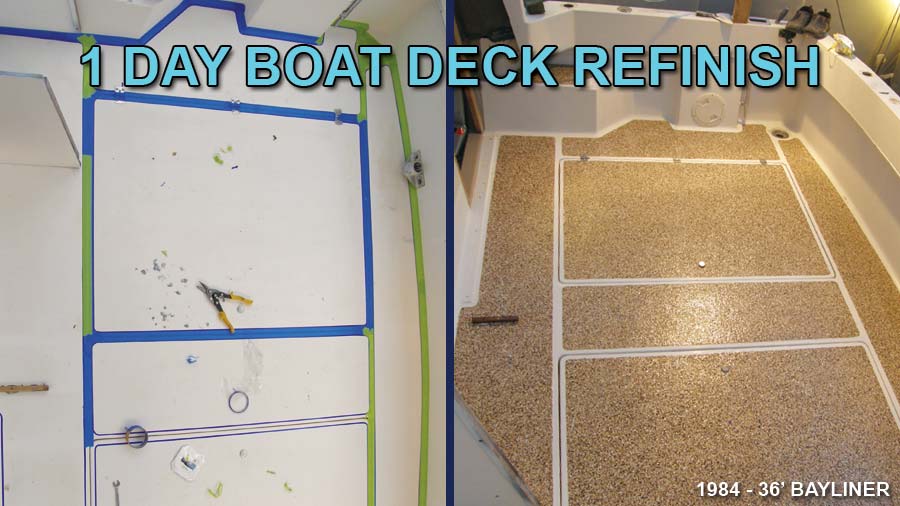
- Best for: Floors, decks, and areas subject to extreme conditions.
5. Two-Part Paints:
- Pros: Two-part paints offer superior durability, adhesion, and resistance to moisture and chemicals. They are often used for marine applications due to their exceptional performance.
- Cons: Two-part paints require precise mixing and a limited working time. They can also be more expensive than other options.
- Best for: Areas subject to extreme conditions, such as bilges, engine rooms, and decks.
Factors to Consider When Choosing Boat Interior Paint
1. Location:
- High-traffic areas: Choose durable paints like enamels, polyurethanes, or epoxies for areas like cabins, galley, and bathrooms.
- Low-traffic areas: Acrylic or latex paints can be suitable for walls, ceilings, and storage areas.
- Exposed areas: Opt for paints with excellent UV protection and moisture resistance for areas like decks, cabins, and windows.
2. Finish:
- Gloss: Provides a high-shine finish and is easy to clean, but can highlight imperfections.
- Semi-gloss: Offers a moderate shine and good durability, suitable for most interior applications.
- Satin: Provides a soft sheen and hides imperfections well, ideal for walls and ceilings.
- Matte: Offers a flat finish and excellent hiding power, but may be more difficult to clean.
3. Color:
- Light colors: Reflect light and create a sense of spaciousness, but can show dirt more easily.
- Dark colors: Absorb light and create a cozy atmosphere, but can make a space feel smaller.
- Neutral colors: Versatile and timeless, suitable for most boat interiors.
4. Budget:
- Enamels and polyurethanes: More expensive but offer superior durability and performance.
- Acrylics and latex paints: More affordable options, suitable for less demanding areas.
5. Safety:
- Low-VOC paints: Reduce harmful emissions and are safer for occupants.
- Non-toxic paints: Ensure a healthy environment for passengers and crew.
Top Boat Interior Paint Brands
1. Interlux: Known for their high-quality marine paints, Interlux offers a wide range of products for boat interiors, including enamels, acrylics, and two-part paints.
2. Awlgrip: A premium marine paint brand, Awlgrip offers exceptional durability, UV protection, and resistance to moisture and chemicals.
3. Pettit: A well-respected marine paint manufacturer, Pettit offers a range of products for boat interiors, including enamels, acrylics, and epoxies.
4. Rust-Oleum: A popular brand for home and marine applications, Rust-Oleum offers a variety of paints for boat interiors, including enamels, acrylics, and specialty coatings.
5. Sherwin-Williams: A leading paint manufacturer, Sherwin-Williams offers a selection of marine-grade paints for boat interiors, including enamels, acrylics, and two-part paints.
Tips for Painting Your Boat Interior
1. Preparation is Key:
- Thoroughly clean and prepare the surface by removing dirt, grease, and loose paint.
- Sand the surface smooth and apply a primer to ensure proper adhesion.
2. Apply Multiple Thin Coats:
- Apply multiple thin coats of paint rather than one thick coat. This allows the paint to dry evenly and prevents runs and sags.
3. Use a Quality Brush or Roller:
- A good quality brush or roller will help you achieve a smooth and even finish.
4. Allow Adequate Drying Time:
- Allow each coat of paint to dry completely before applying the next. This ensures proper adhesion and prevents problems like peeling and cracking.
5. Protect the Paint:
- Use a sealant or varnish to protect the paint from UV damage, moisture, and wear and tear.
Conclusion
Choosing the right paint for your boat’s interior is essential for both aesthetics and functionality. By considering the specific needs of your boat, the location, desired finish, and budget, you can select the best paint for your project. Remember to prioritize durability, moisture resistance, UV protection, and safety to ensure a long-lasting and beautiful interior.
Diagram:
| Paint Type | Pros | Cons | Best For ||----------------|-------------------------------------------------|----------------------------------------------------------|-----------------------------------------------------------|| Enamel | Excellent durability, moisture & UV resistance | Difficult to apply, expensive | High-traffic areas, cabins, exposed to direct sunlight || Acrylic | Easy to apply, good durability & UV resistance | May not be as durable as enamels | Walls, ceilings, moderate traffic areas || Polyurethane | Exceptional durability, moisture & UV resistance | Expensive, difficult to apply | Floors, countertops, heavy wear & tear areas || Epoxy | Exceptional adhesion, durability, moisture & chemical resistance | Difficult to apply, expensive | Floors, decks, extreme conditions || Two-Part | Superior durability, adhesion, moisture & chemical resistance | Requires precise mixing, limited working time, expensive | Extreme conditions: bilges, engine rooms, decks |Keywords: boat interior paint, best paint for boat interior, boat interior paint types, boat interior paint brands, boat interior paint tips, boat interior paint guide, boat interior painting, boat interior paint durability, boat interior paint style, marine paint, boat interior paint advice, boat interior paint recommendations, boat interior paint selection, boat interior paint comparison, boat interior paint review, boat interior paint guide, boat interior paint buying guide, boat interior paint project, boat interior paint DIY, boat interior paint professional, boat interior paint cost, boat interior paint budget, boat interior paint safety, boat interior paint VOCs, boat interior paint non-toxic.

Best Paint for Boat Interior: Durability and Style
Post a Comment for "Best Paint For Boat Interior: Durability And Style"