Yellow Reflective Paint for Metal: Safety and Visibility Enhancement
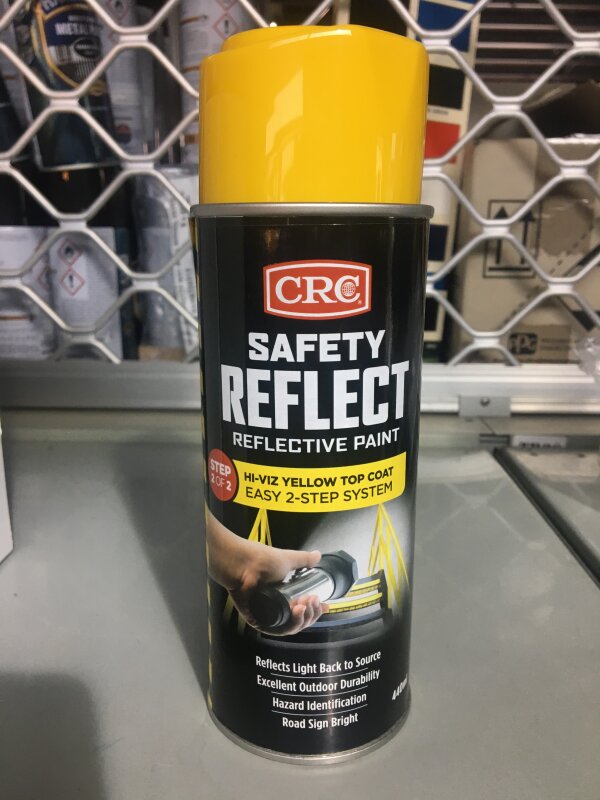
Table of Content
- 1 Yellow Reflective Paint for Metal: Safety and Visibility Enhancement
- 1.1 Understanding Reflective Paint Technology
- 1.2 Why Yellow?
- 1.3 Applications of Yellow Reflective Paint on Metal
- 1.4 Advantages of Yellow Reflective Paint for Metal
- 1.5 Types of Yellow Reflective Paint for Metal
- 1.6 Selecting the Right Yellow Reflective Paint for Metal
- 1.7 Applying Yellow Reflective Paint for Metal
- 1.8 Maintenance and Durability
- 1.9 Conclusion
Yellow reflective paint is a crucial element in enhancing safety and visibility, especially in industrial and transportation settings. Its unique properties, including high reflectivity and vibrant color, contribute significantly to accident prevention and improved communication. This article delves into the specifics of yellow reflective paint for metal, exploring its applications, advantages, and considerations for optimal performance.
Understanding Reflective Paint Technology
Reflective paint harnesses the power of tiny glass beads embedded within the paint matrix. These microspheres, typically made of borosilicate glass, are designed to reflect light back to its source, creating a highly visible, almost luminous effect. When light strikes the glass beads, it enters the sphere, reflects off the internal surface, and exits back in the direction of the incoming light. This principle allows reflective paint to be seen from a distance, even in low-light conditions.
Why Yellow?
The choice of yellow as the primary color for reflective paint is rooted in scientific and practical considerations. Yellow, with its high visibility and contrast against most backgrounds, stands out prominently in various lighting conditions. It is readily perceived by the human eye, even in the presence of fog, rain, or darkness.
Furthermore, yellow resonates with a specific wavelength of light that is easily detected by the human eye. This wavelength, known as the "peak sensitivity" of the human eye, lies within the yellow-green spectrum. This inherent sensitivity to yellow light contributes to its effectiveness in enhancing visibility.
Applications of Yellow Reflective Paint on Metal
Yellow reflective paint finds widespread applications across numerous industries, including:
- Transportation: Reflective paint is essential for road safety, adorning vehicles, road signs, and lane markings. Its presence on trucks, buses, and other large vehicles helps prevent accidents by making them easily visible to other drivers, especially at night or in adverse weather conditions.
- Construction and Industrial Settings: In industrial settings, yellow reflective paint is used to mark hazardous areas, equipment, and walkways. It serves as a visual warning system, reducing the risk of accidents and ensuring worker safety.
- Emergency Services: Emergency vehicles, fire trucks, and ambulances rely heavily on reflective paint for their high visibility. The bright yellow color and reflective properties enable these vehicles to be seen from a distance, allowing for swift and safe responses to emergencies.
- Marine Applications: Reflective paint plays a crucial role in maritime safety, marking buoys, navigational aids, and vessels. Its reflective properties enhance visibility in low-light conditions, preventing collisions and ensuring safe navigation.
- Aviation: Reflective paint is used on aircraft markings and runway lights to guide pilots during takeoffs and landings. Its visibility in varying weather conditions ensures safe and efficient air traffic operations.
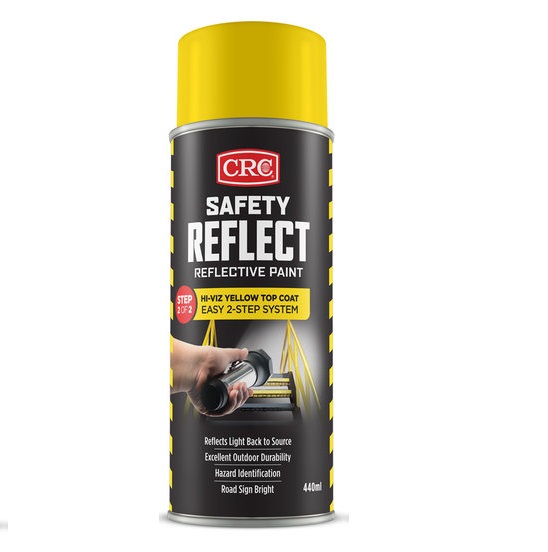

Advantages of Yellow Reflective Paint for Metal
- Enhanced Visibility: The primary advantage of yellow reflective paint lies in its ability to enhance visibility, making objects and surfaces easily discernible, even in low-light conditions.
- Improved Safety: The increased visibility provided by reflective paint significantly contributes to accident prevention in various settings, including roadways, construction sites, and industrial areas.
- Durability: Reflective paint is formulated to withstand harsh weather conditions, ensuring long-lasting performance and maintaining its reflective properties over time.
- Versatility: It can be applied to various surfaces, including metal, plastic, and concrete, making it adaptable to diverse applications.
- Cost-Effectiveness: Reflective paint offers a cost-effective solution for enhancing safety and visibility, contributing to accident prevention and reducing potential financial losses.

Types of Yellow Reflective Paint for Metal
There are different types of yellow reflective paint available, each designed for specific applications and performance requirements:
- Solvent-Based Reflective Paint: This type of paint uses solvents to achieve the desired viscosity and drying time. It is typically known for its durability and resistance to weathering.
- Water-Based Reflective Paint: This environmentally friendly option uses water as the primary solvent. It offers lower VOC emissions and is suitable for indoor applications or areas where VOC regulations are stringent.
- Powder Coating: Powder coating involves applying a dry powder to the metal surface, which is then cured under heat. This process results in a durable, long-lasting, and highly reflective finish.
- Epoxy-Based Reflective Paint: Epoxy-based paints offer excellent adhesion, durability, and chemical resistance, making them suitable for demanding industrial applications.
- Acrylic-Based Reflective Paint: Acrylic-based paints are known for their ease of application, quick drying time, and good weather resistance.
Selecting the Right Yellow Reflective Paint for Metal
Choosing the appropriate yellow reflective paint for your specific needs involves considering several factors:
- Application: Determine the intended use of the paint, whether for road markings, industrial safety, or other applications.
- Surface: The type of metal surface to be painted, such as steel, aluminum, or galvanized metal, will influence the choice of paint.
- Environmental Conditions: Consider the environmental conditions where the paint will be applied, including temperature, humidity, and exposure to UV rays.
- Performance Requirements: The desired level of reflectivity, durability, and resistance to weathering will dictate the type of paint needed.
- Cost: Budget constraints will play a role in selecting the most suitable paint option.
Applying Yellow Reflective Paint for Metal
Proper application of yellow reflective paint is crucial for achieving optimal performance. Here are key steps to ensure effective application:
- Surface Preparation: Thoroughly clean and prepare the metal surface by removing dirt, grease, rust, and any existing coatings.
- Primer Application: Apply a suitable primer to the prepared surface, enhancing adhesion and ensuring a smooth finish.
- Paint Application: Apply the yellow reflective paint in thin, even coats, allowing each coat to dry thoroughly before applying the next.
- Drying Time: Follow the manufacturer’s instructions regarding drying time, ensuring adequate curing before subjecting the painted surface to traffic or use.
Maintenance and Durability
Yellow reflective paint, despite its durability, requires proper maintenance to retain its reflectivity and effectiveness over time. Regularly inspect painted surfaces for signs of wear, damage, or fading. Repaint areas as needed to maintain optimal visibility and safety.
Conclusion
Yellow reflective paint plays a vital role in enhancing safety and visibility across various industries. Its unique properties, including high reflectivity and vibrant color, contribute significantly to accident prevention and improved communication. By understanding the technology, applications, and considerations involved in using yellow reflective paint, you can effectively leverage its benefits and create safer, more visible environments.

Yellow Reflective Paint for Metal: Safety and Visibility Enhancement
Post a Comment for "Yellow Reflective Paint For Metal: Safety And Visibility Enhancement"