Setting Up a Professional Motorcycle Paint Booth: The Ultimate Guide
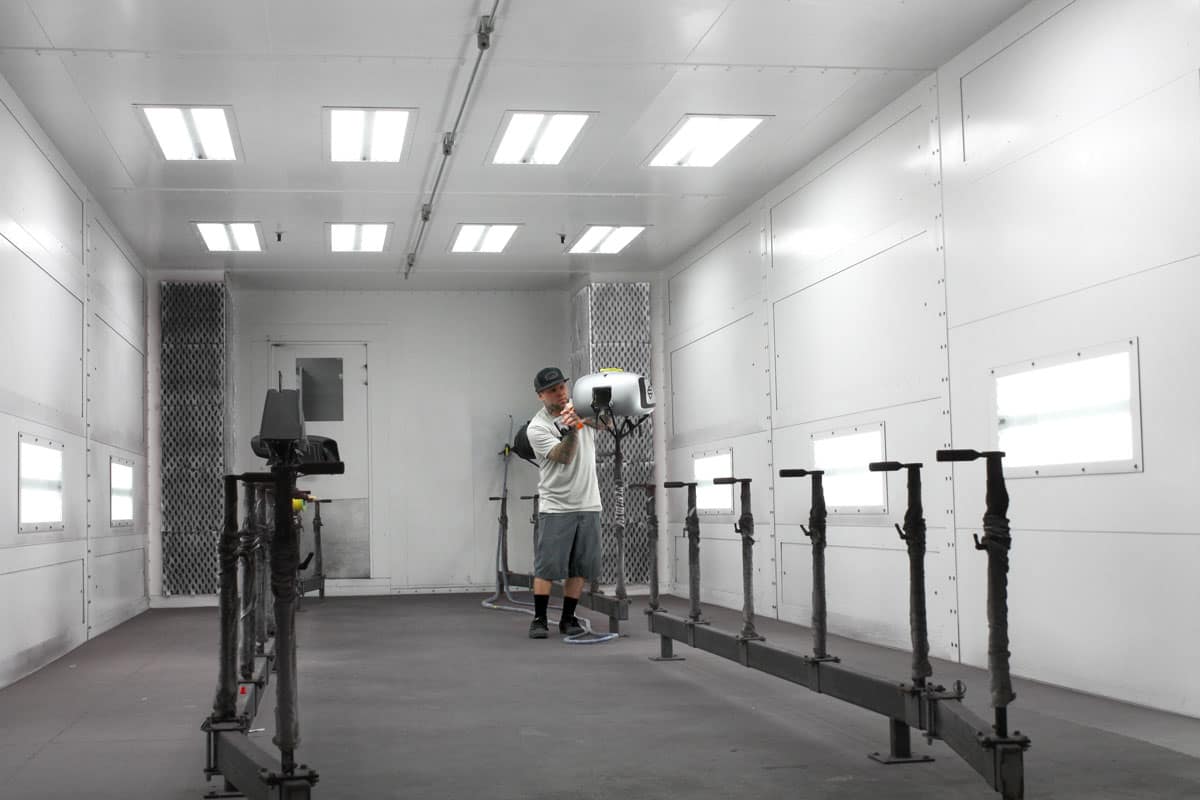
Building a professional motorcycle paint booth is a significant investment, but one that can yield substantial returns for your business. This guide provides a comprehensive overview of the process, covering everything from planning and design to equipment selection and safety considerations.
1. Planning and Design
A. Determine Your Needs
- Motorcycle Size: Consider the dimensions of the largest motorcycle you’ll be painting to determine the booth’s size. Allow for ample space for movement and maneuverability.
- Paint Types: The type of paint you’ll use (e.g., solvent-based, water-based) will influence ventilation and filtration requirements.
- Frequency of Use: A high-volume shop requires a larger, more robust booth than a part-time operation.
- Budget: Set a realistic budget and prioritize key features that align with your needs.
B. Choose a Location
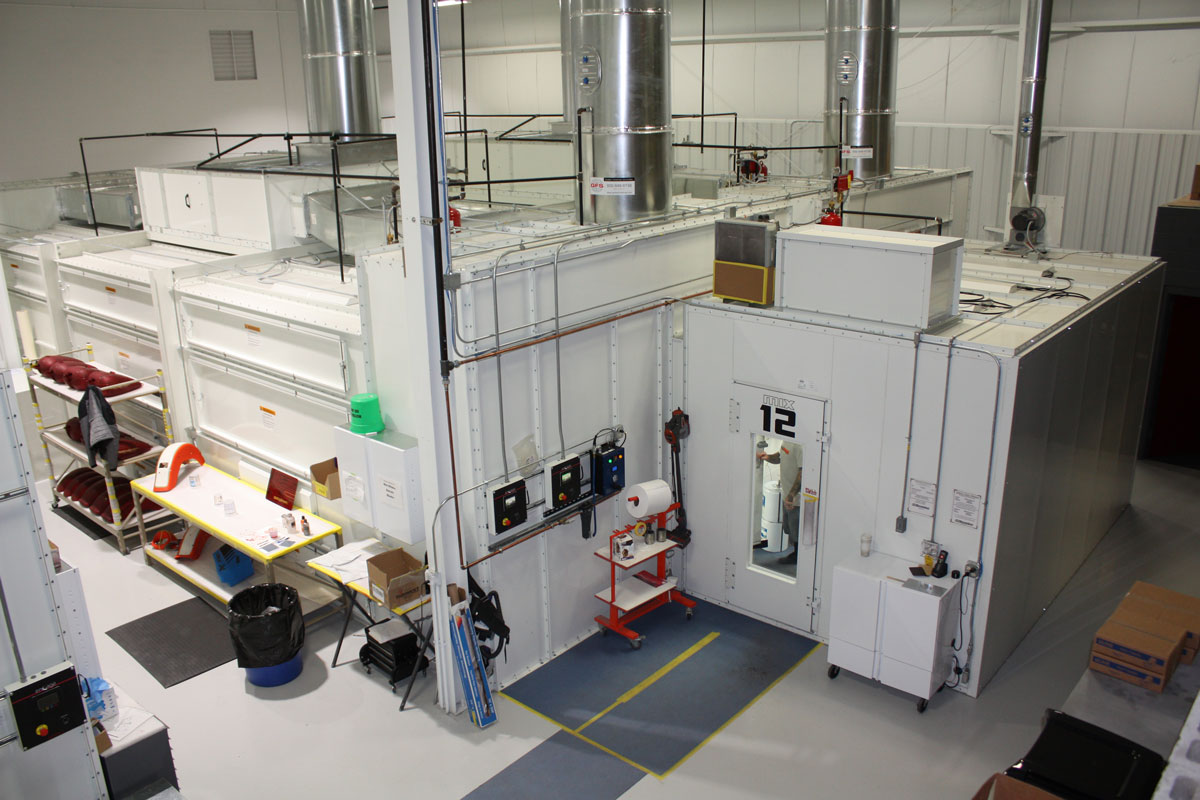
- Space: Ensure ample space for the booth, preparation area, storage, and airflow.
- Utilities: Access to electricity, water, and natural gas (if required) is crucial.
- Environmental Considerations: Consider local regulations and potential environmental impact.
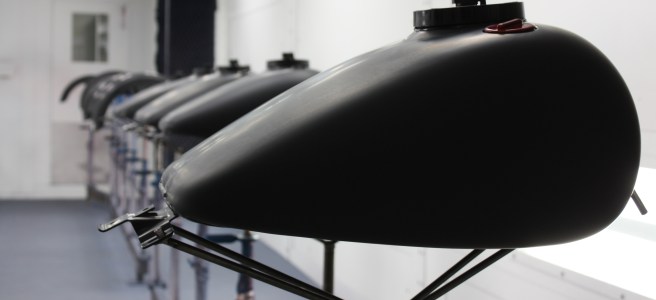
C. Design Considerations
- Booth Size: A minimum of 10′ x 10′ is recommended for most motorcycles.
- Booth Type: Choose between a downdraft or crossdraft booth, considering airflow patterns and paint overspray control.
- Material: Steel, aluminum, or fiberglass are common materials for booth construction.
- Lighting: Adequate lighting is essential for accurate color matching and paint application.
- Ventilation: A powerful ventilation system is crucial to remove overspray and fumes.
- Filtration: Invest in high-quality filters to capture paint particles and prevent environmental contamination.
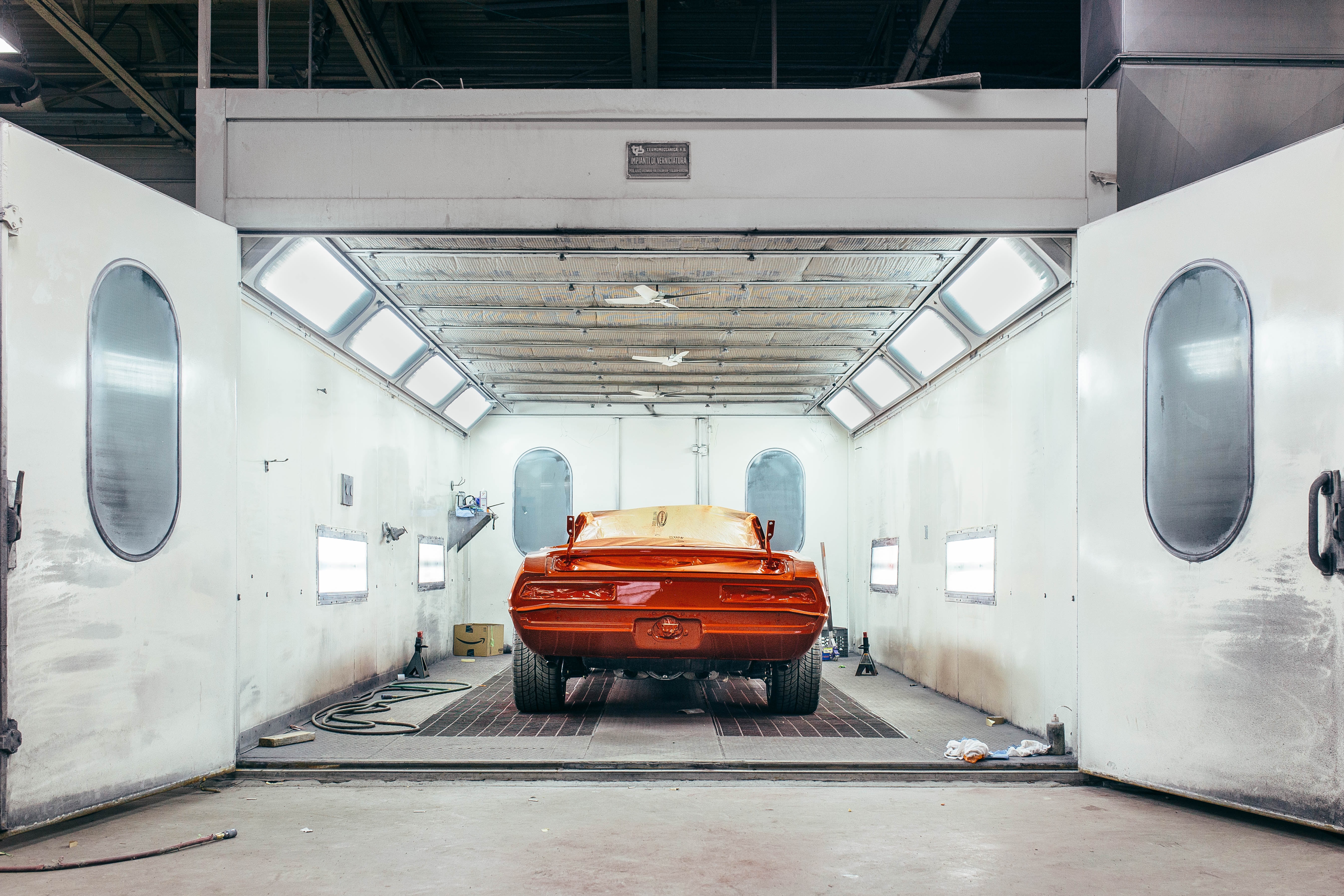
2. Equipment Selection
A. Ventilation System
- Type: Downdraft or crossdraft systems, each with pros and cons.
- Capacity: Ensure sufficient air exchange rate to maintain a clean environment.
- Noise Level: Consider the noise level and its impact on the work environment.
- Maintenance: Regular filter cleaning and system maintenance are essential.
B. Lighting System
- Type: LED or fluorescent lights offer excellent color rendering and energy efficiency.
- Placement: Ensure even illumination throughout the booth.
- Intensity: Adjust the intensity based on your needs and preferences.
C. Paint Spray Booth
- Type: Choose a booth designed for motorcycle painting, with appropriate size and airflow.
- Material: Steel or aluminum construction offers durability and corrosion resistance.
- Accessories: Consider optional accessories like air filters, paint mixing stations, and storage cabinets.
D. Air Compressor
- Capacity: Select a compressor with sufficient CFM (Cubic Feet per Minute) to power your spray guns.
- Pressure: Adjust the pressure based on the type of paint and spray gun used.
- Noise Level: Consider the noise level and its impact on the work environment.
E. Spray Guns
- Type: Choose spray guns designed for motorcycle painting, with different nozzle sizes for various paint applications.
- Pressure: Ensure the spray gun is compatible with your air compressor’s pressure output.
- Maintenance: Regular cleaning and maintenance are essential for optimal performance.
F. Other Equipment
- Paint Mixing Station: A dedicated space for mixing and storing paint.
- Sanding Station: A designated area for sanding and preparing motorcycle surfaces.
- Safety Equipment: Invest in personal protective equipment (PPE) like respirators, gloves, and eye protection.
3. Installation and Setup
A. Foundation Preparation
- Level Ground: Ensure a level and solid foundation for the booth.
- Drainage: Provide adequate drainage for any spills or leaks.
- Electrical Connections: Install appropriate electrical outlets and wiring for the booth’s equipment.
B. Booth Assembly
- Manufacturer Instructions: Follow the manufacturer’s instructions carefully.
- Professional Installation: Consider hiring professionals for complex installations.
- Safety Precautions: Follow all safety guidelines during installation.
C. Equipment Installation
- Ventilation System: Connect the ventilation system to the booth and ensure proper airflow.
- Lighting System: Install the lighting system and ensure adequate illumination.
- Air Compressor: Connect the air compressor to the spray guns and other equipment.
- Paint Mixing Station: Set up the paint mixing station and organize materials.
4. Operation and Maintenance
A. Pre-Painting Preparation
- Surface Cleaning: Thoroughly clean the motorcycle surface to remove dirt, grease, and debris.
- Sanding and Priming: Sand the surface smooth and apply a primer to ensure proper paint adhesion.
- Masking: Mask off areas that you don’t want to paint.
B. Painting Process
- Ventilation: Ensure proper ventilation throughout the painting process.
- Spray Gun Technique: Use proper spray gun technique to achieve a smooth and even finish.
- Drying Time: Allow sufficient drying time between coats of paint.
C. Post-Painting Clean-Up
- Clean Up: Thoroughly clean the booth and equipment after each use.
- Filter Maintenance: Regularly clean or replace filters in the ventilation system.
- Equipment Maintenance: Perform routine maintenance on all equipment to ensure optimal performance.
5. Safety Considerations
A. Personal Protective Equipment (PPE)
- Respirator: Wear a respirator to protect against paint fumes and overspray.
- Gloves: Wear gloves to protect your hands from paint and chemicals.
- Eye Protection: Wear safety glasses or goggles to protect your eyes from paint and debris.
B. Fire Safety
- Fire Extinguishers: Keep fire extinguishers readily available.
- Fire Suppression System: Consider installing a fire suppression system in the booth.
- Flammable Materials: Store flammable materials in a safe and secure location.
C. Electrical Safety
- Ground Fault Circuit Interrupters (GFCIs): Use GFCIs on all electrical outlets.
- Wiring: Ensure all wiring is properly installed and maintained.
- Electrical Equipment: Inspect electrical equipment regularly for damage or defects.
D. Ventilation
- Proper Airflow: Maintain proper airflow throughout the booth to remove paint fumes and overspray.
- Filter Maintenance: Regularly clean or replace filters to prevent contamination.
- Ventilation System Check: Inspect the ventilation system regularly for proper operation.
6. Costs and ROI
A. Initial Investment
- Booth Construction: The cost of building a professional paint booth can vary significantly based on size, materials, and features.
- Equipment: Ventilation systems, lighting, air compressors, spray guns, and other equipment can add substantial costs.
- Installation: Professional installation can add to the overall cost.
B. Ongoing Costs
- Maintenance: Regular maintenance and filter replacement are ongoing expenses.
- Utilities: Electricity, water, and gas consumption contribute to operational costs.
- Consumables: Paint, primers, thinners, and other consumables add to the overall cost.
C. Return on Investment (ROI)
- Increased Revenue: A professional paint booth can attract more customers and increase revenue.
- Improved Quality: A controlled environment enhances paint quality and reduces defects.
- Reduced Costs: Proper ventilation and filtration minimize paint waste and reduce rework.
7. Best Practices for Motorcycle Paint Booths
- Proper Ventilation: Ensure adequate airflow to remove paint fumes and overspray.
- Cleanliness: Maintain a clean and organized work environment.
- Safety First: Prioritize safety and follow all safety guidelines.
- Professional Equipment: Invest in high-quality equipment for optimal performance.
- Regular Maintenance: Perform routine maintenance to ensure equipment longevity.
- Continuous Improvement: Seek ways to improve your process and efficiency.
Conclusion
Setting up a professional motorcycle paint booth requires careful planning, equipment selection, and safety considerations. By following this comprehensive guide, you can create a high-quality, efficient, and safe workspace that will enhance your business operations and deliver exceptional results. Remember to prioritize safety, invest in quality equipment, and continuously strive for improvement to maximize your return on investment.

Setting Up a Professional Motorcycle Paint Booth: The Ultimate Guide
Post a Comment for "Setting Up A Professional Motorcycle Paint Booth"