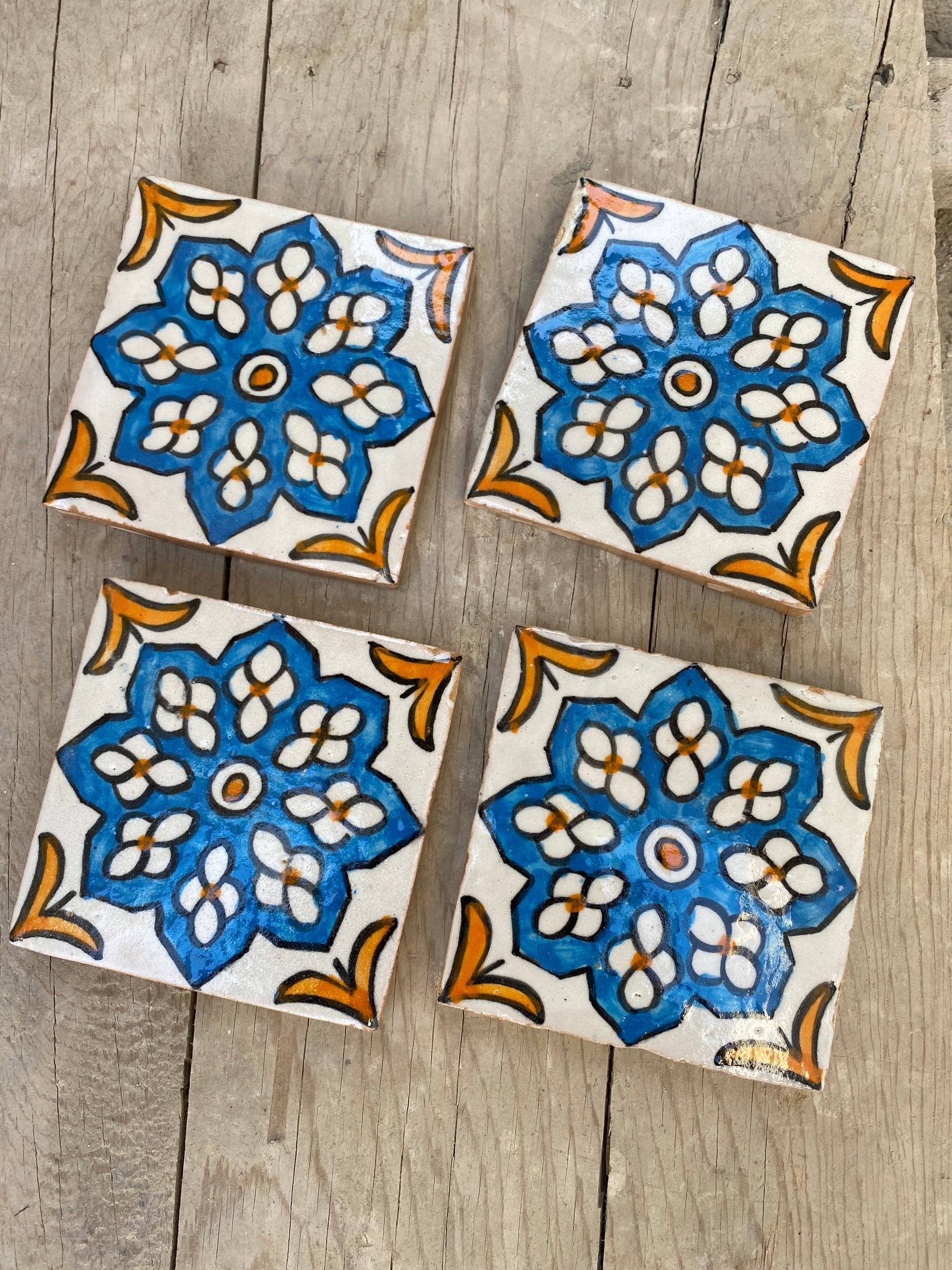
Moroccan Magic: Hand-Painted Moroccan Tiles
In the vibrant tapestry of architectural wonders, Moroccan tiles stand out as a testament to the country’s rich cultural heritage. These intricate and colorful ceramic creations, meticulously hand-painted by skilled artisans, have adorned the walls and floors of palaces, mosques, and homes for centuries.
A Legacy of Craftsmanship
The tradition of Moroccan tile-making dates back to the 10th century, when Moorish invaders brought their artistic prowess to the Iberian Peninsula. Over time, Moroccan tiles evolved into a distinct art form, influenced by Islamic, Berber, and Andalusian motifs.
Today, the craft of Moroccan tile-making is still alive and thriving in the bustling souks and workshops of Fez, Marrakech, and other cities. Artisans use traditional techniques passed down through generations to create these stunning works of art.
The Allure of Moroccan Tiles
Moroccan tiles are renowned for their vibrant colors, intricate patterns, and unique textures. Each tile is a masterpiece, hand-painted with a variety of motifs, including geometric designs, floral patterns, and calligraphic inscriptions.
The colors used in Moroccan tiles are equally captivating. Cobalt blue, emerald green, and golden yellow are common hues, often complemented by earthy tones such as terracotta and ochre. These vibrant colors create a sense of warmth and opulence, transforming any space into a magical realm.
Types of Moroccan Tiles
There are two main types of Moroccan tiles:
- Zellige: These small, square tiles are cut from clay and hand-painted before being fired in a kiln. Zellige tiles are often used to create intricate mosaics, forming geometric patterns or depicting scenes from everyday life.
- Bejmat: These larger, rectangular tiles are typically made from a mixture of clay and crushed marble. Bejmat tiles are often used for flooring and feature bold patterns and vibrant colors.
Applications of Moroccan Tiles
Moroccan tiles are incredibly versatile and can be used in a wide range of applications, both indoors and outdoors. They are perfect for:
- Wall coverings in bathrooms, kitchens, and living rooms
- Flooring in hallways, entryways, and patios
- Backsplashes and countertops
- Decorative accents in furniture, lamps, and other home accessories
Caring for Moroccan Tiles
Moroccan tiles are relatively easy to care for. To maintain their beauty and longevity, follow these simple tips:
- Clean regularly with a mild soap and water solution.
- Avoid using harsh chemicals or abrasive cleaners.
- Seal the tiles with a penetrating sealer to protect them from stains and moisture.
- If the tiles become damaged, they can be repaired or replaced by a skilled artisan.
Conclusion
Moroccan tiles are a true treasure, embodying the rich cultural heritage and artistic traditions of Morocco. Their vibrant colors, intricate patterns, and unique textures make them a captivating addition to any home or commercial space. Whether used as wall coverings, flooring, or decorative accents, Moroccan tiles will add a touch of magic and enchantment to your surroundings.
Pricing Guide
The cost of Moroccan tiles varies depending on the size, complexity, and quality of the tiles. Here is a general pricing guide:
| Tile Type | Size | Price per Square Foot |
|---|---|---|
| Zellige | 2" x 2" | $20-$50 |
| Zellige | 4" x 4" | $30-$70 |
| Bejmat | 6" x 12" | $40-$80 |
| Bejmat | 8" x 16" | $50-$100 |
Additional Resources
Post a Comment for "Moroccan Magic: Hand-Painted Moroccan Tiles"