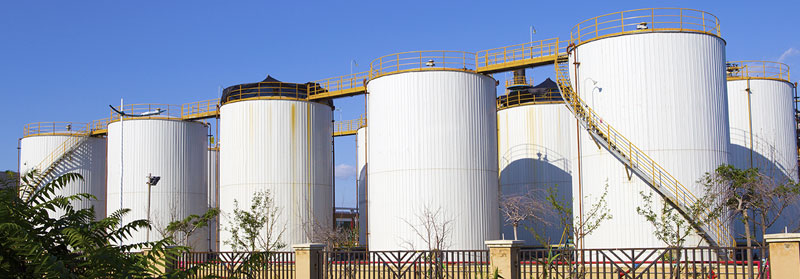
Industrial Strength: Painting Large Tanks
Introduction
Painting large tanks presents unique challenges that require specialized techniques and materials. Industrial-grade coatings are essential for ensuring durability, corrosion resistance, and longevity in these demanding environments. This comprehensive guide will provide a step-by-step approach to painting large tanks, covering surface preparation, coating selection, application methods, and quality control.
Surface Preparation
Thorough surface preparation is crucial for optimal coating adhesion and performance. Begin by removing any existing coatings, rust, or contaminants using abrasive blasting or chemical stripping. Ensure the surface is smooth, free of imperfections, and has an appropriate surface profile for the coating system.
Coating Selection
The choice of coating depends on the specific application and environmental conditions. Consider factors such as chemical resistance, temperature tolerance, abrasion resistance, and UV stability. Common industrial-grade coatings for large tanks include:
- Epoxy coatings: Excellent chemical and corrosion resistance
- Polyurethane coatings: High abrasion resistance and flexibility
- Acrylic coatings: UV resistance and low VOC emissions
Application Methods
Large tanks can be painted using various methods, including:
- Airless spray: High efficiency and coverage
- Conventional spray: Suitable for complex shapes and touch-ups
- Brush and roller: For small areas or detailed work
Application Process
- Prime the surface: Apply a primer to enhance adhesion and provide a uniform base for the topcoat.
- Apply the topcoat: Use multiple thin coats to achieve the desired thickness and coverage. Allow each coat to dry thoroughly before applying the next.
- Cure the coating: Follow the manufacturer’s instructions for curing time and temperature to ensure optimal performance.
Quality Control
Rigorous quality control is essential to ensure the integrity of the coating system. Inspect the surface for any defects, such as pinholes, blisters, or unevenness. Conduct adhesion tests to verify the coating’s bond to the substrate.
Additional Considerations
- Safety precautions: Wear appropriate protective gear and follow all safety protocols when working with industrial coatings.
- Environmental regulations: Comply with all applicable environmental regulations regarding coating disposal and emissions.
- Maintenance: Regularly inspect and touch up the coating system as needed to maintain its integrity and longevity.
Conclusion
Painting large tanks requires specialized knowledge, techniques, and materials. By following the steps outlined in this guide, you can achieve a durable, corrosion-resistant, and aesthetically pleasing finish that will protect your tanks for years to come. Remember to prioritize surface preparation, select the appropriate coating, apply it correctly, and conduct thorough quality control to ensure optimal results.
Pricing Table
| Service | Price |
|---|---|
| Surface preparation (blasting) | $5-$10 per square foot |
| Primer application | $2-$4 per square foot |
| Topcoat application | $3-$6 per square foot |
| Quality control | $1-$2 per square foot |
Post a Comment for "Industrial Strength: Painting Large Tanks"