Flex Additives for Paint: Unlocking Durability and Flexibility

Table of Content
- 1 Flex Additives for Paint: Unlocking Durability and Flexibility
- 1.1 Understanding the Science Behind Flex Additives
- 1.2 Types of Flex Additives: A Comprehensive Overview
- 1.3 Benefits of Using Flex Additives in Paint: A Performance Boost
- 1.4 Applications of Flex Additives: Where Flexibility Meets Performance
- 1.5 Selecting the Right Flex Additive: Factors to Consider
- 1.6 Conclusion: Embracing Flexibility for Enhanced Performance
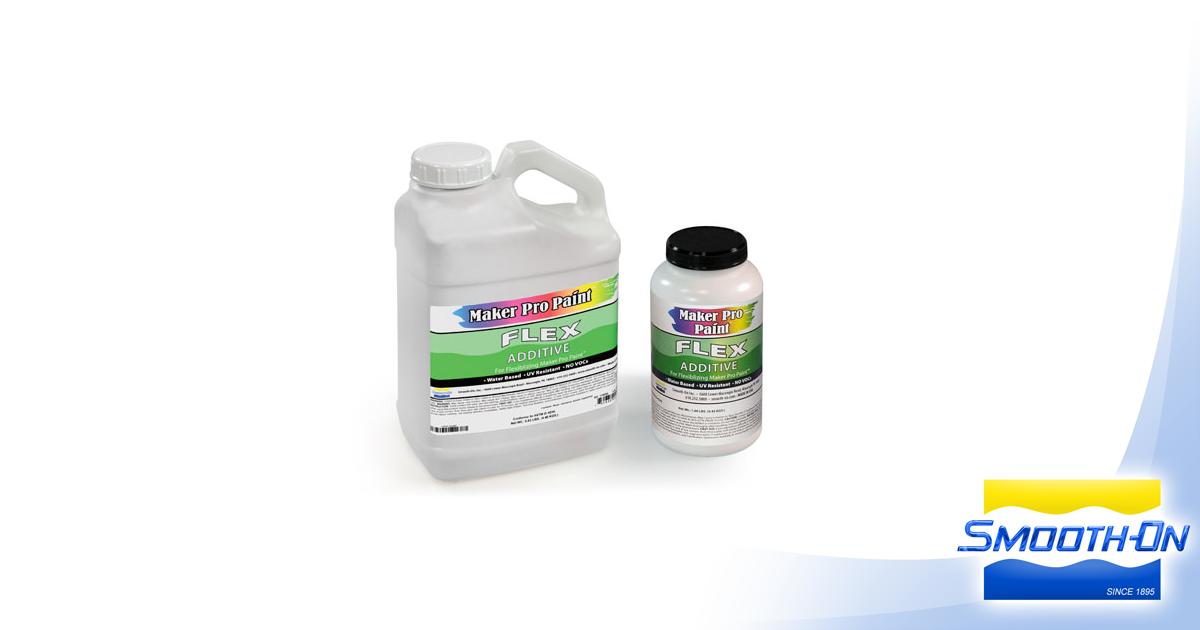
In the realm of paint technology, achieving a harmonious balance between durability and flexibility is a constant pursuit. Flex additives, also known as flex agents or flexibilizers, play a pivotal role in this pursuit, enabling paints to withstand the rigors of environmental stresses and maintain their integrity over time.
This comprehensive guide delves into the world of flex additives, exploring their mechanisms, applications, and the impact they have on paint performance. We will unravel the science behind their operation, highlighting the key benefits they bring to the table.
Understanding the Science Behind Flex Additives
Flex additives are a diverse group of chemical compounds that function by modifying the internal structure of paint films. They work by introducing flexibility and elasticity, enabling the paint to stretch and bend without cracking or flaking. This enhanced flexibility is crucial for applications where the paint is exposed to constant movement, vibration, or temperature fluctuations.
Key Mechanisms of Action:
- Chain Extension: Some flex additives act by extending the polymer chains in the paint binder, creating a more flexible and less brittle film.
- Plasticization: Others function as plasticizers, softening the paint film and increasing its ability to stretch and deform without breaking.
- Intermolecular Bonding: Certain flex additives enhance the intermolecular bonding within the paint film, creating a more cohesive and flexible structure.

Types of Flex Additives: A Comprehensive Overview
The world of flex additives encompasses a wide array of chemical compounds, each tailored to specific paint formulations and applications. Here’s a breakdown of common types:
1. Acrylic Polymers:
- Mechanism: Acrylic polymers, known for their versatility and excellent adhesion, are widely used as flex additives. They form long chains that extend and interlink within the paint film, enhancing flexibility and durability.
- Applications: Acrylic polymers are particularly suitable for exterior paints, where they help the paint withstand harsh weather conditions, UV radiation, and temperature fluctuations.

2. Polyvinyl Acetate (PVA):
- Mechanism: PVA is a water-soluble polymer that acts as a plasticizer, softening the paint film and increasing its flexibility.
- Applications: PVA is commonly used in interior paints, where its flexibility helps prevent cracking and peeling on interior walls.
3. Silicone Additives:
- Mechanism: Silicone additives are known for their excellent water repellency and flexibility. They form a protective barrier on the paint surface, preventing water penetration and enhancing durability.
- Applications: Silicone additives are frequently used in exterior paints, particularly in regions with high humidity or rainfall.
4. Epoxies:
- Mechanism: Epoxy resins, known for their exceptional strength and adhesion, are often incorporated as flex additives. They form a rigid network within the paint film, enhancing its resistance to impact and abrasion.
- Applications: Epoxies are particularly suitable for industrial coatings, where durability and impact resistance are paramount.
5. Polyurethanes:
- Mechanism: Polyurethanes are known for their exceptional flexibility and durability. They form a strong, elastic film that can withstand significant stress and strain.
- Applications: Polyurethanes are commonly used in automotive coatings, where they provide excellent scratch resistance and gloss retention.
Benefits of Using Flex Additives in Paint: A Performance Boost
Incorporating flex additives into paint formulations brings a plethora of benefits, significantly enhancing its performance and extending its lifespan:
1. Increased Durability:
- Flex additives create a more robust and resilient paint film, capable of withstanding the rigors of environmental stresses such as impact, abrasion, and temperature fluctuations.
- This enhanced durability translates into longer-lasting paint jobs, requiring fewer touch-ups and maintenance.
2. Improved Flexibility:
- The added flexibility allows the paint to stretch and bend without cracking or flaking, particularly important for surfaces that are subject to constant movement or vibration.
- This is crucial for applications like automotive coatings, where the paint must conform to the contours of the vehicle and withstand the stresses of road vibrations.
3. Enhanced Water Resistance:
- Some flex additives, like silicone additives, provide a protective barrier that repels water, preventing moisture from penetrating the paint film and causing damage.
- This is essential for exterior paints, where exposure to rain, snow, and humidity can lead to paint degradation.
4. Improved Adhesion:
- Flex additives can enhance the adhesion of the paint to the substrate, ensuring a strong bond that resists peeling and flaking.
- This is particularly important for surfaces with uneven textures or those prone to expansion and contraction, such as wood or concrete.
5. Reduced Cracking and Peeling:
- By increasing the flexibility of the paint film, flex additives minimize the likelihood of cracking and peeling, particularly in areas subject to temperature fluctuations or mechanical stress.
- This translates into a smoother, more aesthetically pleasing paint finish that lasts longer.
Applications of Flex Additives: Where Flexibility Meets Performance
Flex additives find their way into a wide range of paint applications, where their ability to enhance durability and flexibility is essential for optimal performance:
1. Exterior Paints:
- Flex additives are indispensable in exterior paints, where they help the paint withstand harsh weather conditions, UV radiation, and temperature fluctuations.
- They enhance the paint’s resistance to cracking, peeling, and fading, ensuring a long-lasting and aesthetically pleasing finish.
2. Interior Paints:
- Flex additives are also used in interior paints, particularly in areas subject to movement or vibration, such as walls in high-traffic areas or ceilings prone to settling.
- They help prevent cracking and peeling, ensuring a smooth and durable finish.
3. Automotive Coatings:
- Flex additives are crucial in automotive coatings, where they provide the paint with the flexibility to withstand the constant movement and vibrations of the vehicle.
- They also enhance the paint’s resistance to scratches and chips, ensuring a long-lasting and aesthetically pleasing finish.
4. Industrial Coatings:
- Flex additives are essential in industrial coatings, where they provide the paint with the durability and flexibility to withstand harsh environments and demanding applications.
- They enhance the paint’s resistance to impact, abrasion, and chemicals, ensuring a long-lasting and protective coating.
5. Marine Coatings:
- Flex additives are vital in marine coatings, where they help the paint withstand the corrosive effects of saltwater and the constant movement of the boat.
- They enhance the paint’s resistance to cracking, peeling, and blistering, ensuring a long-lasting and protective coating.
Selecting the Right Flex Additive: Factors to Consider
Choosing the right flex additive for a specific paint formulation requires careful consideration of several factors:
1. Paint Type:
- Different paint types require different types of flex additives. For example, acrylic paints may require acrylic polymers as flex additives, while epoxy paints may require epoxy resins.
2. Application:
- The specific application will dictate the type of flex additive needed. For example, exterior paints may require silicone additives for water resistance, while automotive coatings may require polyurethane additives for flexibility and scratch resistance.
3. Environmental Conditions:
- The environmental conditions where the paint will be applied will also influence the choice of flex additive. For example, paints used in hot and humid climates may require flex additives that provide enhanced water resistance.
4. Substrate:
- The type of substrate being painted will also influence the choice of flex additive. For example, paints used on wood may require flex additives that enhance adhesion, while paints used on metal may require flex additives that provide corrosion resistance.
5. Cost:
- The cost of different flex additives can vary significantly. It’s important to balance the cost of the flex additive with the desired performance and longevity of the paint.
Conclusion: Embracing Flexibility for Enhanced Performance
Flex additives are indispensable components in modern paint formulations, enabling paints to achieve a harmonious balance between durability and flexibility. By understanding the science behind their operation, the diverse types available, and the benefits they bring to the table, paint manufacturers and applicators can select the optimal flex additive to enhance paint performance and extend its lifespan. This ultimately translates into longer-lasting, more durable, and aesthetically pleasing paint finishes that withstand the rigors of time and environmental stresses.
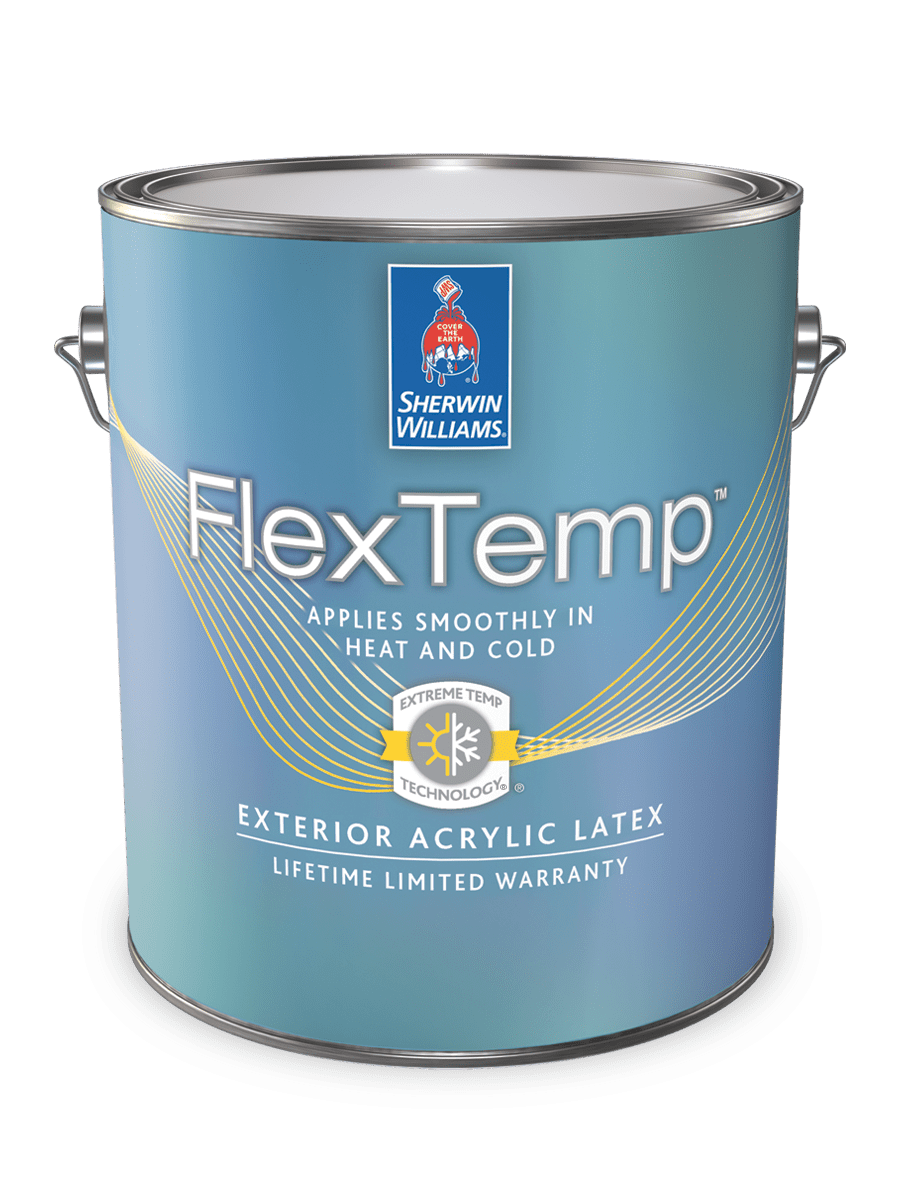
Flex Additives for Paint: Unlocking Durability and Flexibility
Post a Comment for "Flex Additive For Paint: Enhancing Durability And Flexibility"