Finding the Right Industrial Tank Painting Contractor: What to Look For

The longevity and performance of your industrial tanks depend heavily on the quality of their protective coating. This is where a skilled and experienced industrial tank painting contractor comes into play. Choosing the right contractor is crucial to ensure a successful project that meets your specific needs and budget.
This comprehensive guide will equip you with the knowledge and tools to find the ideal partner for your industrial tank painting project. We will delve into key factors to consider, essential questions to ask, and red flags to avoid, empowering you to make an informed decision.
Understanding Your Needs:
Before embarking on the contractor selection process, a clear understanding of your project’s requirements is essential. This includes:
- Tank Type and Size: The size, shape, and material of your tank will influence the type of coating required and the complexity of the project.
- Industry and Environment: The specific industry and operating environment will dictate the type of coating needed for optimal performance and safety. For example, a tank used in a corrosive environment will require a different coating than one used in a clean, dry environment.
- Safety and Regulatory Compliance: Compliance with industry-specific safety regulations and environmental standards is paramount. Your contractor should be familiar with these regulations and ensure their work adheres to them.
- Budget and Timeline: Establish a realistic budget and project timeline to ensure compatibility with potential contractors.
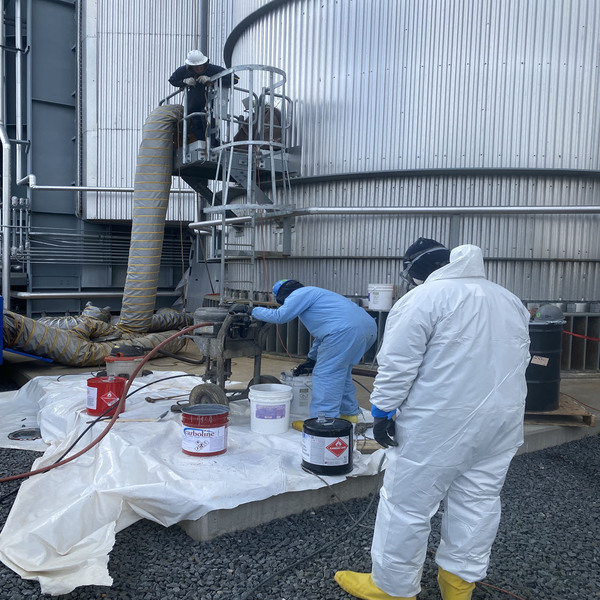
Essential Qualities of a Top-Tier Industrial Tank Painting Contractor:
1. Experience and Expertise:
- Years in Business: Look for contractors with a proven track record, demonstrating their experience and reliability. A longer tenure often indicates a strong reputation and a commitment to quality.
- Industry Specialization: Choose a contractor specializing in industrial tank painting. This ensures they possess the necessary knowledge and skills to handle the unique challenges associated with this type of project.
- Project Portfolio: Request a portfolio showcasing their previous work on similar projects. This provides valuable insight into their capabilities and the quality of their work.
- Certifications and Licenses: Verify that the contractor holds the necessary certifications and licenses to operate legally and safely.

2. Safety and Compliance:
- Safety Protocols: A reputable contractor prioritizes safety and adheres to strict safety protocols. They should have a documented safety plan and ensure their team is properly trained and equipped.
- Environmental Regulations: Compliance with environmental regulations is essential. The contractor should have a clear understanding of relevant regulations and employ environmentally friendly practices.
- Insurance Coverage: Ensure the contractor has adequate liability insurance and workers’ compensation coverage to protect your interests in case of accidents or incidents.

3. Project Management and Communication:
- Project Planning and Execution: A competent contractor will develop a detailed project plan outlining the scope of work, timeline, and resource allocation. They should be able to manage the project efficiently and effectively.
- Communication and Transparency: Open and consistent communication is crucial. The contractor should keep you informed throughout the project, addressing any questions or concerns promptly.
- Problem-Solving Abilities: Unexpected issues may arise during the project. A skilled contractor will have the expertise and resourcefulness to identify and resolve problems efficiently.
4. Quality and Materials:
- Coating Selection: The contractor should have a comprehensive understanding of different coatings and their suitability for various applications. They should be able to recommend the best coating for your specific needs.
- Material Quality: Insist on high-quality materials for the coating and preparation process. The contractor should be transparent about the materials used and provide documentation if required.
- Surface Preparation: Proper surface preparation is crucial for the longevity of the coating. The contractor should use appropriate techniques to ensure a clean, smooth, and well-prepared surface before applying the coating.
5. Customer Service and Reputation:
- Client Testimonials: Seek out client testimonials and reviews to gauge the contractor’s reputation and customer satisfaction levels.
- Responsiveness and Availability: The contractor should be responsive to your inquiries and readily available to address your concerns.
- Professionalism and Integrity: Look for a contractor who demonstrates professionalism, integrity, and a commitment to delivering high-quality results.
Key Questions to Ask Potential Contractors:
- What is your experience in industrial tank painting?
- Can you provide examples of similar projects you’ve completed?
- What certifications and licenses do you hold?
- What safety protocols do you have in place?
- How do you ensure compliance with environmental regulations?
- What is your approach to project planning and execution?
- How will you communicate with me throughout the project?
- What types of coatings do you use and what are their suitability for my application?
- How do you prepare the surface before applying the coating?
- What is your warranty policy?
- Can you provide references from previous clients?
Red Flags to Watch Out For:
- Unrealistic Pricing: Beware of contractors offering significantly lower prices than others. This could indicate a lack of experience, substandard materials, or inadequate safety measures.
- Lack of Transparency: If a contractor is hesitant to provide information about their experience, qualifications, or project processes, it could be a red flag.
- Poor Communication: Inconsistent communication or a lack of responsiveness to your inquiries should be considered a warning sign.
- Negative Reviews: Thoroughly research online reviews and testimonials to identify any patterns of negative feedback or complaints.
Selecting the Right Industrial Tank Painting Contractor:
Once you’ve carefully evaluated potential contractors, it’s time to select the best fit for your project. Consider the following factors:
- Experience and Expertise: Choose a contractor with proven experience in industrial tank painting.
- Safety and Compliance: Ensure the contractor adheres to strict safety protocols and environmental regulations.
- Project Management: Look for a contractor with a strong track record of successful project management.
- Quality and Materials: Insist on high-quality materials and proper surface preparation techniques.
- Customer Service and Reputation: Select a contractor with a positive reputation and excellent customer service.
Conclusion:
Choosing the right industrial tank painting contractor is a critical decision that impacts the longevity and performance of your tanks. By following the guidelines outlined in this article, you can confidently select a partner who possesses the experience, expertise, and commitment to deliver a successful project that meets your specific needs and exceeds your expectations.

Finding the Right Industrial Tank Painting Contractor: What to Look For
Post a Comment for "Finding The Right Industrial Tank Painting Contractor: What To Look For"