Creating a Spray Painted Plate Carrier: Tips and Techniques

Table of Content
Introduction
Spray painting a plate carrier is a popular way to personalize your gear and make it stand out. It’s a relatively simple process that can be done with basic tools and materials. This guide will walk you through the process step by step, providing tips and techniques for achieving a professional-looking finish.
Step 1: Preparation
Before you start painting, it’s crucial to properly prepare your plate carrier. This ensures a smooth, even finish and prevents paint from chipping or peeling later.
- Clean the surface: Use a degreaser or soap and water to remove any dirt, grime, oil, or grease from the plate carrier. Make sure to thoroughly dry the surface before proceeding.
- Mask off unwanted areas: Use painter’s tape to mask off any areas you don’t want to paint. This includes areas like zippers, buckles, and velcro. Be sure to use high-quality tape to prevent paint bleed.
- Sand the surface: Lightly sand the surface of the plate carrier with fine-grit sandpaper (220-400 grit). This will create a slightly rough surface that helps the paint adhere better.
- Prime the surface: Apply a primer specifically designed for plastics or nylon. This will create a smooth, even base for the paint to adhere to. Allow the primer to dry completely before moving on to the next step.

Step 2: Choosing the Right Paint
Selecting the right paint is critical for achieving a durable and aesthetically pleasing finish.
- Type of paint: For plate carriers, you have several options:
- Acrylic paint: Easy to apply and clean up, but may not be as durable as other options.
- Epoxy paint: More durable and resistant to scratches and abrasion, but can be more difficult to apply.
- Spray paint: Convenient for large areas, but may require multiple coats for full coverage.
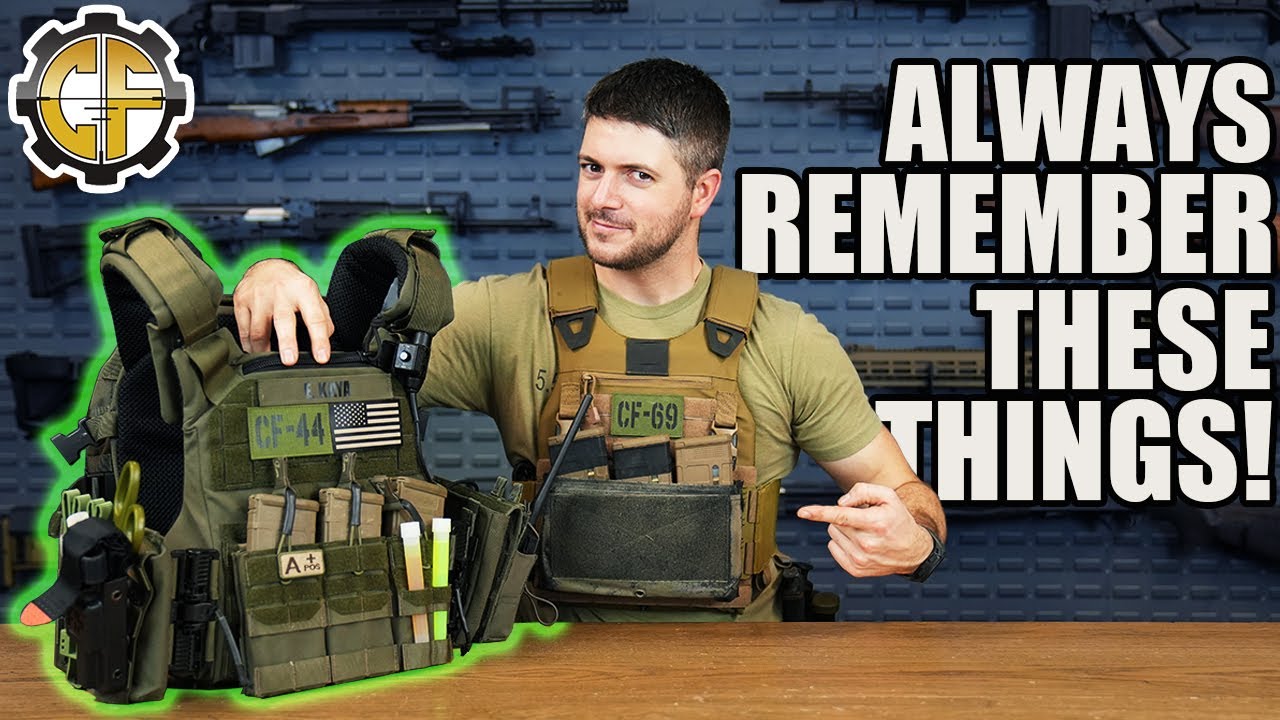
- Color: Choose a color that complements your overall gear setup and personal style. Consider using camouflage patterns or vibrant colors to make your plate carrier stand out.
- Finish: Choose between matte, satin, or gloss finishes depending on your preference. Matte finishes are less reflective, while gloss finishes provide a more polished look.

Step 3: Applying the Paint
Once you have your paint ready, it’s time to apply it to the plate carrier.
- Shake the paint can: Shake the paint can vigorously for at least one minute to ensure the paint is well mixed.
- Start with light coats: Apply thin, even coats of paint, allowing each coat to dry completely before applying the next. Too much paint in one coat can lead to runs and drips.
- Use a smooth, even motion: Move the spray can in a sweeping motion, keeping a consistent distance from the surface.
- Apply multiple coats: For full coverage and durability, apply at least two coats of paint.
- Let the paint cure: Allow the paint to cure completely before using the plate carrier. This usually takes 24-48 hours.
Step 4: Sealing the Paint
To protect your paint job and enhance its durability, consider sealing it with a clear coat.
- Types of clear coats: You can choose from various clear coat options:
- Acrylic clear coat: Easy to apply and provides good protection.
- Epoxy clear coat: More durable and resistant to scratches and abrasion.
- Polyurethane clear coat: Offers the highest level of protection and durability.
- Application: Apply the clear coat in thin, even coats, allowing each coat to dry completely before applying the next.
Tips and Techniques for Achieving a Professional Finish
- Use a well-ventilated area: Spray painting can release harmful fumes, so it’s important to work in a well-ventilated area.
- Wear a respirator: Protect yourself from inhaling paint fumes by wearing a respirator.
- Use gloves: Wear gloves to protect your hands from paint.
- Practice on scrap material: Practice your spray painting technique on a piece of scrap material before applying it to your plate carrier.
- Use a stencil: Create custom designs by using stencils.
- Use a paint booth: For a truly professional finish, consider using a paint booth.
- Clean up immediately: Clean up any spills or drips immediately to prevent them from drying and becoming difficult to remove.
Common Mistakes to Avoid
- Not preparing the surface properly: This can lead to paint peeling or chipping.
- Applying too much paint in one coat: This can cause runs and drips.
- Not letting the paint dry completely: This can prevent the paint from curing properly.
- Not sealing the paint: This can make the paint more susceptible to scratches and abrasion.
Conclusion
Spray painting a plate carrier can be a rewarding experience, allowing you to personalize your gear and make it unique. By following the tips and techniques outlined in this guide, you can achieve a professional-looking finish that will last for years to come. Remember to prioritize safety, preparation, and patience for optimal results.
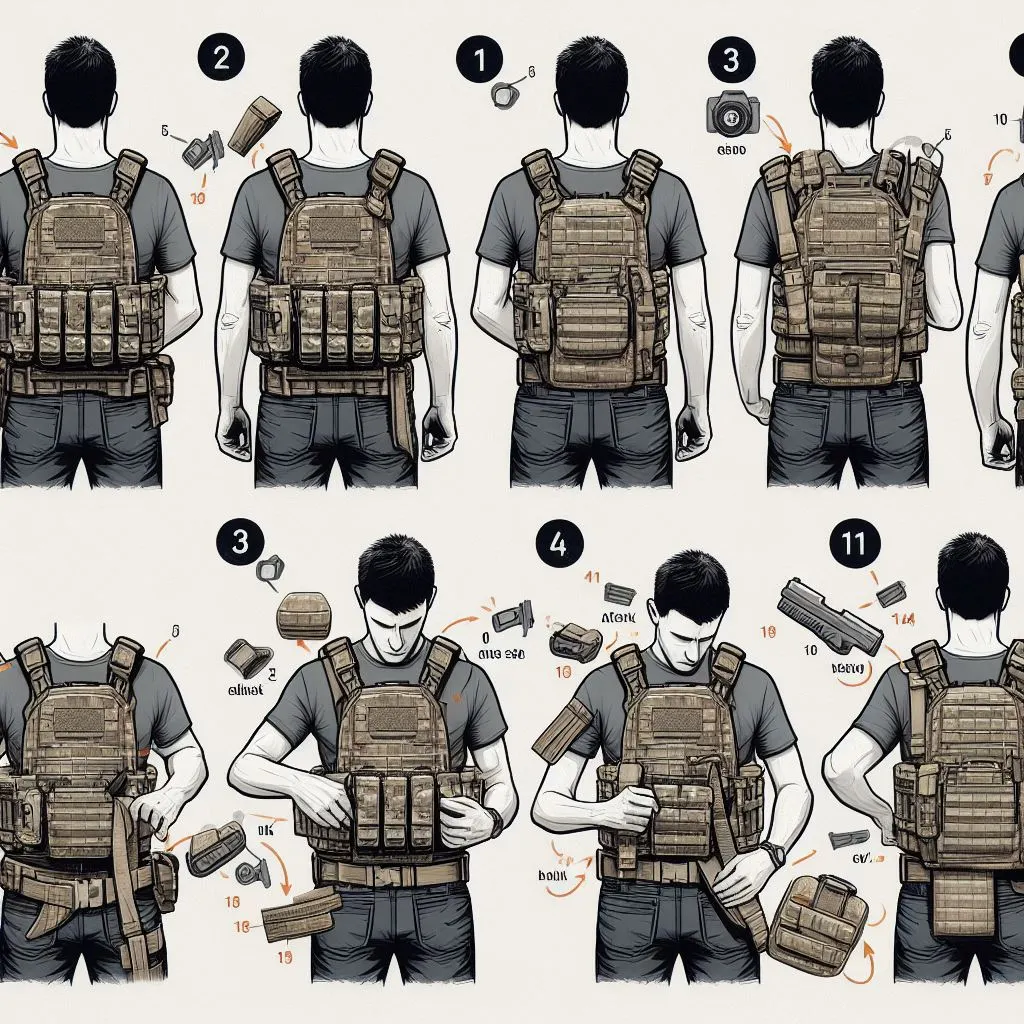
Creating a Spray Painted Plate Carrier: Tips and Techniques
Post a Comment for "Creating A Spray Painted Plate Carrier: Tips And Techniques"