Choosing a Distribution Center Painting Contractor: Key Considerations
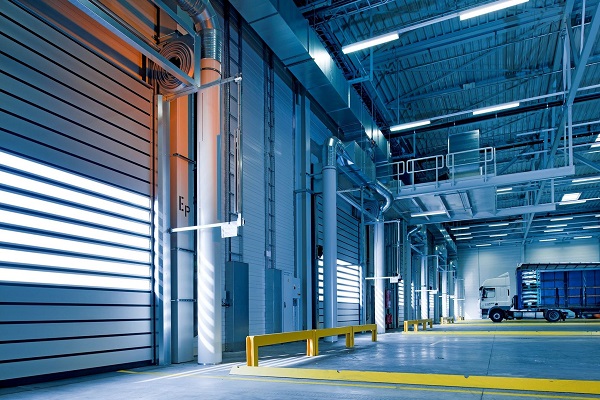
Your distribution center is the lifeblood of your operations. It’s where goods are received, stored, and shipped, ensuring a smooth flow of products to your customers. A well-maintained distribution center, including its paint, plays a crucial role in maintaining efficiency, safety, and a positive brand image.
When it’s time to repaint your distribution center, choosing the right painting contractor is paramount. This decision goes beyond just finding the cheapest option. You need a contractor who understands the unique challenges of industrial painting, possesses the expertise to handle large-scale projects, and can deliver a high-quality finish that meets your specific needs.
Understanding the Scope of Your Project
Before you start contacting contractors, it’s essential to define the scope of your project clearly. This includes:
- Area to be painted: Are you painting the entire facility, specific sections, or just certain features like walls, columns, or ceilings?
- Type of paint: Consider the type of paint that best suits your needs, such as epoxy, polyurethane, or acrylic, based on factors like durability, chemical resistance, and aesthetic preferences.
- Surface preparation: What level of surface preparation is required? This could range from simple cleaning to extensive repairs and patching.
- Timeline and budget: Establish a realistic timeline for the project and set a budget that allows for quality workmanship without compromising on safety or efficiency.
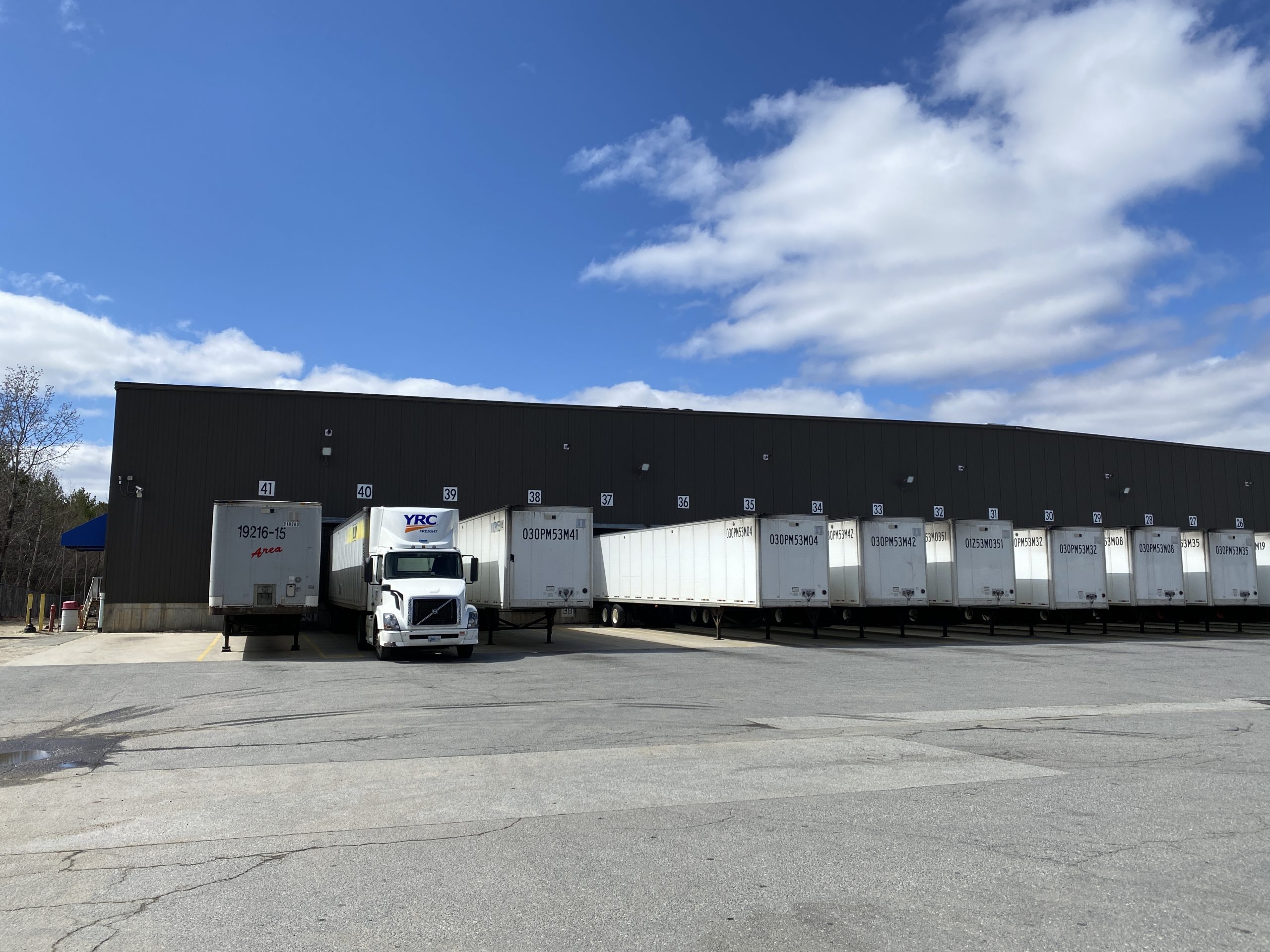
Key Considerations for Choosing a Contractor:
1. Experience and Expertise in Industrial Painting:
Look for a contractor with a proven track record of successfully completing large-scale industrial painting projects. Their experience should extend beyond residential or commercial painting, as distribution centers present unique challenges such as:
- Large scale and complex layouts: Contractors need to be adept at managing vast spaces and navigating intricate layouts.
- Safety regulations: Industrial facilities have strict safety regulations that need to be strictly adhered to, requiring a contractor with a strong safety culture and compliance record.
- Heavy-duty equipment: The use of specialized equipment like scaffolding, lifts, and sprayers is often necessary, demanding a contractor with the expertise and resources to handle such equipment safely and efficiently.
- Environmental considerations: Industrial painting projects may involve hazardous materials, requiring contractors to be environmentally conscious and comply with relevant regulations.

2. Licensing and Insurance:

Verify that the contractor is properly licensed and insured. This ensures they meet industry standards and are financially responsible in case of accidents or damages. Look for the following:
- State licensing: Ensure the contractor holds a valid painting license for your state.
- Workers’ compensation insurance: This protects your company from liability in case of worker injuries.
- General liability insurance: This covers damages to property and injuries to third parties.
- Environmental insurance: This protects your company from environmental liabilities related to the painting project.
3. Safety Record and Procedures:
Safety is paramount in an industrial setting. Inquire about the contractor’s safety record and procedures. Look for the following:
- Safety training and certifications: Ensure their team is properly trained in safety protocols and holds relevant certifications like OSHA 30-Hour Construction Safety and Health Training.
- Safety equipment and procedures: The contractor should use appropriate safety equipment and follow strict safety procedures during the project.
- Accident reporting and investigation: They should have a system for reporting and investigating accidents to prevent future occurrences.
4. References and Testimonials:
Request references from previous clients, particularly those in the industrial sector. Contact these clients to gather insights into the contractor’s performance, quality of work, and communication. Look for testimonials and online reviews that showcase their expertise and customer satisfaction.
5. Communication and Project Management:
Clear and consistent communication is crucial for a successful project. Choose a contractor who:
- Responds promptly to inquiries: They should be responsive and readily available to answer your questions and address your concerns.
- Provides detailed project plans: They should develop a clear project plan outlining the scope of work, timeline, materials, and budget.
- Keeps you informed of progress: They should provide regular updates on the project’s progress, including any challenges encountered and their solutions.
- Maintains open communication: They should be receptive to your feedback and willing to adjust the plan as needed.
6. Quality of Workmanship and Materials:
The quality of the paint job directly impacts the appearance, durability, and safety of your distribution center. Look for a contractor who:
- Uses high-quality materials: They should use reputable paint brands and materials that meet industry standards and your specific requirements.
- Employs experienced painters: Their painting team should consist of skilled professionals with a proven track record of delivering high-quality finishes.
- Provides warranties and guarantees: They should offer warranties on their work and materials to ensure satisfaction and protect your investment.
7. Pricing and Payment Terms:
Obtain detailed quotes from multiple contractors. Compare their pricing structures, payment terms, and any additional fees. Look for the following:
- Clear and detailed quotes: Quotes should be itemized, outlining the cost of labor, materials, and any other expenses.
- Competitive pricing: Compare quotes to ensure you’re getting a fair price for the scope of work.
- Flexible payment options: Consider payment terms that suit your budget and cash flow.
8. Environmental Responsibility:
As an environmentally conscious company, you should choose a contractor who shares your values. Look for the following:
- Use of low-VOC paints: They should use paints with low volatile organic compound (VOC) emissions to minimize air pollution.
- Proper waste disposal: They should have a plan for safely disposing of paint waste and other materials.
- Sustainability practices: They should implement sustainable practices throughout the project, such as using recycled materials and minimizing energy consumption.
9. Post-Project Support and Maintenance:
Once the project is complete, consider the contractor’s post-project support and maintenance options. Look for the following:
- Warranty and guarantee: They should offer warranties on their work and materials to protect your investment.
- Maintenance services: They should offer ongoing maintenance services to keep your painted surfaces in optimal condition.
- Responsive customer service: They should be readily available to address any issues or concerns that may arise after the project is complete.
Choosing the Right Contractor: A Decision-Making Framework
Once you have gathered information from multiple contractors, use a decision-making framework to evaluate them and make an informed choice. Here’s a suggested approach:
Step 1: Shortlist Potential Contractors:
Begin by narrowing down your options to a few contractors who meet your initial criteria.
Step 2: Conduct In-Depth Interviews:
Schedule in-person or virtual interviews with shortlisted contractors. Ask detailed questions to assess their expertise, experience, safety practices, and communication skills.
Step 3: Review References and Testimonials:
Contact references provided by the contractors and check online reviews to gather insights into their past performance and customer satisfaction.
Step 4: Compare Quotes and Payment Terms:
Analyze the quotes from each contractor, comparing pricing structures, payment terms, and any additional fees.
Step 5: Evaluate Environmental Responsibility:
Assess each contractor’s commitment to environmental sustainability and their practices for waste disposal and material selection.
Step 6: Make Your Decision:
Based on your evaluation, choose the contractor who best meets your needs, expectations, and budget.
Conclusion:
Choosing the right distribution center painting contractor is a critical decision that impacts your operations, safety, and brand image. By considering the key factors outlined above, you can ensure you select a contractor with the expertise, experience, and commitment to deliver a high-quality paint job that meets your specific needs and exceeds your expectations.

Choosing a Distribution Center Painting Contractor: Key Considerations
Post a Comment for "Choosing A Distribution Center Painting Contractor: Key Considerations"