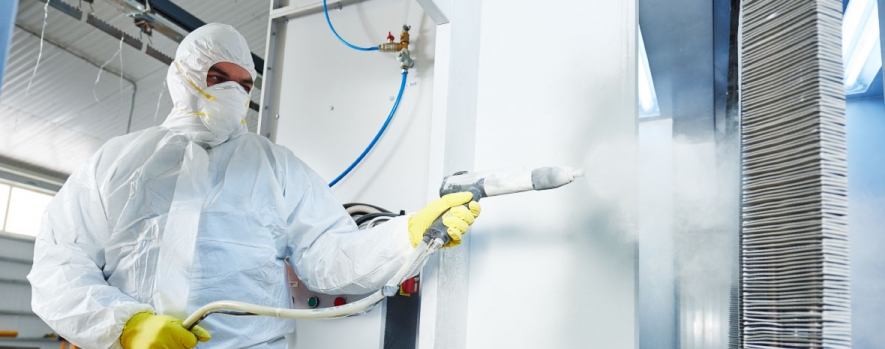
Safety First: Creating a Paint Spray Hood
Introduction
Paint spraying is a common industrial process that involves applying a protective or decorative coating to a surface. However, paint spraying can also generate hazardous fumes and particles that can pose significant health risks to workers. To mitigate these risks, it is essential to implement proper safety measures, including the use of a paint spray hood.
What is a Paint Spray Hood?
A paint spray hood is an enclosed structure designed to capture and exhaust paint fumes and particles generated during the spraying process. It typically consists of a booth or enclosure with an exhaust fan that draws air through the hood and filters out the contaminants. The filtered air is then released outside the work area, creating a safer environment for workers.
Benefits of Using a Paint Spray Hood
There are numerous benefits to using a paint spray hood in industrial settings, including:
- Improved Air Quality: Paint spray hoods effectively remove hazardous fumes and particles from the air, reducing the risk of respiratory problems and other health issues for workers.
- Enhanced Safety: By capturing and exhausting contaminants, paint spray hoods minimize the risk of fires and explosions caused by flammable paint fumes.
- Increased Productivity: A clean and safe work environment can improve worker morale and productivity, leading to increased efficiency and output.
- Compliance with Regulations: Many industries have regulations requiring the use of paint spray hoods to protect workers from hazardous substances.
Types of Paint Spray Hoods
There are various types of paint spray hoods available, each designed for specific applications. Common types include:
- Downward Flow Hoods: These hoods draw air downward through a filter, capturing contaminants before they reach the breathing zone of workers.
- Crossflow Hoods: Crossflow hoods direct air horizontally across the work area, capturing contaminants as they are generated.
- Combination Hoods: Combination hoods combine the features of both downward flow and crossflow hoods, providing comprehensive protection.
Factors to Consider When Choosing a Paint Spray Hood
When selecting a paint spray hood, it is important to consider the following factors:
- Size and Capacity: The size and capacity of the hood should be appropriate for the size of the work area and the volume of paint being sprayed.
- Airflow Rate: The airflow rate of the hood should be sufficient to capture and exhaust all contaminants generated during the spraying process.
- Filter Type: The type of filter used in the hood will determine the efficiency of contaminant removal. High-efficiency particulate air (HEPA) filters are recommended for capturing fine particles.
- Exhaust System: The exhaust system should be designed to effectively remove contaminants from the work area and discharge them outside.
Diagram: Paint Spray Hood Types and Features
| Hood Type | Airflow Pattern | Advantages | Disadvantages |
|---|---|---|---|
| Downward Flow | Airflow directed downward | Captures contaminants effectively | Can be noisy |
| Crossflow | Airflow directed horizontally | Provides uniform airflow | May not capture all contaminants |
| Combination | Combines downward flow and crossflow | Comprehensive protection | Complex design |
Creating a Paint Spray Hood
Building a paint spray hood requires careful planning and execution. The following steps provide a general guide:
- Design the Hood: Determine the size, capacity, and airflow requirements of the hood based on the work area and spraying process.
- Select Materials: Choose durable materials that can withstand the harsh conditions of paint spraying, such as galvanized steel or stainless steel.
- Construct the Frame: Build the frame of the hood using sturdy metal beams or supports.
- Install the Filters: Install high-efficiency filters in the hood to capture paint fumes and particles.
- Connect the Exhaust System: Connect the hood to an exhaust system that will discharge contaminants outside the work area.
- Test and Commission: Thoroughly test the hood to ensure it is operating properly and meets all safety requirements.
Conclusion
Paint spray hoods are essential safety devices that protect workers from the hazards associated with paint spraying. By capturing and exhausting hazardous fumes and particles, paint spray hoods create a safer and healthier work environment. When selecting and creating a paint spray hood, it is crucial to consider the specific requirements of the work area and spraying process. By following the guidelines outlined in this article, you can effectively design and implement a paint spray hood that meets your safety needs and complies with industry regulations.
Post a Comment for "Safety First: Creating A Paint Spray Hood"