Mastering the Art of Goose Decoy Painting: A Comprehensive Guide for Realistic Hunting Accessories
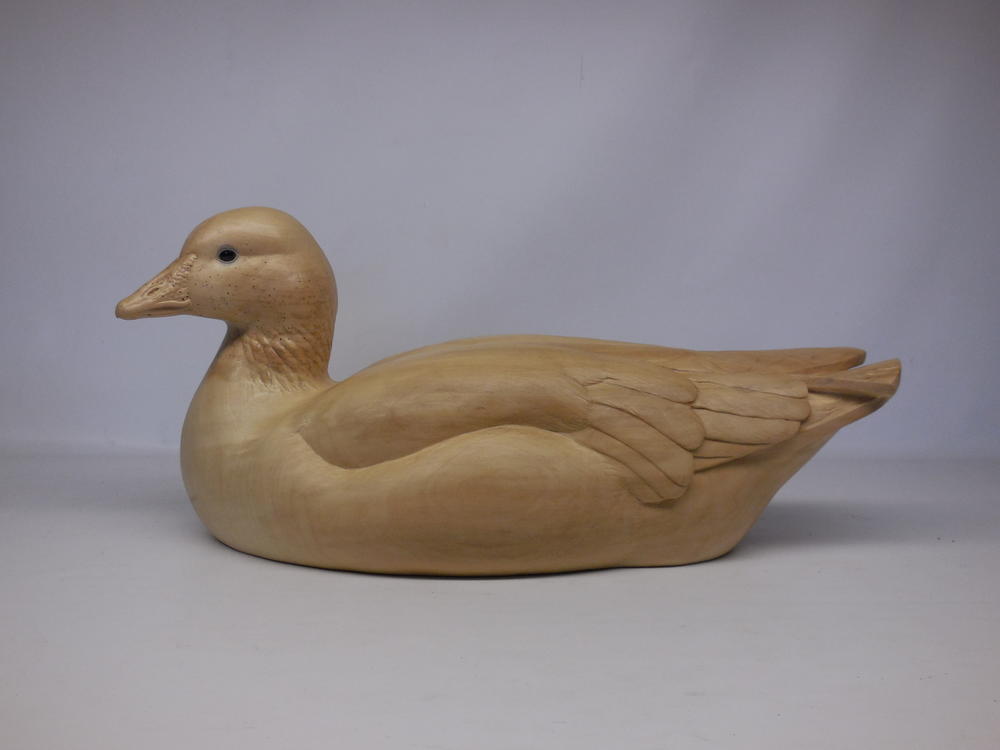
Table of Content
Introduction
For avid waterfowl hunters, realistic goose decoys are essential tools for attracting birds and increasing success rates. While commercially available decoys offer convenience, hand-painted decoys possess an unmatched level of realism that can make the difference between a successful hunt and a quiet morning. This comprehensive guide delves into the techniques and intricacies of painting goose decoys, empowering you to create highly realistic hunting accessories that will fool even the most wary birds.
Understanding Goose Anatomy and Coloration
Before embarking on the painting process, it’s crucial to understand the intricate details of goose anatomy and coloration. This knowledge forms the foundation for creating convincing decoys.
Goose Anatomy: Pay close attention to the bird’s head, beak, eyes, body shape, and wing structure. The head should be sculpted with a slight curve, reflecting the natural posture of a goose. The beak should be realistic in shape and size, with a subtle gradient from dark to light. The eyes, often overlooked, are critical for realism. They should be positioned correctly and painted with a lifelike shine. The body shape should accurately represent the species being depicted, showcasing the characteristic curves and proportions. Finally, the wing structure should be meticulously detailed, capturing the subtle feather patterns and textures.
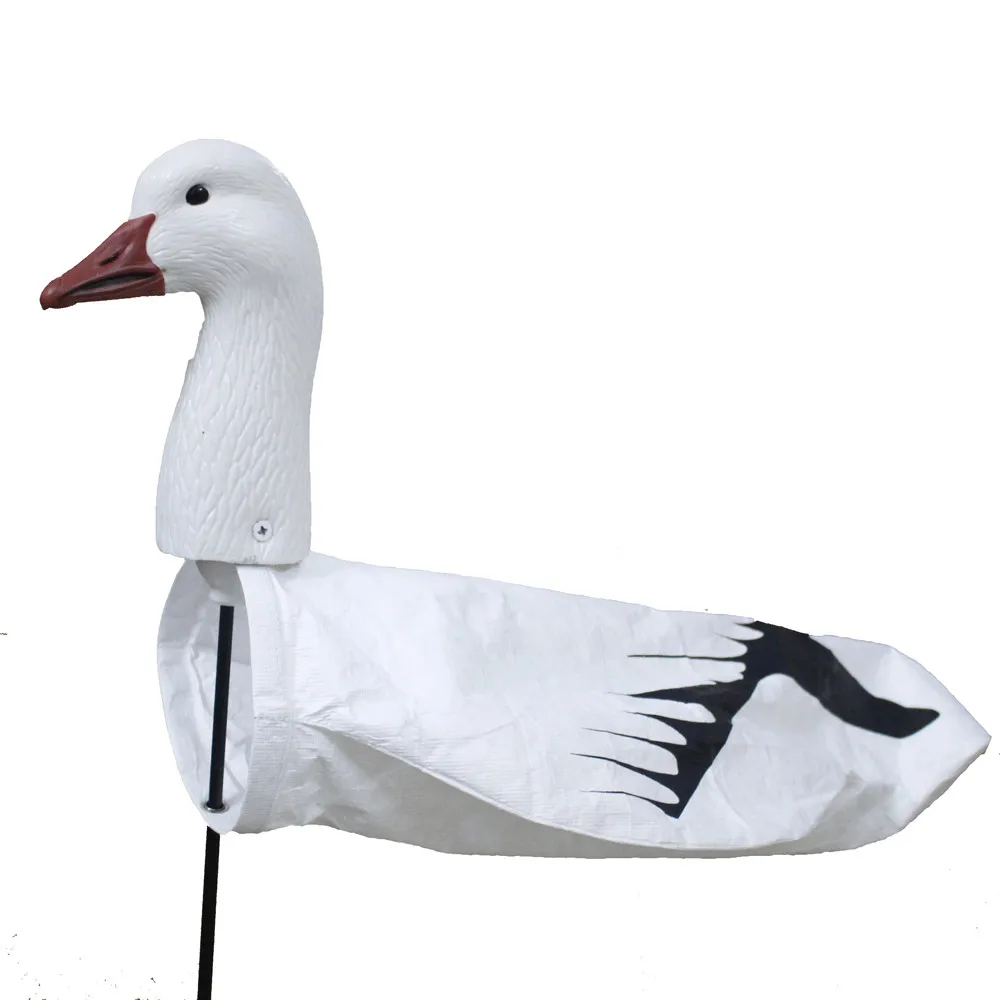
Goose Coloration: Goose coloration varies significantly depending on species, age, and season. Understanding these variations is essential for creating realistic decoys. For instance, Canada geese exhibit a distinct black head and neck with a white chin strap, while snow geese boast a pristine white plumage. Seasonal variations are also crucial to consider. During breeding season, many geese develop darker plumage, while their winter plumage is typically lighter.

Choosing the Right Paints and Materials
The quality of your paints and materials directly impacts the realism and longevity of your decoys.
Acrylic Paints: Acrylic paints are the preferred choice for goose decoy painting due to their quick drying time, vibrant colors, and water-based formula. They offer excellent adhesion to various surfaces, including plastic, wood, and foam.
Brushes: Invest in a range of high-quality brushes, including round brushes for fine details, flat brushes for large areas, and angled brushes for blending. The size of your brushes should correspond to the size of your decoys and the details you are painting.

Varnishes: A clear varnish is essential for protecting your painted decoys from the elements and ensuring their longevity. Water-based polyurethane varnishes offer excellent protection and a durable finish.

Preparing the Decoy for Painting
Proper preparation is key to achieving a smooth and realistic paint finish.
Cleaning: Begin by thoroughly cleaning your decoy to remove any dirt, grease, or residue. Use a mild soap and water solution, ensuring that all surfaces are free of contaminants.
Priming: Priming the decoy with a suitable primer creates a smooth and uniform surface for painting. Choose a primer that is compatible with your chosen paint and the material of your decoy.
Sanding: After the primer has dried, gently sand the surface to achieve a smooth finish. This step helps to eliminate any imperfections and ensures that the paint adheres evenly.
Painting Techniques for Realism
Mastering the art of painting goose decoys requires a combination of techniques and attention to detail.
Layering: Building up layers of paint is crucial for achieving depth and realism. Start with a base layer of the primary color, followed by subsequent layers of lighter and darker shades to create depth and dimension.
Blending: Blending colors seamlessly is key to creating realistic feathers and textures. Use a soft brush and circular motions to blend the edges of different colors, creating a gradual transition.
Dry Brushing: Dry brushing is a technique that involves using a dry brush to apply paint lightly, creating a subtle texture. This technique is particularly effective for depicting feathers and rough textures.
Highlighting and Shadowing: Highlighting and shadowing are essential for creating a three-dimensional effect. Use lighter shades to highlight areas that would be exposed to light and darker shades to create shadows in areas that would be shaded.
Creating Realistic Eyes and Beaks
The eyes and beak are critical features that contribute significantly to the realism of a decoy.
Eyes: The eyes should be painted with a lifelike shine and realistic detail. Use a small, round brush to apply a base layer of white paint, followed by a smaller dot of black paint in the center to create the pupil. Add a touch of yellow or orange paint around the pupil to create a realistic shine.
Beak: The beak should be painted with a subtle gradient from dark to light, reflecting the natural coloration of a goose beak. Start with a base layer of a darker shade, such as black or brown, and gradually blend in lighter shades towards the tip of the beak.
Painting Feathers and Textures
Painting feathers realistically requires meticulous attention to detail and a range of painting techniques.
Feather Patterns: Each species of goose has unique feather patterns. Research the specific species you are painting to understand the intricate details of their plumage.
Feather Shapes: Use a variety of brush strokes to depict the different shapes and sizes of feathers. Long, thin strokes can be used for primary feathers, while short, choppy strokes can be used for downy feathers.
Feather Textures: Create realistic feather textures by using different painting techniques, such as dry brushing, stippling, and layering.
Finishing Touches and Varnishing
After the paint has dried, apply a clear varnish to protect your decoy and enhance its durability.
Varnishing: Apply a thin layer of water-based polyurethane varnish to the entire decoy. Allow the varnish to dry completely before handling the decoy.
Details: Add finishing touches to your decoy, such as a realistic bill, a weathered base, or a subtle sheen to the feathers.
Conclusion
Painting goose decoys is a rewarding and challenging art form that requires patience, attention to detail, and a deep understanding of goose anatomy and coloration. By following the techniques outlined in this guide, you can create highly realistic hunting accessories that will attract birds and enhance your hunting success. Remember, practice makes perfect. With time and dedication, you will develop your skills and create decoys that are indistinguishable from the real thing.
Further Resources
- Online Tutorials: Numerous online tutorials and videos offer step-by-step instructions and demonstrations for painting goose decoys.
- Books: Several books dedicated to decoy painting provide detailed guidance and inspiration.
- Local Decoy Carving Clubs: Joining a local decoy carving club can provide access to experienced carvers and painters who can offer valuable advice and guidance.
Note: This guide provides a comprehensive overview of goose decoy painting techniques. For specific instructions on painting different species of geese, consult specialized resources and tutorials.
Mastering the Art of Goose Decoy Painting: A Comprehensive Guide for Realistic Hunting Accessories
Post a Comment for "Painting Goose Decoys: Techniques For Realistic Hunting Accessories"