Paint Filling Machine: Efficiency and Precision in Paint Jobs
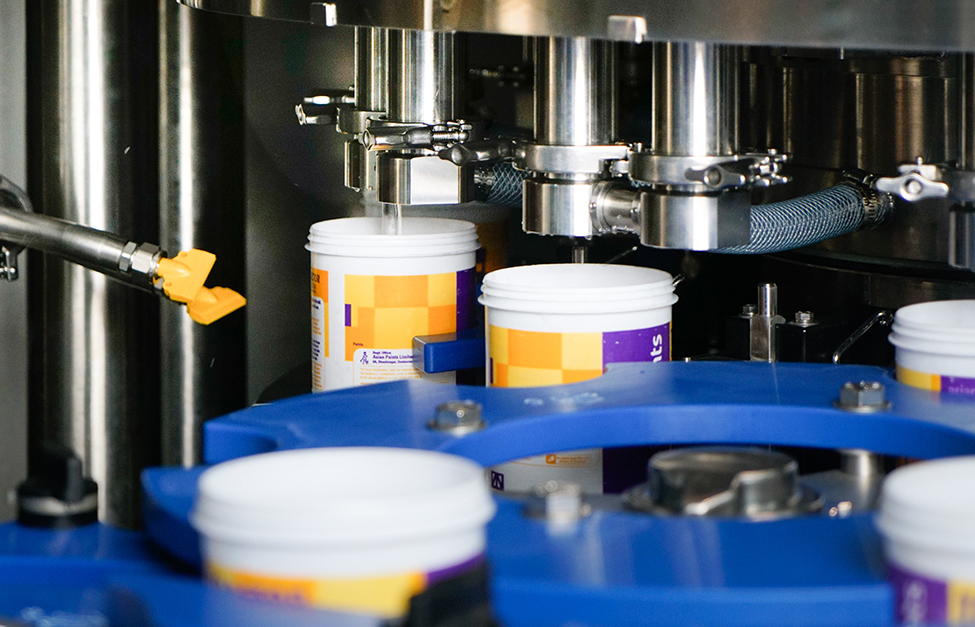
Table of Content
The paint filling machine, a marvel of modern engineering, has revolutionized the paint industry, bringing unparalleled efficiency and precision to the filling process. This specialized machinery automates the task of dispensing paint into containers, eliminating manual labor and ensuring consistent, accurate fills every time.
Understanding the Basics of Paint Filling Machines
Paint filling machines, also known as paint fillers, are designed to handle a wide range of paint types, from water-based and solvent-based paints to varnishes, lacquers, and even adhesives. These machines employ various filling methods, each tailored to the specific viscosity and properties of the paint being filled.
Types of Paint Filling Machines
The diverse needs of the paint industry have led to the development of various types of paint filling machines, each with its own advantages and applications:
- Piston Fillers: These machines use a piston to accurately dispense a predetermined volume of paint into containers. Piston fillers are ideal for high-viscosity paints, ensuring precise filling and minimal product loss.
- Rotary Fillers: Rotary fillers utilize a rotating mechanism to dispense paint, offering high-speed filling capabilities. This type is suitable for low-viscosity paints and applications requiring fast filling rates.
- Gravity Fillers: Gravity fillers rely on the force of gravity to dispense paint, making them simple and cost-effective. However, they are less precise than piston or rotary fillers and are typically used for smaller batches or less demanding applications.
- Linear Fillers: These machines use a linear motion to dispense paint, providing accurate and consistent fills. Linear fillers are versatile and can handle various paint types and container sizes.
- Net Weight Fillers: Designed for precise filling based on weight, net weight fillers ensure consistent product weight in each container, minimizing waste and ensuring uniform product quality.

Key Features of Paint Filling Machines
Modern paint filling machines are equipped with a range of features that enhance their functionality and efficiency:
- Automatic Container Handling: Many machines are integrated with automatic container handling systems, allowing for seamless container feeding and discharge. This eliminates manual handling, reducing labor costs and improving productivity.
- Precision Filling: Paint filling machines are designed for high precision, minimizing overfilling or underfilling. This ensures consistent product quality and reduces waste.
- Adjustable Filling Volume: Most machines offer adjustable filling volumes, allowing users to fill containers with varying amounts of paint, accommodating different product sizes and packaging requirements.
- User-Friendly Interface: User-friendly interfaces simplify machine operation, allowing even unskilled operators to easily adjust settings and monitor the filling process.
- Integrated Cleaning Systems: Some machines incorporate automated cleaning systems, reducing downtime and simplifying maintenance procedures.
- Data Logging and Tracking: Advanced models feature data logging capabilities, recording filling parameters and production data for quality control and process optimization.


Benefits of Using Paint Filling Machines
The adoption of paint filling machines brings numerous benefits to paint manufacturers and distributors:
- Increased Efficiency: Automation eliminates manual labor, significantly increasing filling speed and productivity.
- Improved Accuracy: Precision filling ensures consistent product quality, minimizing waste and product variability.
- Reduced Labor Costs: Automation reduces reliance on manual labor, lowering labor costs and improving profitability.
- Enhanced Product Quality: Consistent filling volumes and accurate dispensing minimize product variation, ensuring consistent quality across batches.
- Improved Safety: Automation reduces the risk of human error and potential accidents associated with manual filling.
- Reduced Waste: Accurate filling minimizes overfilling and product loss, reducing waste and minimizing environmental impact.
- Increased Output: Faster filling speeds allow for increased production output, meeting growing market demands.
Choosing the Right Paint Filling Machine
Selecting the right paint filling machine requires careful consideration of various factors:
- Paint Type: Different paint types require different filling methods, so consider the viscosity, consistency, and other properties of the paint you will be filling.
- Container Size and Shape: The size and shape of the containers you will be using will influence the type of filling machine and its handling capabilities.
- Production Volume: The desired production volume will determine the required filling speed and the machine’s capacity.
- Budget: Consider the initial investment cost and ongoing maintenance expenses when choosing a machine.
- Automation Level: Assess the level of automation required, from basic manual operation to fully automated systems.
The Future of Paint Filling Machines
The paint filling machine industry is constantly evolving, driven by technological advancements and the need for greater efficiency and precision. The future holds exciting developments, including:
- Increased Automation: Further integration of automation technologies will streamline operations, reducing human intervention and maximizing productivity.
- Advanced Control Systems: More sophisticated control systems will enable real-time monitoring and optimization of the filling process, enhancing efficiency and consistency.
- Data Analytics and Machine Learning: The application of data analytics and machine learning will provide valuable insights into production data, enabling predictive maintenance and process improvement.
- Sustainability Focus: Future paint filling machines will prioritize energy efficiency and minimize environmental impact, contributing to a more sustainable paint industry.
Conclusion
Paint filling machines have become indispensable tools in the paint industry, driving efficiency, precision, and quality in the filling process. By automating the filling process, these machines reduce labor costs, minimize waste, and ensure consistent product quality. As technology continues to advance, paint filling machines will continue to evolve, offering even greater benefits and contributing to a more efficient and sustainable paint industry.
Case Studies: Real-World Applications of Paint Filling Machines
To illustrate the impact of paint filling machines, let’s explore some real-world case studies:
- Case Study 1: Automotive Paint Manufacturer
A large automotive paint manufacturer implemented a high-speed, fully automated paint filling line. This investment resulted in a significant increase in production capacity, reducing filling time by 50% and enabling the company to meet the demands of a rapidly growing market. Additionally, the automated system ensured consistent filling accuracy, minimizing waste and improving product quality.
- Case Study 2: Industrial Coating Supplier
An industrial coating supplier switched from manual filling to a piston-based paint filling machine. This transition resulted in a 30% reduction in filling time, improved filling accuracy, and minimized product loss. The machine’s user-friendly interface also simplified operation, allowing for greater flexibility and reduced operator training time.
- Case Study 3: Small-Batch Paint Manufacturer
A small-batch paint manufacturer adopted a gravity-based paint filling system. This cost-effective solution enabled the company to efficiently fill smaller batches of specialty paints, meeting the needs of niche markets. The system’s simplicity and ease of use made it ideal for the company’s limited production volume.
Pricing and Availability
The price of paint filling machines can vary significantly depending on factors such as the type of machine, its features, and the manufacturer.
| Machine Type | Price Range |
|---|---|
| Gravity Fillers | $5,000 – $15,000 |
| Linear Fillers | $10,000 – $30,000 |
| Piston Fillers | $15,000 – $50,000 |
| Rotary Fillers | $20,000 – $70,000 |
| Net Weight Fillers | $30,000 – $100,000 |
Paint filling machines are available from a wide range of manufacturers, both domestic and international.
Conclusion
The paint filling machine is a testament to the power of automation in enhancing efficiency and precision in the paint industry. By eliminating manual labor, ensuring accurate filling, and offering a range of features, these machines have become essential tools for paint manufacturers and distributors worldwide. As technology continues to advance, we can expect even more innovative and efficient paint filling solutions to emerge, further transforming the industry and driving growth in the years to come.

Paint Filling Machine: Efficiency and Precision in Paint Jobs
Post a Comment for "Paint Filling Machine: Efficiency And Precision In Paint Jobs"