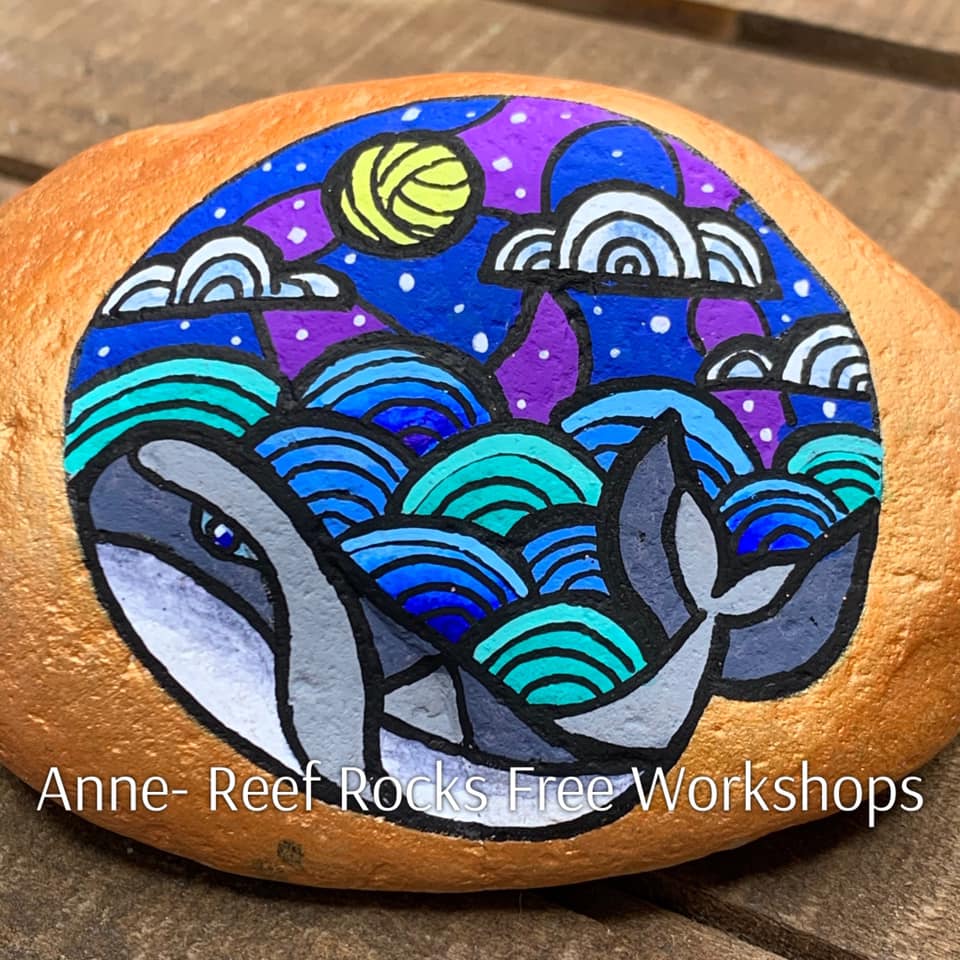
Marine Art: Creating Whale Painted Rocks
Introduction
The captivating beauty of marine life has long inspired artists to capture its essence through various mediums. Among these, the art of painting whales on rocks has emerged as a unique and enchanting form of expression. This guide will delve into the intricacies of whale painted rocks, exploring the techniques, materials, and inspiration behind this captivating art form.
Materials and Preparation
Rocks:
- Choose smooth, flat rocks with a natural shape that complements the whale’s form.
- River rocks, beach stones, and slate are popular options.
Paints:
- Acrylic paints are preferred for their versatility and durability.
- Use a variety of colors to create realistic and vibrant whales.
Brushes:
- Fine-tipped brushes are essential for intricate details.
- Round and flat brushes are suitable for different brushstrokes.
Other Materials:
- Primer (optional) to enhance paint adhesion.
- Clear sealant to protect the finished artwork.
Techniques
Base Layer:
- Apply a base layer of white or light-colored paint to provide a smooth surface.
- Allow it to dry completely.
Sketching:
- Lightly sketch the outline of the whale using a pencil or fine-tipped brush.
- Pay attention to the proportions and shape of the whale.
Painting:
- Start with the main body of the whale, using a larger brush.
- Gradually add details such as the eye, blowhole, and fins.
- Use a variety of brushstrokes to create texture and depth.
Shading and Highlights:
- Add shading to create a three-dimensional effect.
- Use darker colors for shadows and lighter colors for highlights.
- Blend colors smoothly to avoid harsh transitions.
Finishing Touches:
- Paint the water or background to complete the scene.
- Add details such as waves, seaweed, or other marine elements.
- Seal the finished artwork with a clear sealant to protect it from the elements.
Inspiration
The inspiration for whale painted rocks can come from various sources:
Nature:
- Observe the behavior and anatomy of whales in their natural habitat.
- Study photographs or videos to capture their unique characteristics.
Art History:
- Explore the works of marine artists such as Winslow Homer and J.M.W. Turner.
- Draw inspiration from their techniques and compositions.
Personal Experiences:
- Reflect on your own encounters with whales.
- Capture the emotions and memories associated with these experiences.
Whale Symbolism
Whales have long been revered in cultures worldwide, symbolizing:
- Power and Strength: Their immense size and intelligence inspire awe and respect.
- Wisdom and Spirituality: Whales are often associated with ancient knowledge and connection to the ocean.
- Freedom and Adventure: Their ability to traverse vast distances embodies a sense of exploration and liberation.
Conclusion
Creating whale painted rocks is a rewarding and expressive art form that allows you to capture the beauty and majesty of these magnificent creatures. By following the techniques and tips outlined in this guide, you can create stunning works of art that celebrate the wonders of the marine world. Whether you are a seasoned artist or a beginner, the art of whale painted rocks offers a unique and enchanting way to express your creativity and connect with the ocean’s allure.
Additional Tips
- Practice on smaller rocks before attempting larger ones.
- Experiment with different brushstrokes and techniques to find what works best for you.
- Use reference images to ensure accuracy in your paintings.
- Allow each layer of paint to dry completely before applying the next.
- Seal the finished artwork with a UV-resistant sealant to protect it from fading.
Pricing Guide
| Size of Rock | Price |
|---|---|
| Small (2-3 inches) | $15-$25 |
| Medium (4-6 inches) | $25-$40 |
| Large (7-9 inches) | $40-$60 |
| Extra Large (10 inches and above) | $60-$100 |
Note: Prices may vary depending on the complexity of the painting and the artist’s experience.
Post a Comment for "Marine Art: Creating Whale Painted Rocks"