Choosing the Right Ferrule Paint Brush for Your Project: A Comprehensive Guide
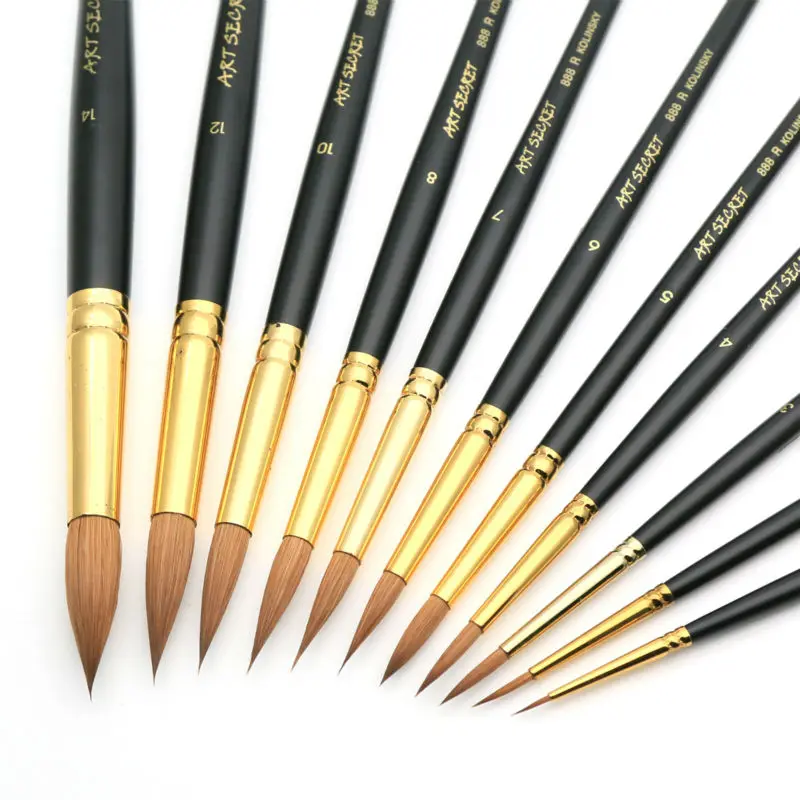
Table of Content
Navigating the world of paint brushes can feel overwhelming, especially when you’re trying to choose the right ferrule. This metal band, often overlooked, plays a crucial role in brush performance and longevity. Understanding ferrule types, materials, and construction is essential for selecting the perfect brush for your project. This comprehensive guide will equip you with the knowledge to make informed decisions, ensuring you achieve professional-quality results.
Ferrule Basics: The Foundation of a Great Brush
The ferrule acts as the bridge between the handle and the bristles, securely holding them in place. It also influences the brush’s weight, balance, and overall durability.
Types of Ferrules:
- Crimped Ferrules: The most common type, these are formed by crimping the metal around the bristle bundle. They offer a secure grip and are relatively inexpensive.
- Double Crimped Ferrules: These ferrules feature a double crimp for enhanced durability and resistance to bristle shedding. They are often used in professional-grade brushes.
- Nickel-Plated Ferrules: A layer of nickel plating adds a protective barrier against rust and corrosion, making them suitable for brushes used with water-based paints or in humid environments.
- Brushed Ferrules: These ferrules undergo a finishing process that gives them a textured, satin-like appearance. This enhances grip and prevents the brush from slipping.

Ferrule Materials:
- Aluminum: Lightweight and affordable, aluminum ferrules are a popular choice for general-purpose brushes.
- Brass: Offers greater durability and resistance to bending compared to aluminum. Brass ferrules are often used in brushes designed for heavy-duty applications.
- Stainless Steel: The most durable and corrosion-resistant option, stainless steel ferrules are ideal for brushes that will be exposed to harsh chemicals or frequent cleaning.

Ferrule Construction and Features:
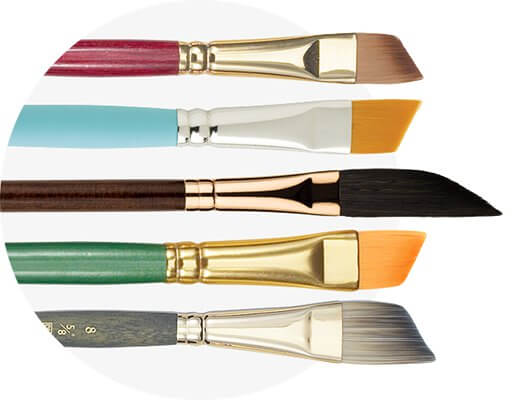
- Ferrule Length: A longer ferrule provides greater control and stability, particularly when working with large brushes. Shorter ferrules are more suited for smaller brushes and detailed work.
- Ferrule Diameter: The diameter of the ferrule determines the width of the bristle bundle. Wider ferrules allow for greater paint loading capacity, while narrower ferrules are better for precision applications.
- Ferrule Shape: Ferrules can be round, oval, or rectangular. Round ferrules offer a smooth transition between the handle and bristles, while oval and rectangular ferrules provide a more ergonomic grip.
Choosing the Right Ferrule for Your Project:
- Paint Type: Consider the type of paint you’ll be using. Water-based paints require a ferrule that resists corrosion, while oil-based paints may benefit from a more durable brass or stainless steel ferrule.
- Brush Size: The size of the brush will determine the appropriate ferrule size. Larger brushes typically have wider ferrules, while smaller brushes have narrower ferrules.
- Application: The intended use of the brush will influence the choice of ferrule. For detailed work, a smaller, lighter ferrule is ideal, while for large-scale painting, a heavier, wider ferrule will provide greater control.
- Budget: Ferrules vary in price depending on the materials used and the construction. Aluminum ferrules are the most affordable, followed by brass, with stainless steel being the most expensive.
Ferrule Maintenance and Care:
- Cleaning: Regularly clean your brushes to prevent paint buildup and extend their lifespan. Use a suitable brush cleaner and avoid harsh chemicals that can damage the ferrule.
- Storage: Store your brushes in a dry, cool place to prevent rust and corrosion. Avoid storing them with the bristles pointing upwards, as this can deform the ferrule.
Understanding the Relationship Between Ferrule and Bristles:
The ferrule plays a vital role in how the bristles perform. The way the bristles are attached to the ferrule influences the brush’s ability to hold paint, release it smoothly, and create desired brushstrokes.
Bristle Types:
- Natural Bristles: Made from animal hair, natural bristles are known for their excellent paint-holding capacity and ability to produce smooth, consistent strokes. They are best suited for oil-based paints.
- Synthetic Bristles: Made from nylon or polyester, synthetic bristles are more durable and versatile than natural bristles. They can be used with both water-based and oil-based paints and are often preferred for their ability to resist fading and shedding.
Ferrule and Bristle Compatibility:
- Natural Bristles: Natural bristles typically require a ferrule with a wider diameter to accommodate the thicker bristle bundle.
- Synthetic Bristles: Synthetic bristles can be used with a wider range of ferrule diameters, as they are typically thinner and more flexible.
Ferrule and Brush Balance:
The weight and balance of a brush are crucial for comfortable and precise application. A well-balanced brush will feel comfortable in your hand, allowing you to apply paint with ease and control.
Factors Influencing Balance:
- Ferrule Weight: A heavier ferrule can make the brush feel top-heavy, while a lighter ferrule will result in a more balanced feel.
- Bristle Weight: The weight of the bristles also contributes to the overall balance of the brush.
- Handle Length and Material: The length and material of the handle also play a role in balance. A longer handle can make the brush feel more balanced, while a shorter handle can provide greater control.
Choosing the Right Brush Balance:
- Detailed Work: For detailed work, a lighter, more balanced brush is essential for precise control.
- Large-Scale Painting: For large-scale painting, a heavier, more stable brush is preferable for greater control and stability.
Conclusion:
Choosing the right ferrule for your paint brush is crucial for achieving professional-quality results. By understanding the different types, materials, and construction features of ferrules, you can select the perfect brush for your project, ensuring you have the tools you need to unleash your creativity. Remember to consider the type of paint, brush size, application, and your budget when making your decision.
Further Exploration:
- Brush Care and Maintenance: Learn how to properly clean and store your brushes to maximize their lifespan.
- Brush Types: Explore the vast array of brush types available for different painting techniques and applications.
- Paint Techniques: Master various paint techniques to elevate your painting skills and achieve stunning results.
Remember, the right ferrule is the foundation for a great brush. Choose wisely and unlock your artistic potential!
Our Form: Choosing the Right Ferrule Paint Brush for Your Project: A Comprehensive Guide
This comprehensive guide will help you navigate the complex world of paint brushes and choose the perfect ferrule for your project. We will delve into the details of ferrule types, materials, construction, and their impact on brush performance and longevity. Armed with this knowledge, you can confidently select the ideal brush for your artistic endeavors.
Understanding the Ferrule: The Unsung Hero of Brush Performance
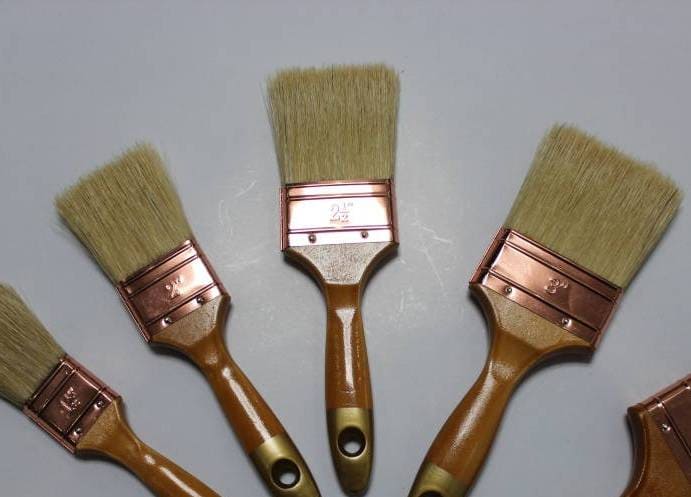
The ferrule, often overlooked, is a crucial component of any paint brush. This metal band serves as the bridge between the handle and the bristles, ensuring a secure and durable connection. It also significantly influences the brush’s weight, balance, and overall performance.
Types of Ferrules: A Spectrum of Choices
Crimped Ferrules: The most common type, crimped ferrules are formed by pressing the metal around the bristle bundle. They offer a secure grip and are relatively inexpensive, making them a popular choice for general-purpose brushes.
Double Crimped Ferrules: For enhanced durability and resistance to bristle shedding, double crimped ferrules are the go-to option. They feature two crimps, providing a tighter grip and ensuring a longer lifespan for the brush.
Nickel-Plated Ferrules: When working with water-based paints or in humid environments, nickel-plated ferrules are the ideal choice. The nickel plating acts as a protective barrier against rust and corrosion, extending the brush’s lifespan.
Brushed Ferrules: These ferrules undergo a finishing process that gives them a textured, satin-like appearance. This unique finish enhances grip, preventing the brush from slipping and providing a more comfortable feel.
Ferrule Materials: Choosing the Right Metal for the Job
Aluminum: Lightweight and affordable, aluminum ferrules are a popular choice for general-purpose brushes. They offer a good balance of strength and affordability.
Brass: For greater durability and resistance to bending, brass ferrules are the preferred choice. They are often found in brushes designed for heavy-duty applications and can withstand the rigors of frequent use.
Stainless Steel: The ultimate in durability and corrosion resistance, stainless steel ferrules are ideal for brushes that will be exposed to harsh chemicals or frequent cleaning. They are a long-lasting investment, ensuring years of reliable performance.
Ferrule Construction: Beyond the Basics
Ferrule Length: A longer ferrule offers greater control and stability, especially when working with large brushes. This extended length provides leverage, allowing for smoother and more controlled strokes. Shorter ferrules are best suited for smaller brushes and detailed work, where precision is paramount.
Ferrule Diameter: The diameter of the ferrule determines the width of the bristle bundle. Wider ferrules allow for greater paint loading capacity, enabling you to cover larger areas with fewer strokes. Narrower ferrules are ideal for precision applications, allowing for intricate detail and fine lines.
Ferrule Shape: Ferrules come in various shapes, each offering unique advantages. Round ferrules provide a smooth transition between the handle and bristles, ensuring a comfortable grip. Oval and rectangular ferrules offer a more ergonomic grip, providing greater control and stability during use.
Choosing the Right Ferrule for Your Project: A Step-by-Step Guide
Paint Type: Consider the type of paint you will be using. Water-based paints require a ferrule that resists corrosion, such as nickel-plated or stainless steel. Oil-based paints may benefit from a more durable brass or stainless steel ferrule.
Brush Size: The size of the brush will determine the appropriate ferrule size. Larger brushes typically have wider ferrules to accommodate a larger bristle bundle, while smaller brushes have narrower ferrules for precision work.
Application: The intended use of the brush will influence the choice of ferrule. For detailed work, a smaller, lighter ferrule is ideal, allowing for delicate strokes and precise control. For large-scale painting, a heavier, wider ferrule will provide greater stability and control, enabling you to cover large areas with ease.
Budget: Ferrules vary in price depending on the materials used and the construction. Aluminum ferrules are the most affordable, followed by brass, with stainless steel being the most expensive. Consider your budget and the frequency of use when making your choice.
Ferrule Maintenance and Care: Ensuring Longevity
- Cleaning: Regularly clean your brushes to prevent paint buildup and extend their lifespan. Use a suitable brush cleaner and avoid harsh chemicals that can damage the ferrule.
- Storage: Store your brushes in a dry, cool place to prevent rust and corrosion. Avoid storing them with the bristles pointing upwards, as this can deform the ferrule.
The Ferrule-Bristle Connection: A Dynamic Duo
The ferrule plays a crucial role in how the bristles perform. The way the bristles are attached to the ferrule influences the brush’s ability to hold paint, release it smoothly, and create desired brushstrokes.
Bristle Types: Natural vs. Synthetic
- Natural Bristles: Made from animal hair, natural bristles are known for their excellent paint-holding capacity and ability to produce smooth, consistent strokes. They are best suited for oil-based paints.
- Synthetic Bristles: Made from nylon or polyester, synthetic bristles are more durable and versatile than natural bristles. They can be used with both water-based and oil-based paints and are often preferred for their ability to resist fading and shedding.
Ferrule and Bristle Compatibility: The choice of ferrule should be compatible with the type of bristles. Natural bristles typically require a ferrule with a wider diameter to accommodate the thicker bristle bundle. Synthetic bristles can be used with a wider range of ferrule diameters, as they are typically thinner and more flexible.
Ferrule and Brush Balance: A Key to Comfort and Control
The weight and balance of a brush are crucial for comfortable and precise application. A well-balanced brush will feel comfortable in your hand, allowing you to apply paint with ease and control.
Factors Influencing Balance:
- Ferrule Weight: A heavier ferrule can make the brush feel top-heavy, while a lighter ferrule will result in a more balanced feel.
- Bristle Weight: The weight of the bristles also contributes to the overall balance of the brush. Heavier bristles can make the brush feel more top-heavy.
- Handle Length and Material: The length and material of the handle also play a role in balance. A longer handle can make the brush feel more balanced, while a shorter handle can provide greater control.
Choosing the Right Brush Balance:
- Detailed Work: For detailed work, a lighter, more balanced brush is essential for precise control. This allows for delicate strokes and intricate details.
- Large-Scale Painting: For large-scale painting, a heavier, more stable brush is preferable for greater control and stability. This ensures smooth and consistent strokes, even when covering large areas.
Conclusion: Empowering Your Artistic Journey
Choosing the right ferrule for your paint brush is a crucial step in achieving professional-quality results. By understanding the different types, materials, and construction features of ferrules, you can select the perfect brush for your project, ensuring you have the tools you need to unleash your creativity. Remember to consider the type of paint, brush size, application, and your budget when making your decision.
Further Exploration: Unveiling the World of Brushes
- Brush Care and Maintenance: Learn how to properly clean and store your brushes to maximize their lifespan.
- Brush Types: Explore the vast array of brush types available for different painting techniques and applications.
- Paint Techniques: Master various paint techniques to elevate your painting skills and achieve stunning results.
The right ferrule is the foundation for a great brush. Choose wisely and unlock your artistic potential!
Choosing the Right Ferrule Paint Brush for Your Project: A Comprehensive Guide
Post a Comment for "Choosing The Right Ferrule Paint Brush For Your Project"