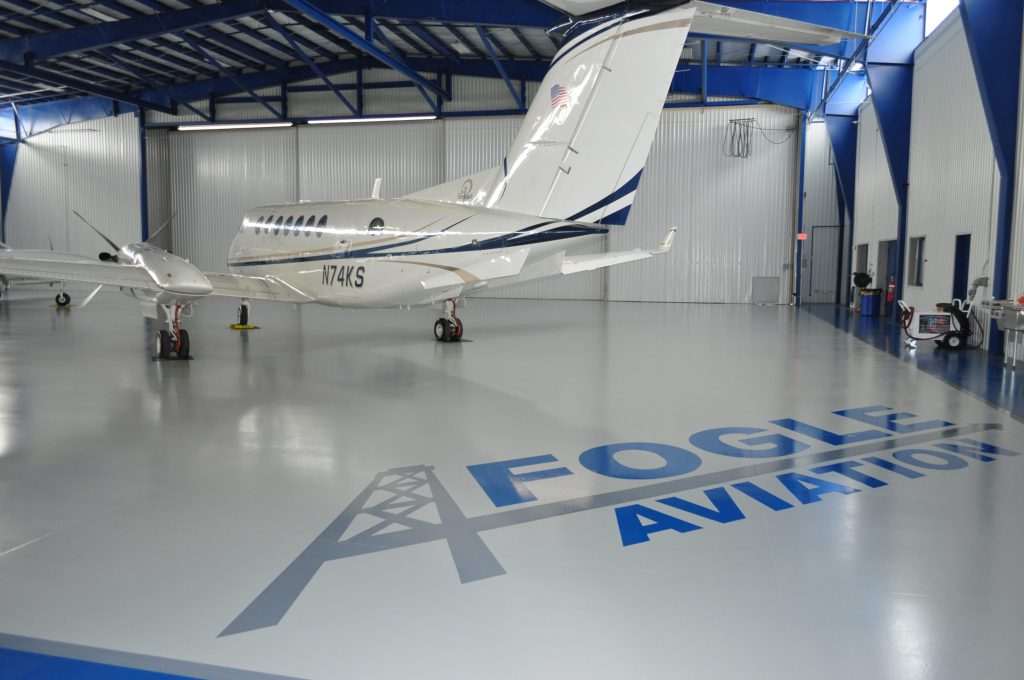
Aircraft Hangar Floor Paint Installation: Tips for Seamless Application
Introduction
Aircraft hangars are critical facilities that require durable and functional flooring to withstand the demands of aircraft maintenance and storage. Paint plays a crucial role in protecting and enhancing the performance of hangar floors. This article provides comprehensive tips and guidelines for seamless aircraft hangar floor paint installation, ensuring optimal performance and longevity.
Floor Preparation
Surface Cleaning: Thoroughly clean the floor surface to remove dirt, grease, and other contaminants. Use a degreaser or detergent solution and a pressure washer for effective cleaning.
Repair and Leveling: Inspect the floor for any cracks or unevenness. Repair any defects using appropriate patching materials and level the surface using self-leveling compounds if necessary.
Moisture Mitigation: Ensure that the floor is free from moisture before painting. Conduct a moisture test using a moisture meter or calcium chloride test kit. If moisture is present, install a moisture barrier or vapor retarder to prevent moisture penetration.
Paint Selection
Type of Paint: Choose a paint specifically designed for aircraft hangars, such as epoxy or polyurethane coatings. These paints offer excellent durability, chemical resistance, and abrasion resistance.
Color and Reflectivity: Consider the desired color and reflectivity of the paint. Light-colored paints reflect more light, creating a brighter and more spacious environment. Darker paints absorb more light, resulting in a cooler floor surface.
Slip Resistance: Ensure that the paint provides adequate slip resistance to prevent accidents. Test the paint’s slip resistance using a pendulum tester or ASTM D2047 test method.
Application Techniques
Primer Application: Apply a primer to the prepared floor surface to improve paint adhesion and enhance durability. Allow the primer to dry completely before applying the paint.
Thinning and Mixing: Thin the paint according to the manufacturer’s instructions to achieve the desired consistency. Mix the paint thoroughly to ensure uniform coverage and color.
Roller Application: Use a high-quality roller with a short nap to apply the paint evenly. Roll in multiple directions to ensure complete coverage.
Brush Application: Use a brush to apply paint around edges, corners, and areas inaccessible by the roller.
Multiple Coats: Apply multiple coats of paint, allowing each coat to dry completely before applying the next. The number of coats required will depend on the desired thickness and durability.
Curing and Maintenance
Curing Time: Allow the paint to cure according to the manufacturer’s instructions. Avoid foot traffic or heavy equipment on the floor during this period.
Regular Cleaning: Maintain the floor by sweeping or vacuuming regularly to remove dirt and debris. Use a mild detergent solution for periodic cleaning.
Repairs and Touch-Ups: Inspect the floor regularly for any signs of damage or wear. Repair any damaged areas promptly to prevent further deterioration.
Diagram: Aircraft Hangar Floor Paint Installation Process
| Step | Description |
|---|---|
| 1 | Floor Preparation |
| 2 | Paint Selection |
| 3 | Application Techniques |
| 4 | Curing and Maintenance |
Conclusion
By following these comprehensive tips and guidelines, you can ensure a seamless aircraft hangar floor paint installation that will provide optimal performance and longevity. Proper floor preparation, paint selection, application techniques, and maintenance practices are essential for achieving a durable and functional hangar floor that meets the demanding requirements of aircraft operations.
Post a Comment for "Aircraft Hangar Floor Paint Installation: Tips For Seamless Application"