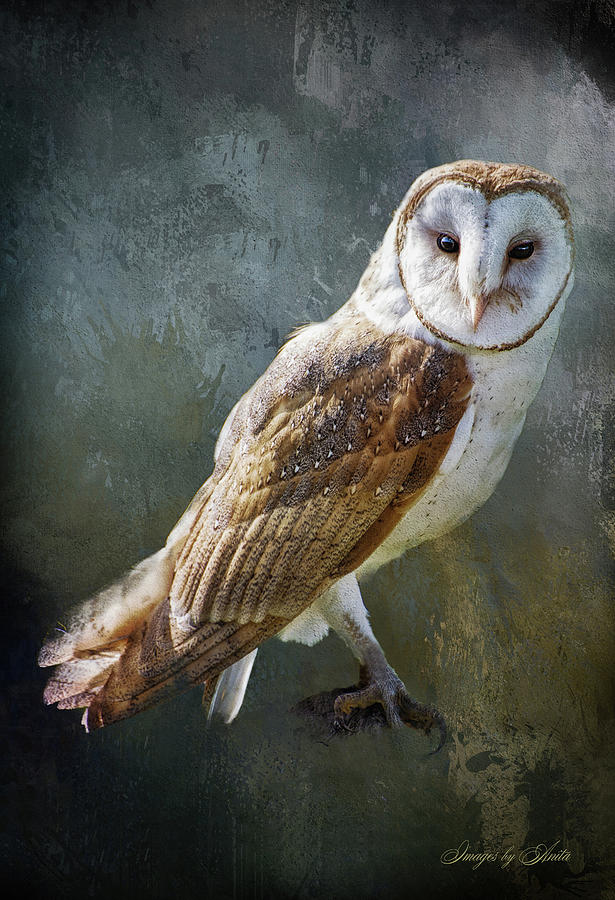
Nocturnal Owls: Capturing the Beauty of Barn Owls in Paintings
Introduction
The enigmatic barn owl, with its haunting nocturnal presence and captivating appearance, has long inspired artists to capture its ethereal beauty on canvas. From the delicate brushstrokes of wildlife painters to the bold strokes of contemporary abstract expressionists, the barn owl has emerged as a timeless subject in the world of art. This article delves into the captivating allure of barn owls in paintings, exploring the techniques, symbolism, and emotional resonance that have made them enduring muses for generations of artists.
The Allure of the Barn Owl
Barn owls possess an inherent mystique that has captivated humans for centuries. Their large, round eyes, heart-shaped facial disc, and distinctive white plumage create a striking visual presence that draws the viewer’s attention. The owl’s nocturnal habits and silent flight further enhance its enigmatic aura, making it a symbol of wisdom, mystery, and the unknown.
Techniques and Styles
Artists have employed a wide range of techniques to capture the essence of barn owls in paintings. Realist painters meticulously render the owl’s intricate plumage, capturing every feather and nuance of color. Impressionists use loose brushstrokes and vibrant hues to convey the owl’s movement and the play of light and shadow in its surroundings. Abstract expressionists, on the other hand, focus on expressing the owl’s emotional and symbolic qualities through bold colors and gestural marks.
Symbolism and Interpretation
Barn owls have long been associated with wisdom, knowledge, and intuition. In ancient Greece, they were considered sacred to the goddess Athena, who was known for her intelligence and strategic prowess. In many cultures, owls are seen as guardians of the night, protectors against evil spirits, and messengers between the worlds of the living and the dead.
Emotional Resonance
Beyond their symbolic significance, barn owls evoke a range of emotions in viewers. Their piercing gaze can be both alluring and intimidating, drawing the viewer into their mysterious world. The owl’s nocturnal nature and association with the unknown can inspire feelings of awe, wonder, and a sense of connection to the natural world.
Masterpieces of Barn Owl Paintings
Throughout history, numerous renowned artists have created iconic paintings featuring barn owls. Among the most notable examples are:
- "The Barn Owl" by John James Audubon (1831): This lifelike depiction of a barn owl perched on a branch showcases Audubon’s meticulous attention to detail and his ability to capture the owl’s predatory nature.
- "The Owl" by Georges Braque (1912): Braque’s cubist interpretation of a barn owl emphasizes the owl’s geometric shapes and fragmented forms, creating a sense of mystery and intrigue.
- "Barn Owl" by Andrew Wyeth (1963): Wyeth’s evocative painting depicts a barn owl in flight against a moonlit sky, capturing the owl’s nocturnal beauty and its connection to the natural world.
Conclusion
The barn owl, with its enigmatic presence and captivating appearance, has become a timeless subject in the world of art. From the realism of wildlife painters to the abstraction of contemporary artists, the barn owl continues to inspire and fascinate viewers with its beauty, symbolism, and emotional resonance. Whether depicted in traditional or modern styles, barn owl paintings offer a glimpse into the mysterious world of the night and the enduring power of nature’s wonders.
Post a Comment for "Nocturnal Owls: Capturing The Beauty Of Barn Owls In Paintings"