The Ultimate Guide to Durable Inflatable Boat Bottom Paint: Protection & Performance
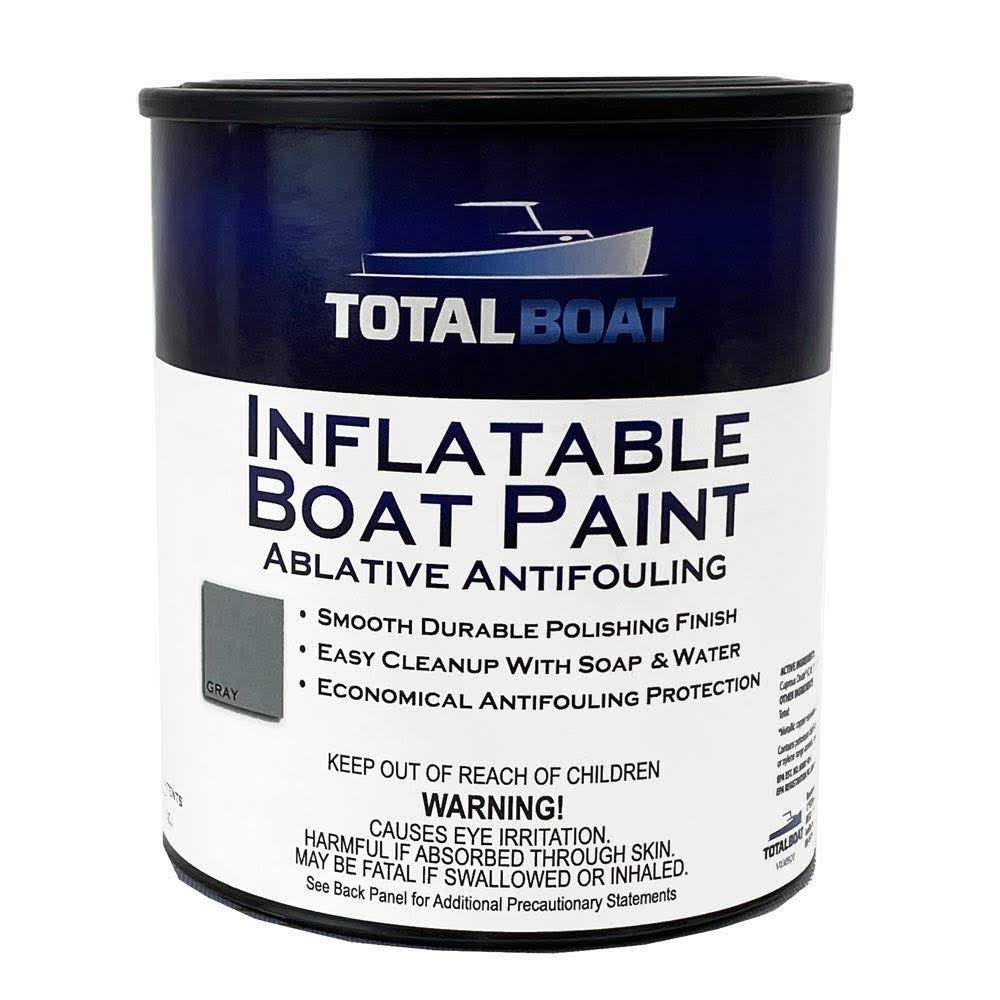
Table of Content
Inflatable boats offer a versatile and convenient way to enjoy the water, but their delicate fabric construction demands special attention when it comes to protection. The bottom of your inflatable boat is constantly exposed to the harsh elements of water, sun, and abrasion, making it vulnerable to damage. This is where the right bottom paint comes into play.
This comprehensive guide delves into the world of inflatable boat bottom paints, exploring the latest innovations, application techniques, and crucial considerations for achieving long-lasting protection and optimal performance.
Understanding the Need for Inflatable Boat Bottom Paint
Unlike rigid hulls, inflatable boat bottoms are susceptible to various forms of damage:
- Abrasion: Contact with rocks, sand, or even rough water can cause tears and punctures in the fabric.
- UV Degradation: Prolonged exposure to sunlight weakens the fabric, leading to discoloration, cracking, and eventual failure.
- Growth of Marine Organisms: Barnacles, algae, and other marine life can attach to the bottom, increasing drag and hindering performance.
- Chemical Damage: Saltwater, fuel spills, and other chemicals can degrade the fabric over time.

Types of Inflatable Boat Bottom Paint
Choosing the right bottom paint is essential for ensuring effective protection. Here’s a breakdown of the most common types:
1. Ablative Paints:
- Mechanism: Ablative paints contain a sacrificial layer that wears away with use, constantly exposing a fresh protective barrier.
- Pros: Excellent protection against abrasion, easy to apply, and require less frequent maintenance.
- Cons: Can be less durable against UV degradation and marine growth, may require more frequent reapplication depending on usage.

2. Hard Antifouling Paints:
- Mechanism: These paints form a hard, smooth surface that resists the attachment of marine organisms.
- Pros: Highly effective against fouling, long-lasting, and offer excellent UV protection.
- Cons: Can be more difficult to apply, may require professional installation, and can be less forgiving of minor scratches.
3. Silicone-Based Paints:
- Mechanism: Silicone-based paints create a flexible, water-repellent barrier that protects against abrasion and water penetration.
- Pros: Excellent flexibility, highly durable, and offer good resistance to UV degradation and marine growth.
- Cons: Can be more expensive than other options, may require specific preparation techniques.
4. Hybrid Paints:
- Mechanism: These paints combine the benefits of ablative and hard antifouling technologies.
- Pros: Offer a balanced approach, providing good protection against abrasion, fouling, and UV degradation.
- Cons: May not offer the same level of protection as specialized paints in specific areas.
Factors to Consider When Choosing Bottom Paint:
- Boat Usage: Consider the frequency and type of use. Boats used in saltwater environments will require stronger protection against fouling than those primarily used in freshwater.
- Climate: Hot, sunny climates demand paints with excellent UV resistance.
- Budget: Bottom paints range in price, with specialized options being more expensive.
- Application: Consider your skill level and available resources. Some paints require professional application.
Preparation is Key: Getting Your Inflatable Boat Ready for Paint
Proper preparation ensures the paint adheres correctly and provides long-lasting protection:
- Thorough Cleaning: Remove all dirt, debris, and existing paint using a suitable cleaner.
- Repairing Damage: Patch any holes, tears, or punctures using a dedicated repair kit.
- Sanding: Lightly sand the surface to create a rough texture for better adhesion.
- Masking: Protect areas you don’t want to paint with masking tape and drop cloths.
Application Techniques for Inflatable Boat Bottom Paint
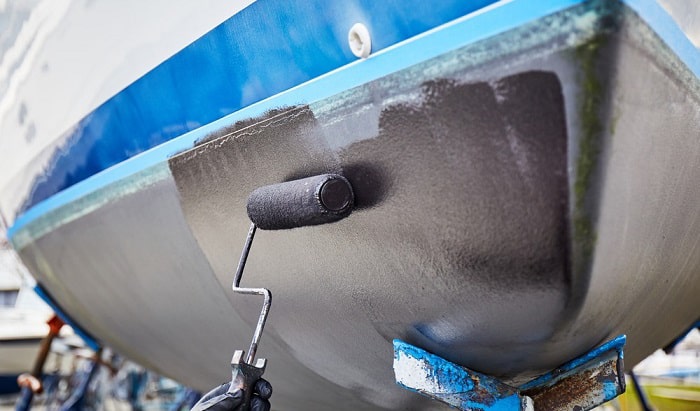
- Roller Application: Most suitable for large areas, ensuring even coverage.
- Brush Application: Ideal for intricate areas and corners, offering more control.
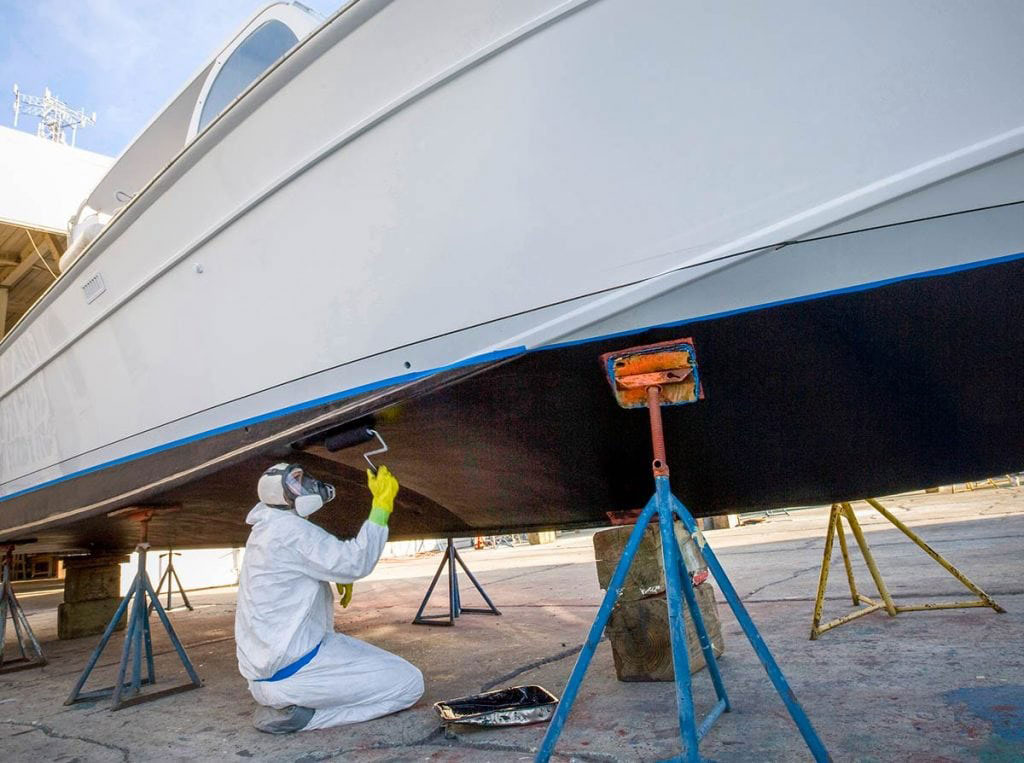
- Spray Application: Provides a fast and efficient application, but requires careful preparation and ventilation.
Maintenance & Re-Application:
- Regular Cleaning: Keep the bottom clean to prevent dirt and debris from accumulating.
- Inspect for Damage: Check for scratches, abrasions, or peeling paint regularly.
- Re-Application: Follow the manufacturer’s recommendations for re-application frequency, typically every 1-3 years.
Tips for Long-Lasting Protection:
- Rinse After Use: Flush the bottom with fresh water after every use to remove salt and debris.
- Store Properly: Store the boat in a dry, well-ventilated area when not in use.
- Use Protective Covers: Cover the boat with a UV-resistant cover to minimize sun exposure.
Choosing the Right Paint for Your Needs
For Casual Use (Freshwater, Limited Sun Exposure):
- Ablative Paints: Offer good protection against abrasion and are easy to apply.
- Silicone-Based Paints: Provide excellent flexibility and UV resistance.
For Frequent Use (Saltwater, Prolonged Sun Exposure):
- Hard Antifouling Paints: Provide long-lasting protection against fouling and UV degradation.
- Hybrid Paints: Offer a balanced approach with good protection against abrasion, fouling, and UV damage.
For High-Performance Applications (Racing, Frequent Rough Water Use):
- Silicone-Based Paints: Offer exceptional flexibility and durability.
- Specialized Performance Paints: Designed for extreme conditions, providing maximum protection against abrasion and impact.
Conclusion: Protecting Your Investment
Investing in the right bottom paint for your inflatable boat is crucial for ensuring its longevity and performance. By understanding the different types of paints, their application techniques, and maintenance requirements, you can make informed decisions to protect your investment and enjoy many years of worry-free adventures on the water.
The Ultimate Guide to Durable Inflatable Boat Bottom Paint: Protection & Performance
Post a Comment for "Durable Solutions For Inflatable Boat Bottom Paint"