Capturing the Golden Hour: A Beginner’s Guide to Painting a Sunset Lighthouse

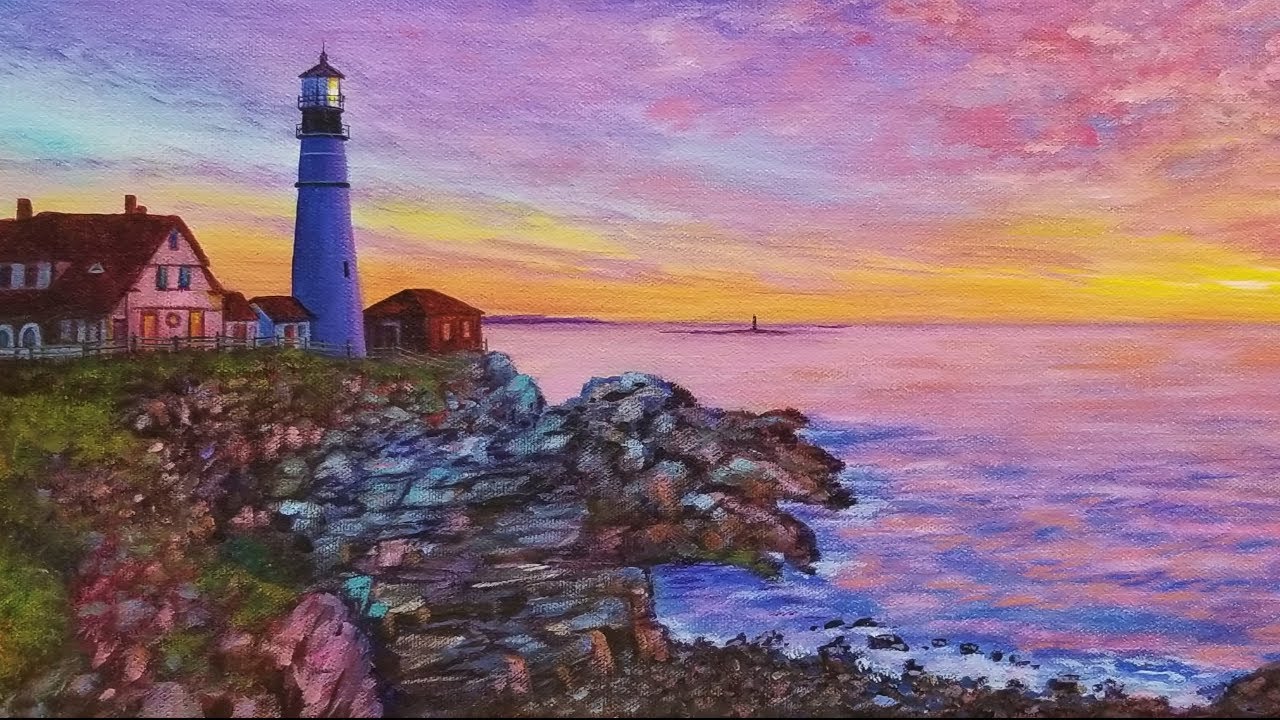
The allure of a sunset lighthouse painting lies in its ability to evoke a sense of tranquility, nostalgia, and the timeless beauty of nature. The warm hues of the setting sun, the rugged silhouette of the lighthouse, and the gentle waves crashing against the shore create a scene that captivates the imagination.
This comprehensive guide will take you step-by-step through the process of creating your own sunset lighthouse masterpiece, providing essential tips and techniques tailored for beginners. Whether you’re a complete novice or have some painting experience, this guide will equip you with the knowledge and confidence to embark on this artistic journey.
Choosing Your Medium and Materials
The first step is to decide on the medium that best suits your artistic style and preferences. Acrylics, watercolors, oils, and even digital painting software offer distinct advantages and challenges.
Acrylics: Known for their quick drying time and vibrant colors, acrylics are a popular choice for beginners. They are water-soluble, allowing for easy blending and washes, and can be applied on various surfaces, including canvas, paper, and wood.
Watercolors: Watercolors offer a unique ethereal quality and the ability to create delicate washes and translucent layers. However, they require careful control and can be challenging for beginners due to their unpredictable nature.

Oils: Oils provide a rich, buttery texture and a wide range of color possibilities. They offer more time for blending and require a longer drying time, making them suitable for meticulous work. However, oils require specific solvents and can be messy to work with.
Digital Painting Software: Digital painting programs offer a versatile and convenient option, allowing you to experiment with various brushes, colors, and effects. They also offer undo and redo functionalities, making them ideal for beginners who want to explore different techniques without the fear of mistakes.
Understanding the Composition: Balancing Elements
A well-composed painting is essential for creating a visually appealing and captivating artwork. The key is to balance the elements within the frame, guiding the viewer’s eye through the scene.

The Rule of Thirds: This fundamental composition guideline suggests dividing the canvas into nine equal sections using two horizontal and two vertical lines. Placing key elements along these lines or at their intersections creates a more dynamic and visually interesting composition.
Leading Lines: Utilize natural elements like the horizon line, the lighthouse’s beam, or the path of the waves to guide the viewer’s eye towards the focal point of the painting.
Negative Space: Don’t be afraid to leave empty space in your composition. Negative space, the area surrounding the subject matter, can enhance the visual impact of the painting by providing breathing room and emphasizing the focal point.
Focal Point: Identify the most important element in your painting, the element that draws the viewer’s attention first. This could be the lighthouse itself, the setting sun, or a specific detail within the scene. Ensure that the focal point is visually dominant and positioned strategically within the composition.
Color Palette: Capturing the Sunset’s Magic
The color palette plays a crucial role in conveying the mood and atmosphere of your sunset lighthouse painting. Choose colors that reflect the warm, golden hues of the setting sun and the calming presence of the ocean.
Warm Colors: Utilize shades of orange, yellow, red, and pink to depict the vibrant colors of the sunset. Experiment with different shades and intensities to create depth and dimension.
Cool Colors: Introduce shades of blue, purple, and green to represent the ocean and sky. These cool colors will help to balance the warmth of the sunset and create a sense of harmony.
Complementary Colors: Consider using complementary color pairings, such as orange and blue, to create visual contrast and enhance the vibrancy of your painting.
Value Contrast: Vary the lightness and darkness of your colors to create depth and dimension. For example, use darker shades for the foreground elements and lighter shades for the background.
Creating the Lighthouse: A Symbol of Strength and Guidance
The lighthouse is the central element of your painting, symbolizing strength, guidance, and hope. Pay attention to its shape, details, and the way it interacts with the surrounding environment.
Shape and Structure: Observe the lighthouse’s structure, paying attention to its form, size, and the placement of windows, doors, and other architectural details.
Light and Shadow: Use light and shadow to define the lighthouse’s form and create a sense of volume. Consider the direction of the setting sun and how it casts shadows on the lighthouse’s surface.
Texture: Add texture to the lighthouse’s surface using various brushstrokes and techniques. You can use impasto, a thick application of paint, to create a rough, textured surface, or use thin washes to create a smooth, polished look.
Depicting the Ocean: A Canvas of Tranquility
The ocean plays a vital role in the composition, providing a sense of calmness and vastness. Capture its movement and texture using various techniques.
Waves: Use a variety of brushstrokes to represent the movement of the waves. Short, choppy strokes can depict crashing waves, while longer, sweeping strokes can create a sense of gentle motion.
Color Gradations: Utilize subtle color gradations to depict the depth and transparency of the water. Use lighter shades for the surface and gradually transition to darker shades as you move towards the bottom.
Reflections: Consider the reflections of the sunset and the lighthouse on the water’s surface. Use delicate brushstrokes and subtle color variations to create a realistic and captivating effect.
Painting the Sky: A Canvas of Hues and Light
The sky is the backdrop for your sunset lighthouse painting, offering an opportunity to showcase the vibrant colors and dramatic light of the setting sun.
Color Transitions: Use smooth color transitions to create a realistic depiction of the sunset. Start with warm orange and yellow hues near the horizon and gradually transition to cooler blues and purples as you move towards the zenith.
Cloud Formations: Add clouds to the sky to enhance its visual interest. Use soft brushstrokes to create fluffy cumulus clouds or more dramatic, swirling formations to convey a sense of movement.
Light and Shadow: Consider the way the setting sun casts light and shadow on the clouds, creating a dramatic and dynamic effect.
Adding Details and Finishing Touches
Once you have completed the main elements of your painting, add details to enrich the scene and create a sense of realism.
Foreground Elements: Include foreground elements, such as rocks, seaweed, or driftwood, to add depth and texture to the composition.
Birds in Flight: Add a few birds in flight to create a sense of movement and add a touch of life to the scene.
Boat on the Horizon: Consider adding a small boat on the horizon to add a sense of scale and human presence.
Tips for Beginners
Start with a Sketch: Before you start painting, create a rough sketch of your composition on your canvas or paper. This will help you to visualize the arrangement of elements and make adjustments as needed.
Use Reference Photos: Use reference photos to guide your painting process. Study the shapes, colors, and textures of the lighthouse, ocean, and sky to create a realistic and accurate representation.
Practice Brushstrokes: Experiment with different brushstrokes to create different textures and effects. Use a variety of brushes, from small detail brushes to large flat brushes, to achieve the desired look.
Don’t Be Afraid to Experiment: Don’t be afraid to experiment with different colors, techniques, and styles. There is no right or wrong way to paint. The most important thing is to enjoy the process and create a painting that you are proud of.
Take Breaks: Take breaks when you need them. Painting can be a demanding activity, so it’s important to rest your eyes and mind.
Don’t Be Discouraged: If you’re not happy with your first attempt, don’t be discouraged. Keep practicing, and you will gradually improve your skills.
Conclusion
Painting a sunset lighthouse is a rewarding and enjoyable experience that allows you to express your creativity and capture the beauty of nature. By following the tips and techniques outlined in this guide, you can create a stunning and captivating masterpiece that will be treasured for years to come. Remember to embrace the process, experiment with different techniques, and most importantly, have fun!

Capturing the Golden Hour: A Beginner’s Guide to Painting a Sunset Lighthouse
Post a Comment for "Creating A Sunset Lighthouse Painting: Tips For Beginners"