Electrostatic Paint Spraying: A Comprehensive Guide for Industry Professionals
Introduction
Electrostatic paint spraying, a cutting-edge painting technique, has revolutionized the industrial and automotive sectors. This innovative approach utilizes the principles of electrostatics to enhance paint adhesion, reduce overspray, and improve overall coating efficiency. This comprehensive guide delves into the intricacies of electrostatic paint spraying, providing an in-depth understanding of its principles, applications, and advantages.
Principles of Electrostatic Paint Spraying
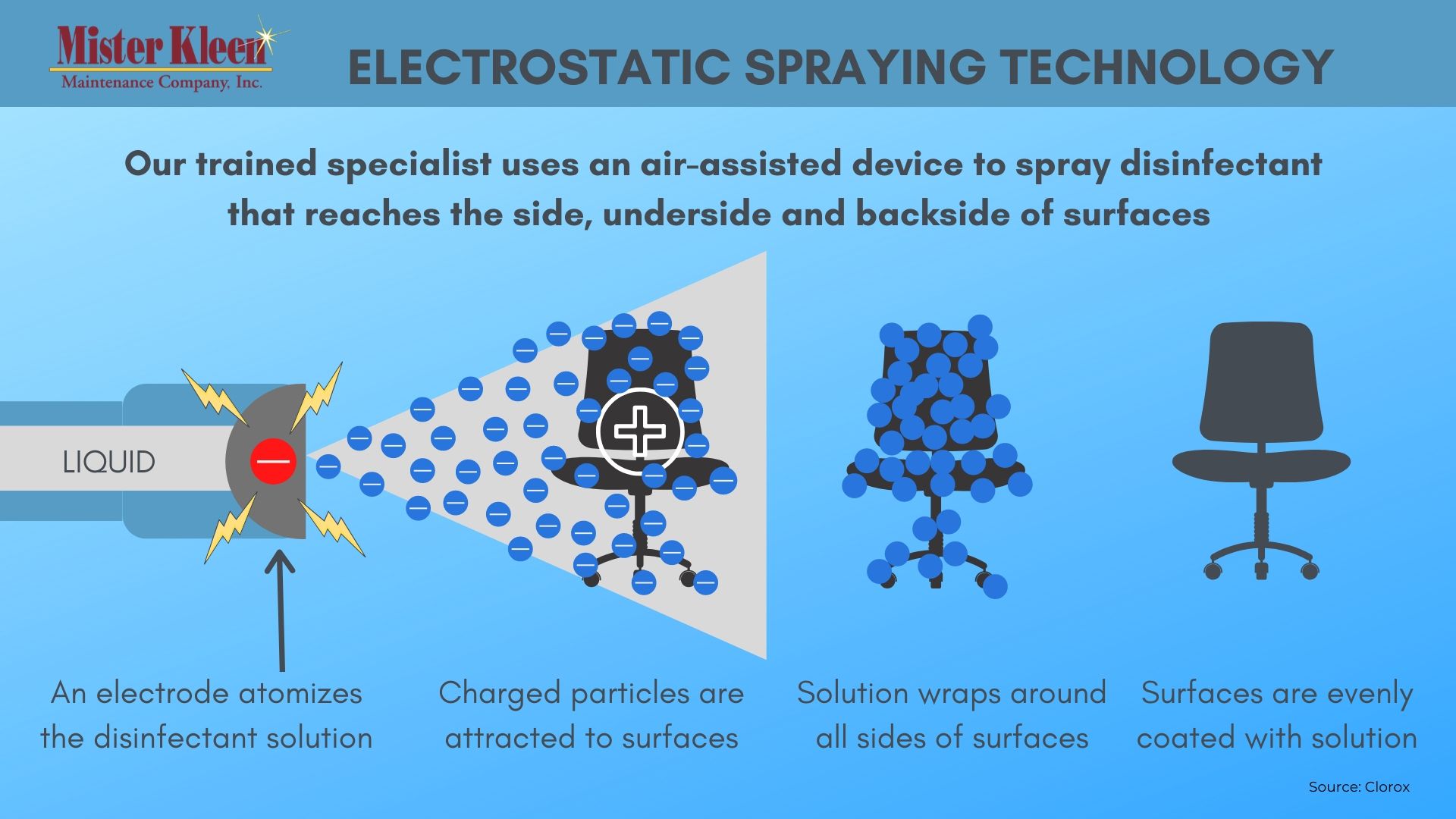
Electrostatic paint spraying operates on the fundamental principles of electrostatics. The paint particles are electrostatically charged, typically with a negative charge. As the charged paint particles are propelled towards the grounded workpiece, they are attracted to its surface due to the opposite electrical charge. This electrostatic attraction ensures a strong bond between the paint and the workpiece, resulting in superior adhesion and reduced overspray.
Types of Electrostatic Paint Spraying Systems
Electrostatic paint spraying systems are classified into two main types:
- Air-Assisted Electrostatic Spraying (AAES): In this system, compressed air is used to atomize the paint and create a fine spray. The charged paint particles are then carried by the air stream towards the workpiece.
- Airless Electrostatic Spraying (AES): This system employs a high-pressure pump to atomize the paint without the use of compressed air. The charged paint particles are propelled directly towards the workpiece, resulting in higher transfer efficiency and reduced overspray.
Advantages of Electrostatic Paint Spraying
Electrostatic paint spraying offers numerous advantages over conventional painting techniques:
- Enhanced Paint Adhesion: The electrostatic attraction between the charged paint particles and the workpiece ensures excellent adhesion, reducing the risk of peeling or flaking.
- Reduced Overspray: The electrostatic charge confines the paint particles to the workpiece, minimizing overspray and reducing paint waste.
- Improved Coating Efficiency: The high transfer efficiency of electrostatic paint spraying results in less paint consumption and a more uniform coating thickness.
- Environmental Benefits: Reduced overspray and lower paint consumption contribute to a cleaner and more environmentally friendly painting process.
Applications of Electrostatic Paint Spraying
Electrostatic paint spraying finds widespread applications in various industries, including:
- Automotive: Painting of vehicles, components, and accessories
- Industrial: Coating of machinery, equipment, and metal structures
- Furniture: Finishing of furniture, cabinets, and other wooden surfaces
- Aerospace: Painting of aircraft components and interiors
Choosing the Right Electrostatic Paint Spraying System
Selecting the appropriate electrostatic paint spraying system depends on several factors:
- Workpiece Size and Shape: Larger or complex workpieces may require air-assisted systems for better coverage.
- Paint Viscosity: High-viscosity paints may require airless systems for proper atomization.
- Desired Finish: Air-assisted systems provide a smoother finish, while airless systems offer a more textured finish.
- Environmental Regulations: Some areas may have regulations limiting the use of compressed air, making airless systems more suitable.
Conclusion
Electrostatic paint spraying is a highly effective and efficient painting technique that offers numerous advantages over conventional methods. Its ability to enhance paint adhesion, reduce overspray, and improve coating efficiency makes it an indispensable tool for professionals in various industries. By understanding the principles, types, and applications of electrostatic paint spraying, you can harness its full potential to achieve exceptional painting results.
Pricing Table
| System Type | Equipment Cost | Operating Cost |
|---|---|---|
| Air-Assisted Electrostatic Spraying | $5,000 – $20,000 | $1,000 – $5,000 per year |
| Airless Electrostatic Spraying | $10,000 – $30,000 | $500 – $2,000 per year |
Post a Comment for "Spray Specialist: Electrostatic Paint Spraying Specialist"