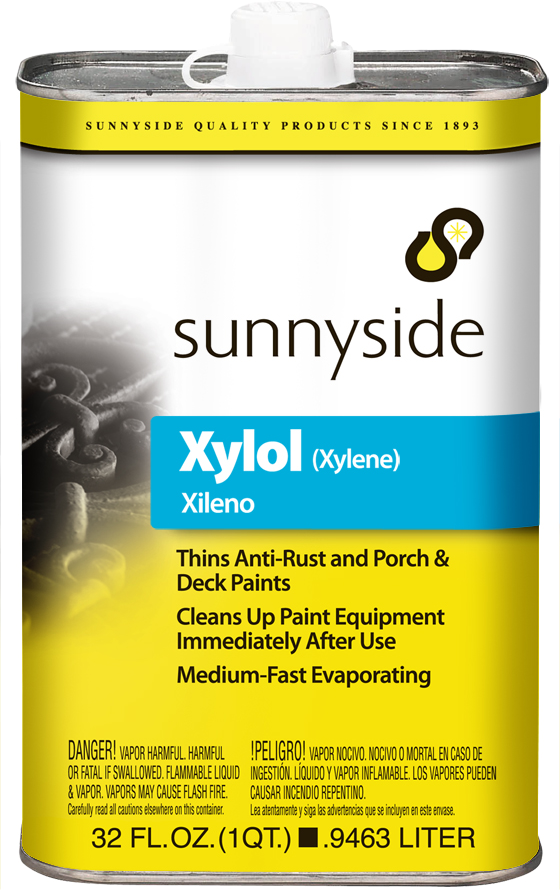
Effective Cleaning: The Role of Xylol Paint Thinner
Introduction
Xylol, also known as xylene, is a powerful solvent commonly used in the paint industry for thinning paints, cleaning brushes, and removing paint spills. Its exceptional cleaning abilities make it an indispensable tool for both professional painters and DIY enthusiasts. This comprehensive guide delves into the multifaceted role of xylol paint thinner in effective cleaning, exploring its properties, applications, and safety considerations.
Properties of Xylol Paint Thinner
Xylol is a colorless, flammable liquid with a distinctive aromatic odor. It is a mixture of three isomers: ortho-xylene, meta-xylene, and para-xylene. Xylol’s high solvency power stems from its nonpolar nature, which enables it to dissolve nonpolar substances such as oils, greases, and paints. Additionally, its low viscosity allows it to penetrate deep into surfaces, facilitating effective cleaning.
Applications of Xylol Paint Thinner
Thinning Paints: Xylol is primarily used to thin oil-based paints, making them easier to apply and spread evenly. It reduces the paint’s viscosity, allowing it to flow more smoothly and penetrate surfaces better.
Cleaning Brushes: Xylol is highly effective in cleaning paint brushes, removing dried paint and preventing bristles from clumping. It dissolves the paint residue, restoring the brush’s original condition and extending its lifespan.
Removing Paint Spills: Xylol’s ability to dissolve paint makes it ideal for removing fresh paint spills from surfaces such as floors, countertops, and clothing. It breaks down the paint, allowing it to be easily wiped away.
Other Applications: Xylol paint thinner also finds applications in various industries, including:
- Automotive: Cleaning carburetors, fuel injectors, and other engine components
- Electronics: Removing flux residue from printed circuit boards
- Textile: Degreasing fabrics and removing stains
- Woodworking: Cleaning wood surfaces before finishing
Safety Considerations
While xylol paint thinner is an effective cleaning agent, it is essential to handle it with caution due to its potential health hazards. Xylol is a volatile organic compound (VOC) that can release harmful vapors when exposed to air. These vapors can cause respiratory irritation, headaches, dizziness, and nausea.
Proper Ventilation: Always use xylol paint thinner in a well-ventilated area to minimize exposure to its vapors. Open windows and doors or use a fan to circulate fresh air.
Protective Gear: Wear appropriate protective gear, including gloves, eye protection, and a respirator, when working with xylol paint thinner. Avoid skin contact and inhalation of vapors.
Storage and Disposal: Store xylol paint thinner in a tightly sealed container in a cool, well-ventilated area. Dispose of used xylol paint thinner properly according to local regulations.
Alternative Cleaning Methods
In certain situations, alternative cleaning methods may be preferable to using xylol paint thinner. For example:
- Water-Based Paints: Use water to thin water-based paints and clean brushes.
- Mineral Spirits: Mineral spirits can be used as a less toxic alternative to xylol for thinning oil-based paints and cleaning brushes.
- Citrus-Based Cleaners: Citrus-based cleaners are biodegradable and less harmful to the environment than xylol. They can be used to remove paint spills and clean brushes.
Conclusion
Xylol paint thinner is a versatile and effective cleaning agent with a wide range of applications in the paint industry and beyond. Its exceptional solvency power makes it ideal for thinning paints, cleaning brushes, and removing paint spills. However, it is crucial to handle xylol paint thinner with caution and follow proper safety precautions to minimize health risks. By understanding its properties, applications, and safety considerations, you can harness the power of xylol paint thinner for effective cleaning while ensuring your safety and the environment’s well-being.
Post a Comment for "Effective Cleaning: The Role Of Xylol Paint Thinner"