Mastering the Stroke: Choosing the Right Oval Paint Brushes for Your Artwork
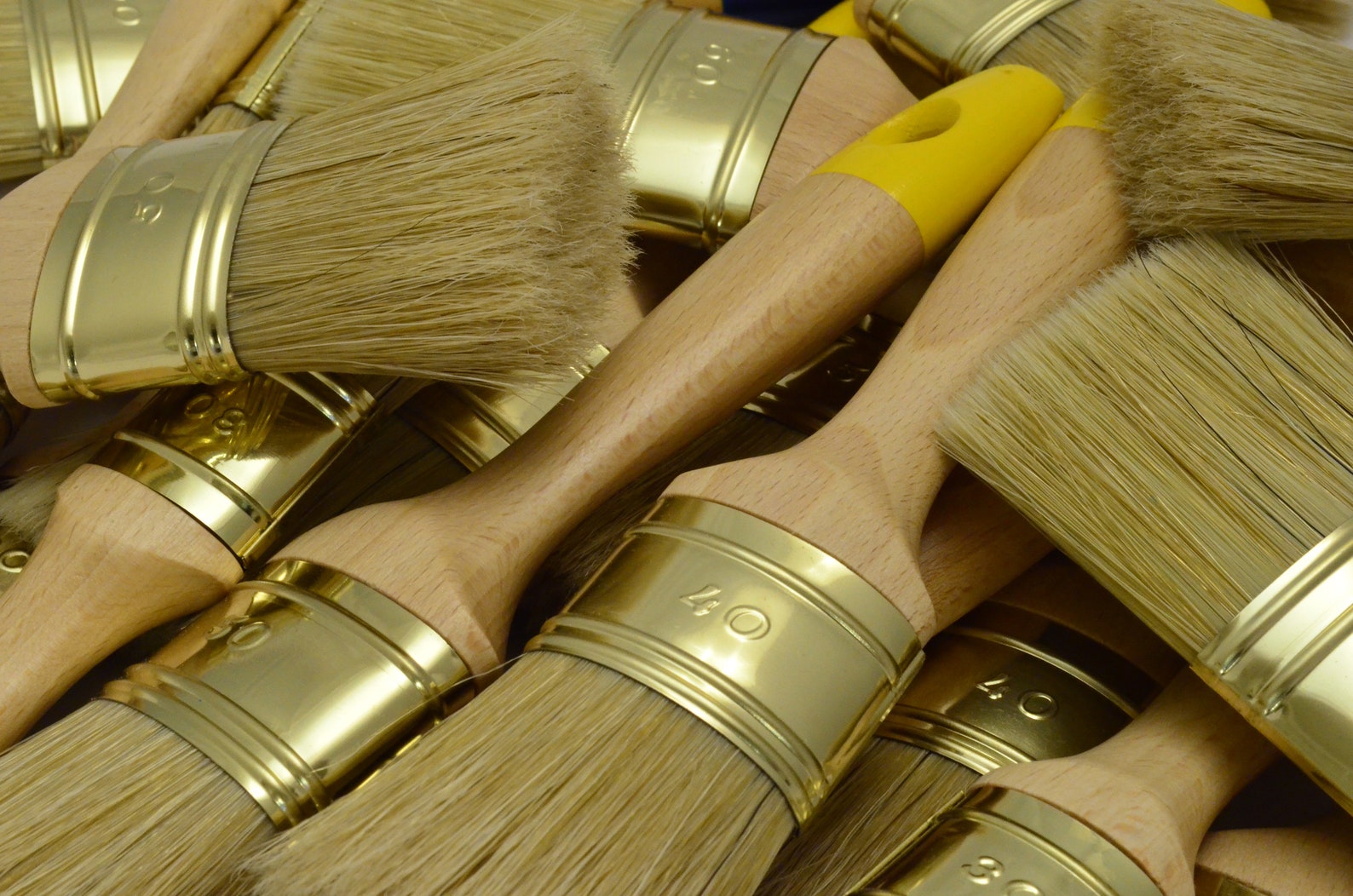
Oval paint brushes, with their unique shape and versatile application, are a staple in any artist’s toolkit. Their versatility allows them to handle a wide range of painting techniques, from delicate washes to bold strokes, making them a popular choice for both beginners and seasoned artists. But with so many options available, selecting the right oval brush can feel overwhelming. This comprehensive guide will equip you with the knowledge to navigate the world of oval paint brushes and choose the perfect tools to elevate your artwork.
Understanding the Anatomy of an Oval Brush
Oval brushes are characterized by their elliptical shape, with a wider, rounded end and a narrower, pointed tip. This unique design offers several advantages over traditional round brushes:
- Versatile Stroke Control: The oval shape allows for both broad, sweeping strokes and precise detail work. The wider end creates smooth washes and blends, while the pointed tip enables fine lines and intricate details.
- Enhanced Blendability: The gradual taper of an oval brush facilitates effortless blending of colors, creating smooth transitions and subtle gradations.
- Increased Paint Capacity: The larger surface area of the oval shape allows for holding more paint, reducing the need for frequent reloading.
Key Factors to Consider When Choosing Oval Brushes
1. Brush Size and Shape:
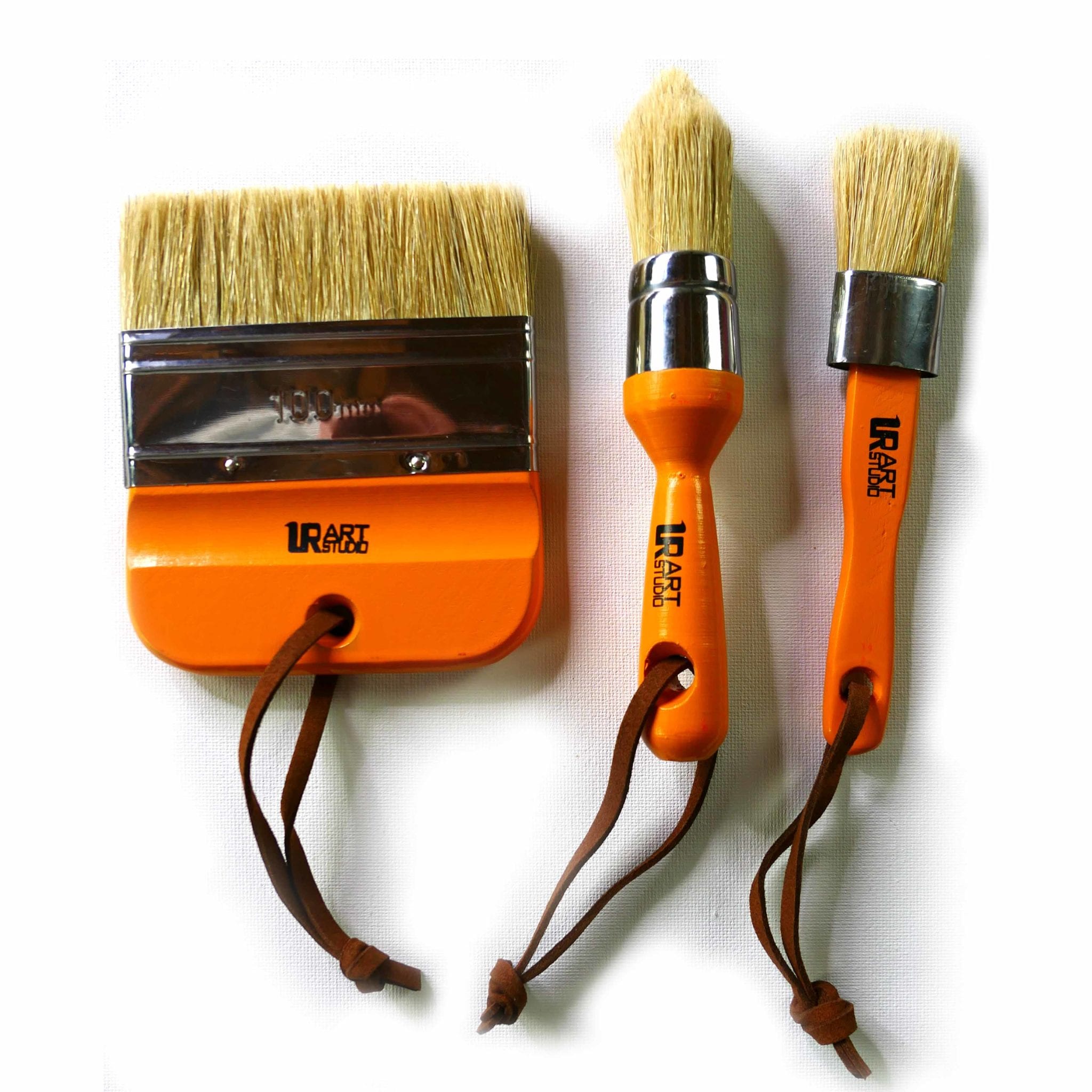
- Size: Oval brushes are typically categorized by their width, ranging from tiny sizes for intricate details to large brushes for covering expansive areas. The size you choose depends on the scale of your artwork and the desired effect.
- Shape: The shape of the oval brush also plays a significant role in its application. A more elongated oval is ideal for long, flowing strokes, while a more rounded oval is better suited for filling in larger areas.
2. Bristle Material:

- Natural Bristles: Brushes made from natural materials like sable, hog, or squirrel hair offer excellent spring and flexibility, making them ideal for delicate work and smooth washes. They hold a good amount of paint and provide a natural, fluid stroke.
- Synthetic Bristles: Synthetic bristles, often made from nylon or polyester, are durable, affordable, and come in a variety of textures. They are a great option for beginners and are well-suited for acrylic and oil paints.
- Blended Bristles: Some brushes combine natural and synthetic bristles, offering the best of both worlds. These brushes provide the responsiveness of natural bristles with the durability of synthetics.

3. Bristle Length and Density:
- Bristle Length: Longer bristles create softer strokes and are well-suited for blending and washes. Shorter bristles provide more control and precision, making them ideal for fine details and sharp lines.
- Bristle Density: A denser brush holds more paint and creates bolder strokes, while a less dense brush allows for lighter, more delicate strokes.
4. Ferrule and Handle:
- Ferrule: The metal band that holds the bristles together should be sturdy and well-constructed to prevent the bristles from shedding.
- Handle: Choose a handle that is comfortable to grip and provides good balance. A longer handle offers greater control, while a shorter handle is more suitable for intricate work.
5. Brush Care and Maintenance:
- Cleaning: Proper cleaning is crucial for maintaining the longevity of your brushes. Rinse brushes thoroughly with water and mild soap after each use, and avoid soaking them for extended periods.
- Storage: Store your brushes upright in a brush holder or wrap them in a soft cloth to prevent them from bending or losing their shape.
Essential Oval Brush Types for Your Toolkit
1. Flat Oval Brushes:
- Ideal for: Smooth washes, blending, and covering large areas.
- Key Features: Wide, flat shape with a rounded edge.
- Example: Winsor & Newton Series 7 Oval Wash Brush
2. Round Oval Brushes:
- Ideal for: Fine details, layering, and creating texture.
- Key Features: Rounded shape with a pointed tip.
- Example: Princeton Velvetouch Oval Brush
3. Fan Oval Brushes:
- Ideal for: Blending, creating soft edges, and applying washes.
- Key Features: Wide, fan-shaped head with a rounded edge.
- Example: Rosemary & Co. Fan Brush
4. Filbert Oval Brushes:
- Ideal for: Creating soft, flowing strokes, blending, and applying glazes.
- Key Features: Rounded, teardrop-shaped head with a pointed tip.
- Example: Silver Brush Black Velvet Filbert Brush
5. Angular Oval Brushes:
- Ideal for: Creating crisp edges, precise lines, and textured effects.
- Key Features: Angled shape with a pointed tip.
- Example: Escoda Versatil Angular Brush
6. Detail Oval Brushes:
- Ideal for: Fine lines, intricate details, and precise work.
- Key Features: Tiny, pointed shape with a delicate tip.
- Example: Da Vinci Cosmotop Spin Detail Brush
7. Liner Oval Brushes:
- Ideal for: Thin lines, lettering, and precise detail work.
- Key Features: Long, thin, pointed shape.
- Example: Princeton Velvetouch Liner Brush
8. Wash Oval Brushes:
- Ideal for: Applying large washes of color, creating soft transitions, and blending.
- Key Features: Wide, flat shape with a rounded edge and long, soft bristles.
- Example: Winsor & Newton Series 7 Oval Wash Brush
Mastering Oval Brush Techniques
- Loading the Brush: Dip the brush into the paint, ensuring the bristles are evenly coated. Wipe off any excess paint on the rim of the paint container.
- Applying Paint: Use a light touch when applying paint with an oval brush, allowing the shape of the brush to guide your stroke.
- Blending: To blend colors, use overlapping strokes, gradually transitioning from one color to the next.
- Creating Texture: Experiment with different brush angles and pressure to create various textural effects.
- Cleaning: Clean your brushes thoroughly after each use to prevent paint buildup and damage.
Conclusion
Choosing the right oval paint brushes is a crucial step in creating beautiful and expressive artwork. By understanding the anatomy of an oval brush and considering the factors discussed above, you can select the perfect tools to enhance your painting skills and achieve your artistic vision. Remember, practice is key to mastering the use of oval brushes and unleashing their full potential. With the right tools and techniques, you can transform your canvas into a masterpiece.
Mastering the Stroke: Choosing the Right Oval Paint Brushes for Your Artwork
Post a Comment for "Choosing The Right Oval Paint Brushes For Your Artwork"