Boot Stripe Paint: A Comprehensive Guide for Boating Enthusiasts
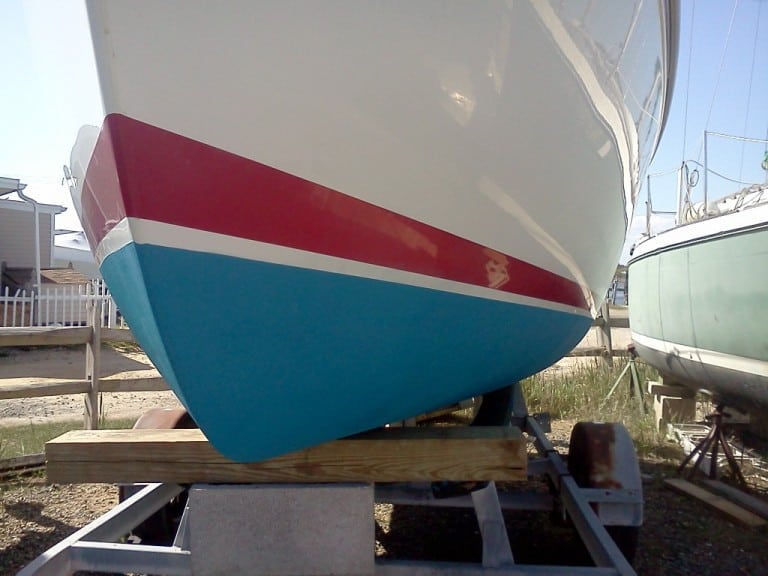
Table of Content
- 1 Boot Stripe Paint: A Comprehensive Guide for Boating Enthusiasts
- 1.1 Understanding Boot Stripe Paint
- 1.2 Preparing the Surface for Boot Stripe Paint
- 1.3 Applying Boot Stripe Paint
- 1.4 Techniques for Achieving Perfect Boot Stripes
- 1.5 Maintaining Boot Stripe Paint
- 1.6 FAQs about Boot Stripe Paint
- 1.7 Conclusion
Boot stripes, those iconic lines adorning the hull of a boat, are more than just aesthetics. They serve a practical purpose, providing a visual guide for the eye, enhancing the boat’s appearance, and even contributing to its performance. Choosing the right boot stripe paint and applying it flawlessly can be a daunting task, but with the right knowledge and techniques, it’s a project any boating enthusiast can tackle.
This comprehensive guide delves into the intricacies of boot stripe paint, covering everything from choosing the right paint to applying it like a pro. We’ll explore the different types of boot stripe paint, the tools and techniques for application, and the essential steps for achieving a professional finish.
Understanding Boot Stripe Paint
Boot stripe paint is a specialized type of marine paint designed to withstand the harsh conditions of the marine environment. It’s formulated to resist UV degradation, salt water corrosion, and the constant wear and tear of being submerged.
Types of Boot Stripe Paint:
- Two-Part Epoxy: This type offers exceptional durability and resistance to water, chemicals, and abrasion. It requires mixing two components, a resin and a hardener, before application.
- One-Part Polyurethane: A user-friendly option, one-part polyurethane paint is easy to apply and dries quickly. It provides excellent resistance to water and UV rays.
- Acrylic: This water-based paint is environmentally friendly and easy to clean up. While it offers good durability, it may not be as resistant to harsh conditions as epoxy or polyurethane.

Factors to Consider When Choosing Boot Stripe Paint:
- Boat Type: The type of boat and its intended use will influence the choice of paint. For high-performance boats, epoxy is often preferred, while acrylic may be suitable for recreational vessels.
- Color and Finish: Boot stripes come in a wide range of colors and finishes, from classic white to vibrant hues. Choose a color that complements the boat’s overall design and enhances its aesthetic appeal.
- Durability: Consider the boat’s exposure to sunlight, salt water, and abrasion. Epoxy and polyurethane paints offer superior durability, while acrylic paints are best suited for less demanding conditions.

Preparing the Surface for Boot Stripe Paint
Proper surface preparation is crucial for achieving a smooth, long-lasting finish. Follow these steps to ensure a successful application:
- Clean the Surface: Thoroughly clean the hull with a marine-grade cleaner and degreaser. Remove any dirt, grime, algae, or other contaminants.
- Sand the Surface: Sand the hull with progressively finer grit sandpaper to create a smooth, even surface. This will help the paint adhere properly.
- Prime the Surface: Apply a marine-grade primer to seal the surface and enhance paint adhesion. Use a primer compatible with the chosen boot stripe paint.
- Mask the Area: Use painter’s tape to mask off the area where you’ll be applying the boot stripe paint. Ensure the tape is applied evenly and securely to prevent paint bleeding.

Applying Boot Stripe Paint
Applying boot stripe paint requires precision and patience. Here’s a step-by-step guide:
- Mix the Paint: If using two-part epoxy, carefully mix the resin and hardener according to the manufacturer’s instructions.
- Apply the Paint: Use a high-quality paintbrush or roller to apply the paint in thin, even coats. Avoid overloading the brush or roller, as this can cause runs or drips.
- Allow the Paint to Dry: Let the paint dry completely according to the manufacturer’s instructions. Multiple thin coats are better than one thick coat.
- Remove the Tape: Once the paint is dry, carefully remove the painter’s tape. Do so at a slow, steady pace to prevent paint peeling.
Techniques for Achieving Perfect Boot Stripes
- Using a Tape Guide: Apply painter’s tape to the hull to create a straight line for the boot stripe. This technique is ideal for achieving precise lines, particularly on larger boats.
- Using a Ruler or Straight Edge: For smaller boats, a ruler or straight edge can be used to guide the paintbrush or roller.
- Using a Stencil: Stencils are available for creating custom boot stripe designs. They provide a precise guide for applying the paint.
- Using a Boot Stripe Kit: Many manufacturers offer boot stripe kits that include the paint, tools, and instructions for creating professional-looking stripes.
Maintaining Boot Stripe Paint
Proper maintenance is essential for preserving the beauty and longevity of boot stripe paint. Here are some tips:
- Regular Cleaning: Wash the hull regularly with a marine-grade cleaner and degreaser. Remove any dirt, grime, or salt deposits.
- Waxing: Apply a marine-grade wax to protect the paint from UV rays and other environmental factors.
- Repairing Scratches or Chips: Use a marine-grade touch-up paint to repair any scratches or chips in the boot stripe paint.
FAQs about Boot Stripe Paint
Q: How long does boot stripe paint last?
A: The lifespan of boot stripe paint depends on the type of paint used, the boat’s exposure to the elements, and the level of maintenance. With proper care, epoxy and polyurethane paints can last for several years.
Q: Can I apply boot stripe paint myself?
A: Yes, you can apply boot stripe paint yourself with the right tools, techniques, and patience. However, if you’re unsure about the process, it’s best to consult a professional.
Q: How do I remove old boot stripe paint?
A: Removing old boot stripe paint can be challenging, especially if it’s multiple layers of epoxy or polyurethane. It’s best to consult a professional for removal.
Q: Can I use regular paint for boot stripes?
A: It’s not recommended to use regular paint for boot stripes. Marine paint is specifically formulated to withstand the harsh conditions of the marine environment.
Q: What is the best time of year to apply boot stripe paint?
A: The best time to apply boot stripe paint is during warm, dry weather when the temperature is above 60 degrees Fahrenheit. Avoid applying paint in direct sunlight or when it’s humid.
Conclusion
Boot stripe paint is an essential element of boat aesthetics and performance. By understanding the different types of paint, preparing the surface properly, and applying it with precision, you can achieve a professional finish that will enhance your boat’s appearance and protect its hull.
Remember, patience and attention to detail are key to success. If you’re unsure about any aspect of the process, consult a professional for guidance. With the right knowledge and techniques, you can transform your boat’s look and enjoy the benefits of a well-maintained hull for years to come.

Boot Stripe Paint: A Comprehensive Guide for Boating Enthusiasts
Post a Comment for "Boot Stripe Paint: A Guide For Boating Enthusiasts"