Touch-Up Tips: Ford Antimatter Blue Paint Guide

Table of Content
- 1 Touch-Up Tips: Ford Antimatter Blue Paint Guide
- 2 Our Form: Touch-Up Tips: Ford Antimatter Blue Paint Guide
- 2.1 Introduction
- 2.2 Understanding Antimatter Blue
- 2.3 Choosing the Right Touch-Up Paint
- 2.4 Preparing for the Touch-Up
- 2.5 Applying the Touch-Up Paint
- 2.6 Blending and Finishing
- 2.7 Troubleshooting Common Touch-Up Issues
- 2.8 Professional Touch-Up Services
- 2.9 Maintenance Tips for Antimatter Blue Paint
- 2.10 Conclusion
- 2.11 Detailed Breakdown of Touch-Up Paint Options
- 2.12 Choosing the Right Touch-Up Tool
- 2.13 Visual Guide to Touch-Up Paint Application
- 2.14 Conclusion
Introduction
Ford’s Antimatter Blue paint is a stunning, deep blue that adds a touch of sophistication and boldness to any vehicle. However, like any paint, it can get scratched, chipped, or faded over time. That’s where touch-up paint comes in. This comprehensive guide will walk you through the process of effectively touching up your Antimatter Blue Ford, ensuring a flawless finish that blends seamlessly with the original paint.
Understanding Antimatter Blue
Antimatter Blue is a complex color with multiple layers, making it crucial to choose the right touch-up paint. It’s not simply a one-shade-fits-all solution. Ford utilizes a specific paint code for Antimatter Blue, which you can find on your vehicle’s identification sticker, located on the driver’s side door jamb or inside the glove compartment. This code is essential for selecting the correct touch-up paint.
Choosing the Right Touch-Up Paint
- OEM vs. Aftermarket: While aftermarket touch-up paints might be cheaper, opting for genuine Ford paint ensures color accuracy and a more durable finish.
- Paint Code: Always use the paint code provided by Ford, ensuring the touch-up paint perfectly matches your vehicle’s original color.
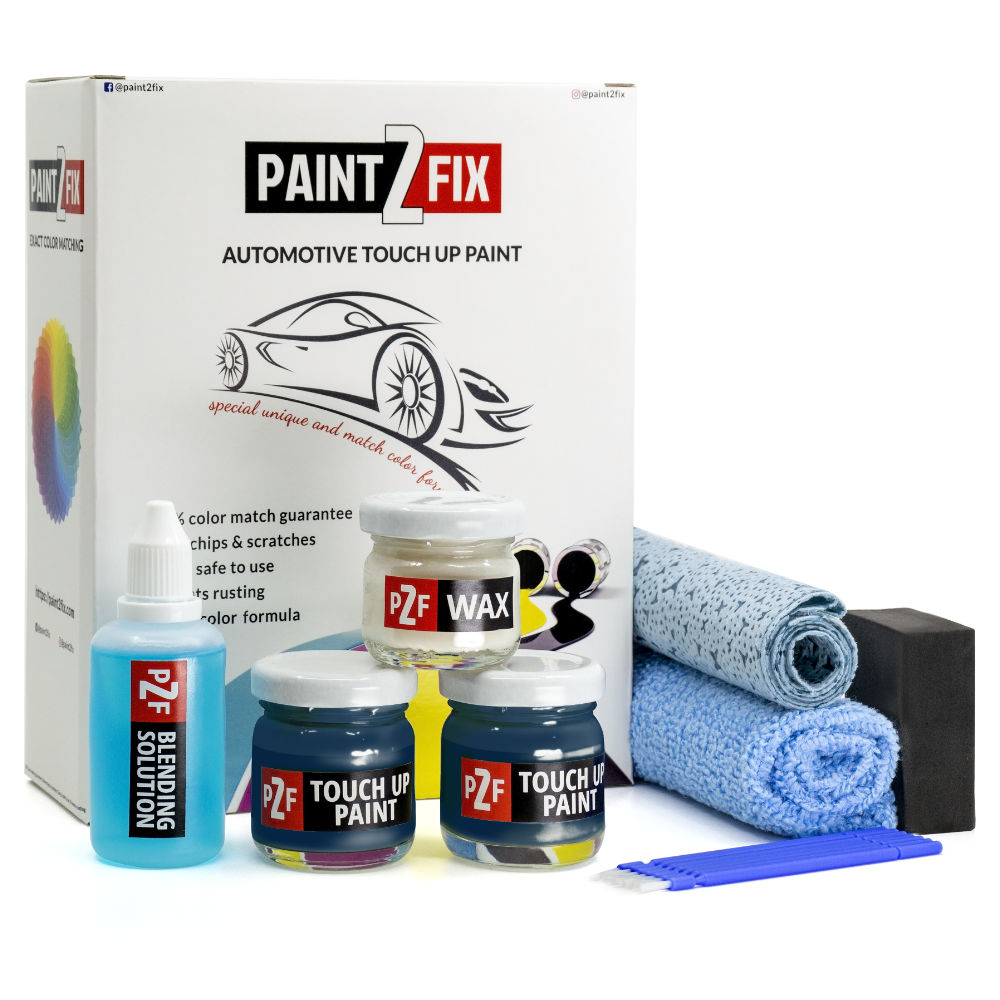
- Touch-Up Pen vs. Bottle: Touch-up pens are convenient for small scratches and chips, while bottles provide more paint for larger areas.
Preparing for the Touch-Up
- Clean the Area: Thoroughly clean the affected area with soap and water, removing dirt, debris, and any existing wax or sealant. Allow the area to dry completely.
- Sanding (Optional): For deeper scratches or chips, use fine-grit sandpaper (600-800 grit) to feather the edges of the damage, creating a smooth transition for the touch-up paint.
- Masking: Use painter’s tape to protect the surrounding area from accidental paint overspray.
Applying the Touch-Up Paint
- Pen Application: For small scratches and chips, apply the touch-up paint directly from the pen, following the instructions provided. Let the paint dry completely before applying another layer.
- Bottle Application: For larger areas, use a small brush or toothpick to apply the touch-up paint. Apply thin coats, allowing each layer to dry completely before applying the next. Avoid overloading the brush, as this can lead to uneven application and paint drips.
Blending and Finishing
- Blending: Once the touch-up paint is dry, use a clean, dry cloth to lightly blend the edges of the repaired area into the surrounding paint. This helps to create a seamless transition and minimize the appearance of the touch-up.
- Clear Coat (Optional): For added protection and a more durable finish, apply a clear coat over the touch-up paint. This will help to prevent fading and chipping.
- Waxing: After the clear coat has dried, apply a high-quality car wax to the entire vehicle, including the repaired area. This will help to protect the paint and enhance its shine.
Troubleshooting Common Touch-Up Issues
- Uneven Application: This can happen if you apply too much paint at once. Thin coats are key.
- Color Mismatch: Ensure you’re using the correct paint code and that the touch-up paint is from a reputable source.
- Cracking or Peeling: This could be due to improper preparation or using the wrong type of paint.
Professional Touch-Up Services
For more extensive damage or if you’re unsure about the process, consider seeking professional assistance from a reputable body shop or paint specialist. They have the expertise and equipment to ensure a flawless finish.
Maintenance Tips for Antimatter Blue Paint
- Regular Washing: Wash your Ford regularly to remove dirt, grime, and harmful contaminants that can damage the paint.
- Waxing: Applying a layer of wax every few months helps to protect the paint from UV rays, scratches, and other environmental factors.
- Parking: Park your vehicle in a shaded area whenever possible to minimize sun exposure and prevent fading.
Conclusion
With the right tools, techniques, and a little patience, you can effectively touch up your Antimatter Blue Ford, restoring its pristine appearance and preserving its value. Remember, using genuine Ford touch-up paint and following the steps outlined above will ensure the best possible results. By taking care of your vehicle’s paint, you can keep your Antimatter Blue Ford looking its best for years to come.
Our Form: Touch-Up Tips: Ford Antimatter Blue Paint Guide
Introduction
Ford’s Antimatter Blue paint is a stunning, deep blue that exudes sophistication and boldness, making it a popular choice for Ford owners. However, over time, even the most meticulously cared for paint can suffer from scratches, chips, or fading. While these imperfections might seem minor, they can detract from the overall aesthetic appeal of your vehicle. This comprehensive guide will equip you with the knowledge and techniques to effectively touch up your Antimatter Blue Ford, restoring its pristine appearance and preserving its value.
Understanding Antimatter Blue
Antimatter Blue is a multi-layered paint, requiring a specific approach to achieve a seamless touch-up. Unlike simple single-shade paints, Antimatter Blue demands careful attention to detail to ensure the touch-up blends perfectly with the original paint. Ford employs a unique paint code for Antimatter Blue, which is crucial for selecting the correct touch-up paint. This code can be found on your vehicle’s identification sticker, usually located on the driver’s side door jamb or inside the glove compartment.
Choosing the Right Touch-Up Paint
- OEM vs. Aftermarket: While aftermarket touch-up paints might offer a more budget-friendly option, opting for genuine Ford paint ensures color accuracy and a more durable finish. The color consistency of OEM paint is specifically formulated to match the original factory paint, minimizing the risk of color discrepancies.
- Paint Code: Always use the paint code provided by Ford when selecting your touch-up paint. This guarantees that the color of your touch-up paint perfectly matches the original paint of your vehicle.
- Touch-Up Pen vs. Bottle: Touch-up pens are ideal for small scratches and chips, providing a convenient and precise application. For larger areas, a bottle of touch-up paint offers more paint volume, allowing for a more substantial application.
Preparing for the Touch-Up
- Thorough Cleaning: The first step is to thoroughly clean the affected area. Use a mild soap and water solution to remove dirt, debris, and any existing wax or sealant. Allow the area to dry completely before proceeding to the next step.
- Sanding (Optional): For deeper scratches or chips, sanding can be beneficial to create a smooth transition for the touch-up paint. Use fine-grit sandpaper (600-800 grit) to feather the edges of the damage, gradually blending the scratch or chip into the surrounding paint.
- Masking: Use painter’s tape to protect the surrounding area from accidental paint overspray. This ensures that the touch-up process is confined to the intended area, preventing unwanted paint on adjacent surfaces.
Applying the Touch-Up Paint
- Pen Application: For small scratches and chips, apply the touch-up paint directly from the pen. Follow the instructions provided by the manufacturer for optimal results. Apply thin coats, allowing each layer to dry completely before applying another layer. This prevents the paint from becoming too thick and uneven.
- Bottle Application: For larger areas, use a small brush or toothpick to apply the touch-up paint. As with pen application, apply thin coats, allowing each layer to dry completely before applying the next. Avoid overloading the brush, as this can lead to uneven application and paint drips.
Blending and Finishing
- Blending: Once the touch-up paint is dry, use a clean, dry cloth to lightly blend the edges of the repaired area into the surrounding paint. This helps to create a seamless transition and minimize the appearance of the touch-up.
- Clear Coat (Optional): Applying a clear coat over the touch-up paint offers added protection and enhances the durability of the finish. This can help to prevent fading and chipping, ensuring the touch-up lasts longer.
- Waxing: After the clear coat has dried, apply a high-quality car wax to the entire vehicle, including the repaired area. This helps to protect the paint and enhances its shine, restoring the overall aesthetic appeal of your Ford.
Troubleshooting Common Touch-Up Issues
- Uneven Application: This can occur if too much paint is applied at once. The key is to apply thin coats, allowing each layer to dry completely before applying the next.
- Color Mismatch: Ensure you are using the correct paint code and that the touch-up paint is from a reputable source. Using the wrong paint code or purchasing from an unreliable source can result in a color mismatch.
- Cracking or Peeling: This could be due to improper preparation or using the wrong type of paint. Ensure the area is properly cleaned and sanded (if necessary) before applying the touch-up paint.
Professional Touch-Up Services
For more extensive damage or if you are unsure about the process, consider seeking professional assistance from a reputable body shop or paint specialist. They possess the expertise and equipment to ensure a flawless finish, restoring your Ford to its original condition.
Maintenance Tips for Antimatter Blue Paint
- Regular Washing: Washing your Ford regularly removes dirt, grime, and harmful contaminants that can damage the paint.
- Waxing: Applying a layer of wax every few months helps to protect the paint from UV rays, scratches, and other environmental factors.
- Parking: Park your vehicle in a shaded area whenever possible to minimize sun exposure and prevent fading.
Conclusion
With the right tools, techniques, and a little patience, you can effectively touch up your Antimatter Blue Ford, restoring its pristine appearance and preserving its value. Remember, using genuine Ford touch-up paint and following the steps outlined above will ensure the best possible results. By taking care of your vehicle’s paint, you can keep your Antimatter Blue Ford looking its best for years to come.
Detailed Breakdown of Touch-Up Paint Options
1. OEM Touch-Up Paint:
- Source: Ford Dealerships or authorized Ford parts suppliers.
- Advantages:
- Color Accuracy: OEM paint is specifically formulated to match the original factory paint, ensuring a seamless blend with the existing paint.
- Durability: OEM paint is designed to withstand the same conditions as the original paint, offering long-lasting protection.
- Warranty: OEM paint may be covered by a warranty, providing peace of mind.
- Disadvantages:
- Cost: OEM paint can be more expensive than aftermarket options.
- Availability: Finding the exact paint code for your vehicle might require contacting a Ford dealership.
2. Aftermarket Touch-Up Paint:
- Source: Auto parts stores, online retailers, and paint suppliers.
- Advantages:
- Cost: Aftermarket touch-up paint is generally more affordable than OEM paint.
- Availability: A wider range of paint colors and formulations are available from aftermarket suppliers.
- Disadvantages:
- Color Accuracy: Aftermarket paint might not perfectly match the original factory paint, resulting in a noticeable difference.
- Durability: Aftermarket paint may not be as durable as OEM paint, potentially leading to fading or chipping sooner.
- Warranty: Aftermarket paint typically does not come with a warranty.
3. Touch-Up Pen:
- Advantages:
- Convenience: Touch-up pens are easy to use, offering a precise application for small scratches and chips.
- Portability: Touch-up pens are compact and easy to store, making them convenient for on-the-go repairs.
- Disadvantages:
- Limited Paint Volume: Touch-up pens contain a small amount of paint, making them unsuitable for larger areas.
- Drying Time: Touch-up pen paint can take longer to dry than paint from a bottle.
4. Touch-Up Bottle:
- Advantages:
- Paint Volume: Touch-up bottles provide a larger volume of paint, making them suitable for larger areas.
- Flexibility: Touch-up bottles allow for more precise application using a small brush or toothpick.
- Disadvantages:
- Storage: Touch-up bottles can be bulkier than touch-up pens, making storage more challenging.
- Potential for Mess: Applying paint from a bottle requires more care to avoid spills and drips.
Choosing the Right Touch-Up Tool
| Damage Type | Recommended Tool | Explanation |
|---|---|---|
| Small Scratches and Chips | Touch-Up Pen | Touch-up pens offer a convenient and precise application for small imperfections, minimizing the risk of over-application. |
| Larger Scratches and Chips | Touch-Up Bottle | Touch-up bottles provide a larger volume of paint, making them suitable for larger areas, ensuring sufficient paint coverage. |
| Deep Scratches or Chips | Touch-Up Bottle and Brush | Using a brush allows for a more controlled application, ensuring that the paint is evenly distributed in deeper scratches or chips. |
Visual Guide to Touch-Up Paint Application
Diagram 1: Pen Application
[Image of a touch-up pen being used to apply paint to a small scratch]Diagram 2: Bottle Application
[Image of a touch-up bottle being used to apply paint to a larger chip using a small brush]Diagram 3: Blending the Touch-Up Paint
[Image of a clean, dry cloth being used to blend the edges of the touch-up paint into the surrounding paint]Conclusion
This comprehensive guide provides a detailed roadmap for effectively touching up your Antimatter Blue Ford, ensuring a flawless finish and preserving its value. By understanding the nuances of Antimatter Blue paint, choosing the right touch-up tools, and following the steps outlined above, you can achieve professional-looking results. Remember, taking care of your vehicle’s paint is an investment that will pay off in the long run, keeping your Antimatter Blue Ford looking its best for years to come.

Touch-Up Tips: Ford Antimatter Blue Paint Guide
Post a Comment for "Touch-Up Tips: Ford Antimatter Blue Paint Guide"